
From the Edmund Pettus Bridge to Bayshore Mall: What We Owe Our Young People

Apr 3, 2026, 6:21 AM CT


Share
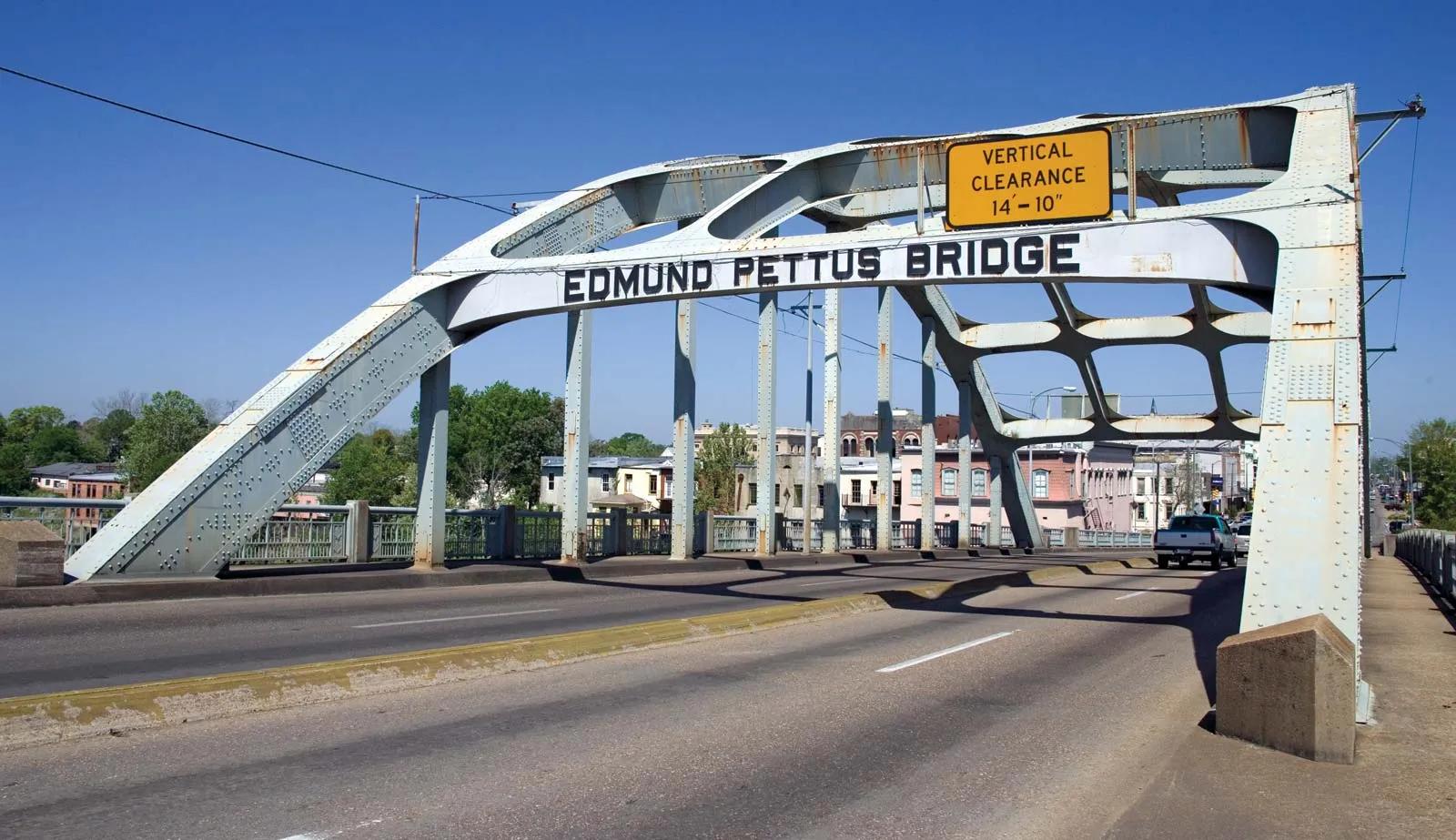
While social media timelines erupted with outrage over so-called “teen takeovers” at malls across the country — Milwaukee’s Bayshore included — I was standing on the Edmund Pettus Bridge in Selma, Alabama, watching a group of Black teenagers take in the weight of history beneath their feet.
The contrast was not lost on me.
On one side of the national conversation, you have adults — many of them white suburbanites typing furiously from the comfort of their homes — expressing open contempt for Black teenagers who dare to exist in spaces they’ve decided these young people don’t belong. On the other side, you have a generation of young people hungry for direction, hungry for connection, and hungry for someone to invest in them as if their lives actually matter.
I chose to invest. And what I witnessed on this HBCU College Tour — from the hallowed grounds of Historically Black Colleges and Universities to the National Voting Rights Museum in Selma — reminded me of everything that is right about our young people, and everything that is wrong about how we treat them.
Let me be direct about what happened at Bayshore Mall: according to reports from people who were actually there, there was no property damage. There were teenagers — mostly Black teenagers — eating with friends, shopping, and waiting on rides. That’s it. Were there a few skirmishes among some kids, yes. But overall, a large gathering of teenagers at the mall is the crisis that sent people into a frenzy. When I think back to my own high school years, back in the late 90s and early 2000s, the mall was the place to be. We went to see and be seen. We watched movies, we shopped, we lingered in the food court. Nobody called it a takeover. Nobody called the police.
Here is the truth that too many people in power refuse to say out loud: Black youth are not genuinely valued in this city or this country. They are valued in terms of grant dollars — dollars that far too often travel upward into the budgets of programs and agencies that speak the language of youth development but flinch at the actual work of engaging young people in a trauma-informed, relationship-centered way. The organizations and individuals doing real, direct service — planning trips, building trust, showing up — receive a sliver of the fiscal pie. And when things boil over? Those same under-resourced folks are expected to respond while the well-funded organizations issue press releases.
We cannot keep doing this.
When I walked through the National Voting Rights Museum in Selma, what struck me most was not just the brutality of the past — it was the deliberateness of the policy. For generations, policy has been used as a precision instrument of control. It was used to deter Black Americans from voting. It was used in Milwaukee in the early 2000s to push Black teenagers out of “traffic” — off the corners, away from the public spaces that every young person has a right to occupy. It was used during Reconstruction to prevent Black people from gathering at all.
The names change. The zip codes change. The legislation evolves. But the pattern? The pattern remains.
And that pattern was not abstract to the teenagers standing with me on the Edmund Pettus Bridge. They felt it in their bodies. They understood, perhaps for the first time with full clarity, that the forces working against their freedom and their dignity did not begin with them — and that the resistance to those forces didn’t either.
That is what an HBCU tour does. That is what intentional investment in Black youth looks like.
So, before we spend another news cycle debating whether teenagers deserve to be at the mall, let’s ask harder questions. Who controls the dollars allocated for youth programming — and are those dollars actually reaching young people? Are we creating policy for youth or against them? And are we willing to be honest about the racial architecture underneath all of it?
Black young people are not a problem to be managed. They are a generation to be invested in — fully, honestly, and without apology.
It’s time to put our money where our mouths are. The bridge has already been crossed. The question is whether we’re willing to walk across it with them.
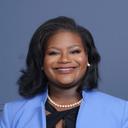
Dr. LaKeshia Nicole Myers is an accomplished education leader, public servant, and advocate for educational excellence with more than 17 years of experience across K–12, higher education, and public policy. A former member of the Wisconsin State Assembly (2019–2024), she championed education initiatives while serving on key legislative committees and previously worked in federal policy with the U.S. House of Representatives. Dr. Myers currently serves as an Adjunct Professor of History at Lakeland University and Managing Partner of EduStar Consulting, bringing deep expertise in instructional leadership, special education, and equity-focused educational reform.
Want More Local News?

Civic Media
Civic Media Inc.
The Civic Media App
Put us in your pocket.