

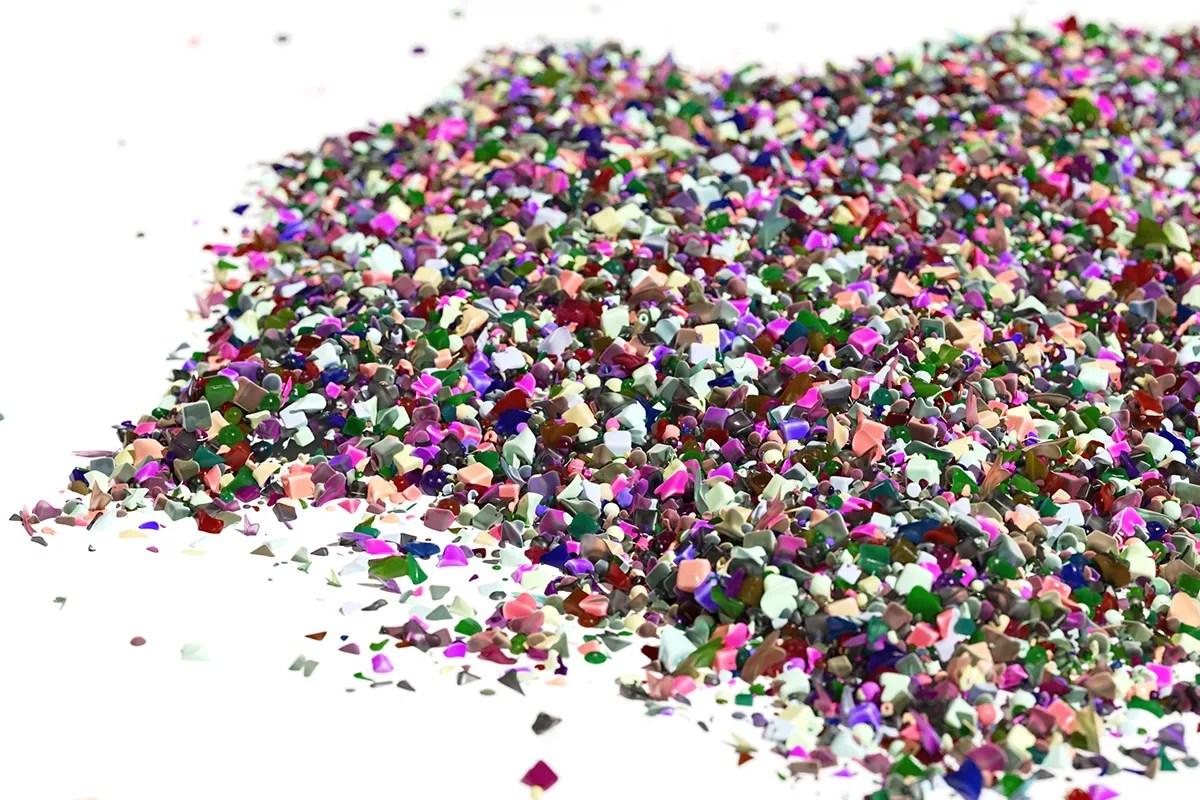


- The Trump administration announced a plan to prioritize microplastics and pharmaceuticals in drinking water
- Environmentalists called for more aggressive action, including monitoring and regulations on the pollutants
- More than 22 million pounds of plastic waste enter the Great Lakes each year; pharmaceuticals taint drinking water for millions
The Trump administration on Thursday said it will add microplastics and pharmaceuticals to a list of drinking water pollutants that may be regulated in the future, prompting a mix of kudos and calls for more aggressive action in Michigan and beyond.
The announcement stops short of requiring monitoring of the chemicals’ presence in water systems — something Gov. Gretchen Whitmer and a host of environmental groups have urged.
But in a statement Thursday, Environmental Protection Agency Administrator Lee Zeldin said listing the pollutants as priority contaminants under the Safe Drinking Water Act will prioritize them for funding, research and potentially future regulation.
“EPA is sending a clear message,” Zeldin said. “We will follow the science, we will pursue answers, and we will hold ourselves to the highest standards to protect the health of every American family.”
Like other pollutants on the national contaminant candidate list, from PFAS and cyanotoxins to 1,4-dioxane, microplastics and pharmaceuticals are present in much of the nation’s drinking water, but are not regulated or widely monitored.
Some environmental advocates said the listing doesn’t go far enough.
They want the EPA to heed calls from Whitmer and other political leaders and environmental groups to step up drinking water monitoring. Others have questioned whether EPA will ever place limits on the pollutants, given its recent push to roll back environmental regulations including drinking water limits on PFAS “forever chemicals.”
“We really should be taking action to protect people’s health,” Sen. Jeff Irwin, D-Ann Arbor, who frequently sponsors legislation related to plastic pollution. “But we expect so little from the Trump administration, even their acknowledgement that we’re going to look at this and collect data is probably a good thing.”
Whitmer in December joined six other Democratic governors to petition the EPA for a monitoring requirement, arguing it would “lead to meaningful methods of reducing the risk to the public’s health.”
The Trump administration is due to publish an updated list of contaminants that require monitoring – known as the Sixth Unregulated Contaminant Monitoring Rule (UCMR 6) – by the end of 2026.
Pollution affects millions in the Great Lakes
Microplastics are tiny plastic fragments of 5 millimeters or less (about the width of a pencil eraser), which are so ubiquitous in the environment that they have turned up in human breast milk, blood and brain tissue.
They come from litter that breaks down in the environment, fleece clothing that sheds fibers with every wash, car tires that grind away on road surfaces and many other sources.
In the Great Lakes, a drinking water source for 40 million people in the US and Canada, about 22 million pounds of plastic waste enters the water each year.
While research on humans is limited, animal studies have linked microplastics exposure to learning and memory issues, reproductive problems and a host of other concerns.
Pharmaceuticals, meanwhile, range from anti-anxiety drugs to antibiotics and pain relievers that enter water supplies through human waste, improper drug disposal and intensive livestock operations that routinely dose animals with antibiotics and other drugs.
Pharmaceuticals have shown up at sampling sites across the Great Lakes and in the drinking water of tens of millions of US residents. In the environment, they can harm aquatic life and give rise to antibiotic-resistant bacteria. Human health impacts from low-level drinking water pollution are not well understood.
“We’re consuming this stuff, and we really don’t know what the risk is,” said Art Hirsch, co-founder of the Michigan Microplastics Coalition.
Hirsch said vigilance about its presence in drinking water is not enough. To effectively curb microplastics pollution, he said, governments need to start regulating the plastic supply chain.
“We’re never going to get rid of plastics,” Hirsch said. “They’re too fundamental. The problem is, we make too much.”
Regulatory efforts struggle for traction
Plastic use has been skyrocketing for decades, with the US leading the world in per-capita consumption. Global plastic waste is expected to triple by 2060, according to the Organisation for Economic Co-operation and Development.
Efforts to curb plastic pollution, both in Michigan and nationally, have struggled to gain traction — something Irwin blamed on the influence of “big industry and big polluters.”
Active bills in the Michigan Legislature to phase out microbeads, require drinking water providers to monitor for microplastics and create a statewide microplastics plan are awaiting votes in the state Senate.
Past efforts to let local governments ban plastic bags, expand recycling programs and ban cosmetics and over-the-counter drugs containing plastic microbeads have all stalled.
At the federal level, Congress passed 2015 legislation phasing out personal care products containing plastic microbeads and directed EPA in 2020 to develop a national strategy on plastic pollution. Several other efforts to rein in plastic use have stalled, while President Trump last year reversed a Biden-era effort to phase out federal use of single-use plastics.
The proposal to designate microplastics and pharmaceuticals as priority contaminants is open for public comments through June 1.