


Feb 13, 2026, 5:00 AM CT


Share
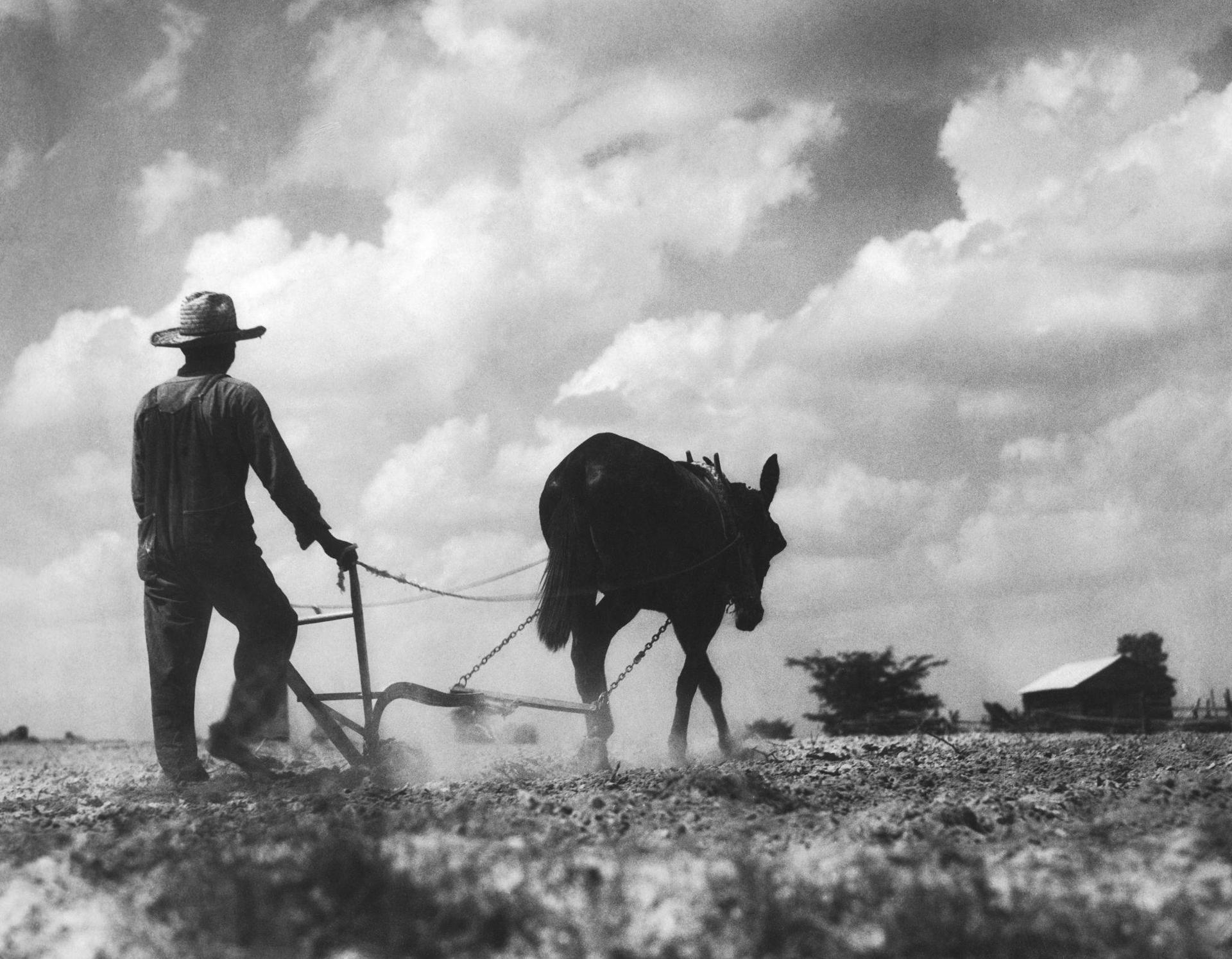
“The black woman is the mule uh de world so fur as Ah can see.” These words, penned by Zora Neale Hurston in her 1937 masterwork Their Eyes Were Watching God, cut through nearly a century of American progress with surgical precision. Hurston’s character Nanny spoke this truth to her granddaughter Janie, explaining the peculiar burden of Black womanhood—carrying the weight of everyone’s expectations, dreams, and labor while receiving the least regard, the smallest portion of dignity.
Nearly ninety years later, that mule is still pulling the plow. But now she holds advanced degrees while doing it.
The data tells a story that would make Nanny weep and Hurston reach for her pen. According to recent research, Black women are the most educated demographic in America, outpacing all other groups in college enrollment and degree attainment. We show up. We do the work. We earn the credentials. And then we watch corner offices fill with people who look nothing like us.
A 2024 study revealed that Black women hold a mere 1.4% of executive leadership positions in Fortune 500 companies, despite comprising 7% of the U.S. population. Even more telling, when disaggregating for educational attainment and years of experience, Black women are consistently passed over for promotions in favor of less qualified counterparts. We are, as the saying goes, twice as good to get half as far.
For instance, last week, Mayor Cavalier Johnson announced Karin Tyler as his choice for Director of the Office of Community Wellness. This selection comes after Tyler, a Black woman, was not selected as director during the original application period five months ago. Instead of choosing Tyler when he originally had the opportunity, the mayor decided to abandon the established hiring process and chose Adam Procell, a white male, who had not applied for the position. Procell’s resume had not been vetted by the community, and his resume was shoddy and entry-level at best, compared to all other applicants. Equally as jarring, is the understanding that Procell carries the baggage of a murder conviction and has only been released for eight years.
Karin Tyler was made the Deputy Director of the Office of Community Wellness—which in my opinion was a major slap in the face. A woman with nearly twenty years’ experience working in city government, the majority of which has been with the Office of Violence Prevention/Community Wellness, playing second fiddle to a person with the resume of a recent college graduate, at best. It is ridiculous and speaks volumes.
This is the modern incarnation of Hurston’s mule. The burden has shifted from fields to boardrooms, from physical labor to the invisible work of code-switching, of being the “only one” in the room, of mentoring everyone else’s children and coworkers while our own expertise goes unrecognized. We carry institutions on our backs—our labor, our innovation, our cultural and political capital—while being systematically denied access to the decision-making tables we’ve set.
The irony is bitter. Black women pioneered remote work strategies during the pandemic, led diversity initiatives that companies now tout in their marketing materials, and maintained organizational continuity when systems threatened to collapse. Yet when it came time to fill those C-suite vacancies, the usual suspects received the call.
What Hurston understood, and what data now confirms, is that the exploitation of Black women is foundational, not incidental. It’s not a bug in the system—it’s a feature. The mule works because she must. The mule persists because she knows no other option. And those who benefit from the mule’s labor have little incentive to acknowledge her humanity, let alone compensate her fairly or elevate her accordingly.
But here’s what they always forget about mules: they’re strong, they’re stubborn, and they refuse to be broken.
Black women continue to build our own tables when we’re excluded from theirs. We launch businesses at rates higher than any other demographic. We mentor each other, invest in each other, and create networks of mutual support that don’t wait for permission from gatekeepers who’ve proven they don’t see our worth.
Milwaukee knows this story intimately. Our Black women educators, healthcare workers, entrepreneurs, and community leaders have been the backbone of progress in this city for generations. Yet how many sit in the executive suites of our major corporations? How many shape policies in our boardrooms? How many receive compensation commensurate with their contributions? Hell, how many have ever become common council president or mayor?
The answers should disturb us all.
Hurston gave us the language to name what we experience. The data gives us the evidence to demand change. What remains is the will—institutional, collective, personal—to finally unburden the mule and recognize her not as a beast of burden, but as the brilliant, capable leader she’s always been.
Until then, we keep pulling. But we also keep rising.
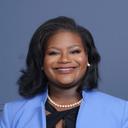
Dr. LaKeshia Nicole Myers is an accomplished education leader, public servant, and advocate for educational excellence with more than 17 years of experience across K–12, higher education, and public policy. A former member of the Wisconsin State Assembly (2019–2024), she championed education initiatives while serving on key legislative committees and previously worked in federal policy with the U.S. House of Representatives. Dr. Myers currently serves as an Adjunct Professor of History at Lakeland University and Managing Partner of EduStar Consulting, bringing deep expertise in instructional leadership, special education, and equity-focused educational reform.
Want More Local News?

Civic Media
Civic Media Inc.
The Civic Media App
Put us in your pocket.