
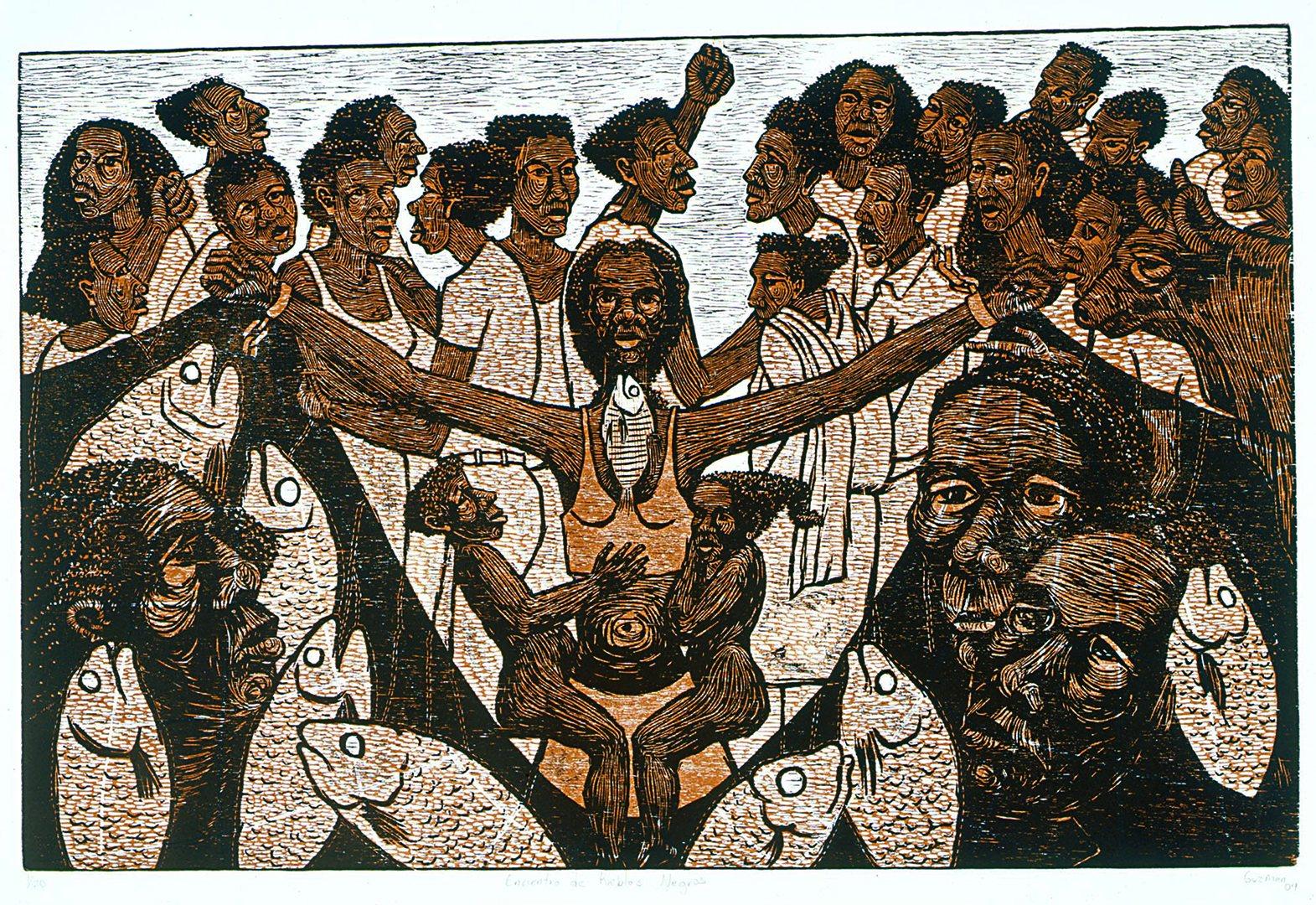
Source: Michael Tropea
Celebrating Our Afro Latino Sisters and Brothers During Black History Month – This is the 1st of a 4-part series

Feb 6, 2026, 5:34 AM CT


Share
Exactly 20 years ago this month, I had the desire to visit Chicago for the day, not knowing what it would bring, so I entered “Things to do today in Chicago” into my cell phone. My mind and heart were blown away to see an exhibition gracing my screen, entitled “The African Presence in Mexico: From Yanga to the Present,” which was on display at the incredible DuSable Black History Museum and Education Center. The African Presence in Mexico was organized by the acclaimed Mexican Fine Arts Center Museum (formerly Mexican Fine Arts Center Museum) in Chicago’s Pilsen neighborhood — a predominantly Mexican and Mexican-American area of Chicago that, similarly to Bronzeville in Chicago, is becoming gentrified.
Without hesitation, I jumped in my Camry with my heart beating the whole way about an entire part of Mexican and African history that I was about to embark upon — not in any class or textbook in high school nor at the Universities I attended. As I pulled into their parking lot, I saw the vibrant banner proudly displayed over the concrete exterior of the DuSable Museum, inviting me into an educational experience beyond anything I’d known.
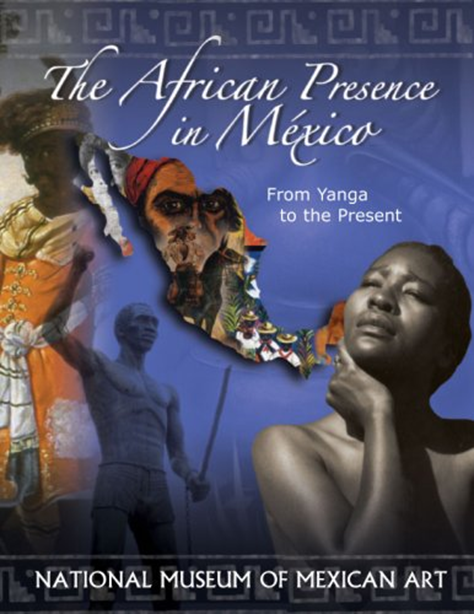
I walked through each panel slowly and in awe learning with each step I took that *for nearly 500 years, the existence, and contributions of the African descendants in México have been overlooked. Almost a century after Africans arrived in México in 1519, Yanga, an African leader, founded the first free African community in the Americas (January 6, 1609). Since then, Africans have continued to contribute their cultural, musical, and culinary traditions to Mexican culture through the present day.
One of the panels that fascinated me was Who Are We Now? Roots, Resistance, & Recognition. I came to understand that although our relationship as African Americans and Mexicans is complex, we were able to collaborate by helping slaves get to México by way of the Underground Railroad! Also, through the artistic influence of the Mexican School, Mexicans, and African American artists, such as Elizabeth Catlett, Frida Kahlo, Jacob Lawrence, and David Alfaro Siqueiros.
In Part 2 of this 4 Part Series, I will examine the multifaceted impact of African culture on Latin America.

Want More Local News?

Civic Media
Civic Media Inc.
The Civic Media App
Put us in your pocket.