
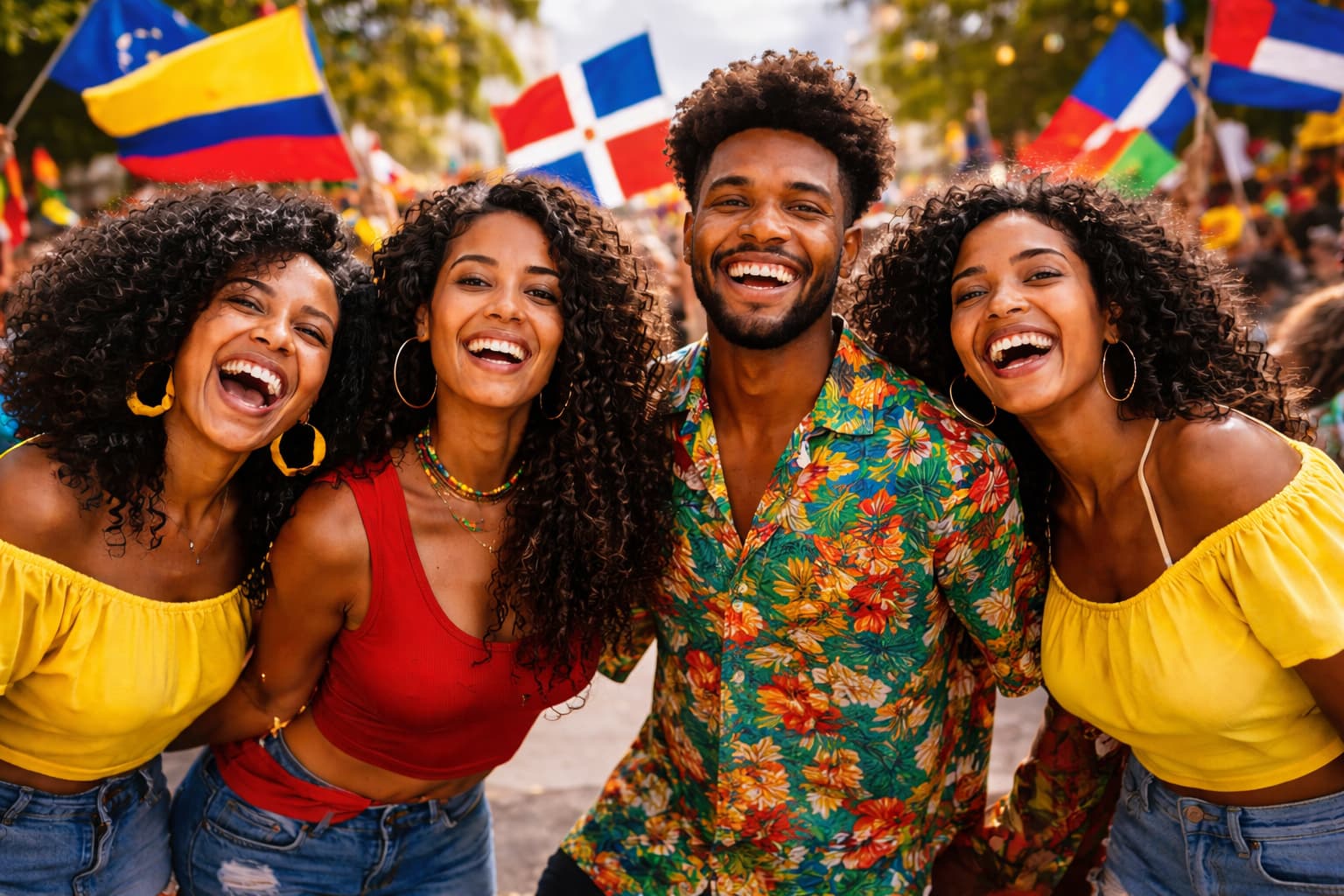
Celebrating Our Afro Latino Sisters and Brothers Throughout Black History Month – Part 4 of 4 of the Series

Mar 2, 2026, 6:43 PM CT


Share
As I reflect on this 26th day of February, I realize that I hadn’t, but I wanted to give praise to Historian Carter G. Woodson. Mr. Woodson, who nearly 100 years ago established Negro History Week, a week-long commemoration of Black Achievements and History, laid the groundwork for what we know today as Black History Month.
In the United States, the month of February is a celebration of Black history and a tribute to those who have made significant contributions to the nation’s history. We often think of Black and Latino as mutually exclusive, but there are so many Afro-Latino people to acknowledge and honor for their impact on the world during Black History Month and 365 days a year, baby! Here are three of them, all from unique backgrounds:
The late television news anchor Gwen Ifill, whose father was of Panamanian and Barbadian descent – left a mark on American media. As one of the first Black women to host a nationwide televised public affairs program in the United States, she paved the way for other journalists of color. Ifill worked for The Washington Post, The New York Times, NBC, and PBS, and became the first Black woman to moderate a Vice- Presidential debate.
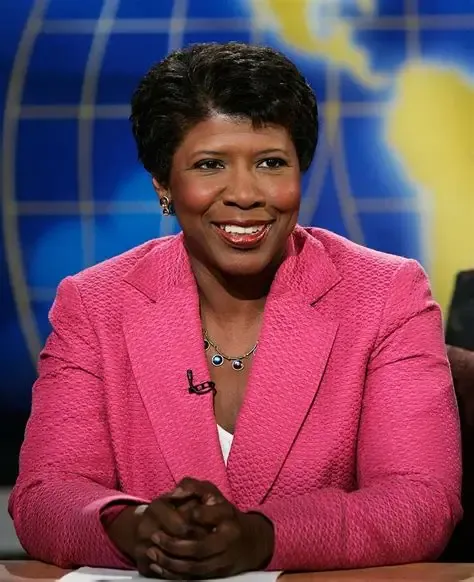
Gwen Ifill. Photo credit: Essence
After she died in 2016, PBS published a piece titled “Dear Gwen: Letters from female journalists of color she inspired,” which showed how deep her legacy is. For Gwen, championing diversity in journalism was necessary.
Simmons University renamed its media arts program after the journalist called the Gwen Ifill School of Media, Humanities and Social Sciences.
Down These Mean Streets, a memoir written by author Piri Thomas, is a noteworthy work on Afro Latinidad in the United States. Discussing the racism, identity issues, and poverty he experienced during his lifetime growing up in Spanish Harlem in NYC, the Cuban-Puerto Rican poet created a piece of literature that shone a light on his own community.
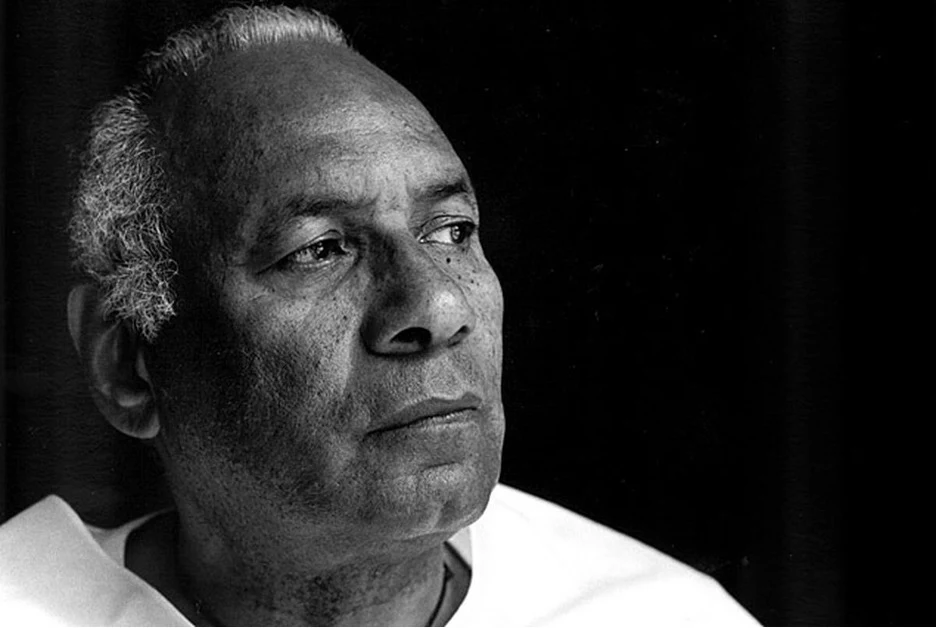
Piri Thomas. Photo credit: EnciclopediaPR
As a darker-skinned Latino, Piri faced discrimination, both from his family and society as a whole. His father reportedly preferred his lighter-skinned children, according to The New York Times. During his youth, he used and sold drugs and ended up in prison after he hurt a police officer. During his seven years imprisoned, he finished high school and turned to writing. The work he created was so trailblazing that his editor told him that with Down These Mean Streets, Piri created a new genre, one where “everybody speaks like themselves.”
Piri is remembered as an influential voice of the Nuyorican Movement, which captured the experiences of Puerto Ricans in New York through the discrimination and marginalization they faced.
Yo Soy AfroLatina started as a heartfelt passion project for Founder, Bianca Kathryn, who struggled with a lack of representation while navigating her dual identity as Black and Mexican-American during her childhood and adolescence. Launched in 2017, the lifestyle brand was inspired by Bianca’s experiences and quickly gained recognition for its empowering t-shirts and home goods that resonated with Afro Latinas.
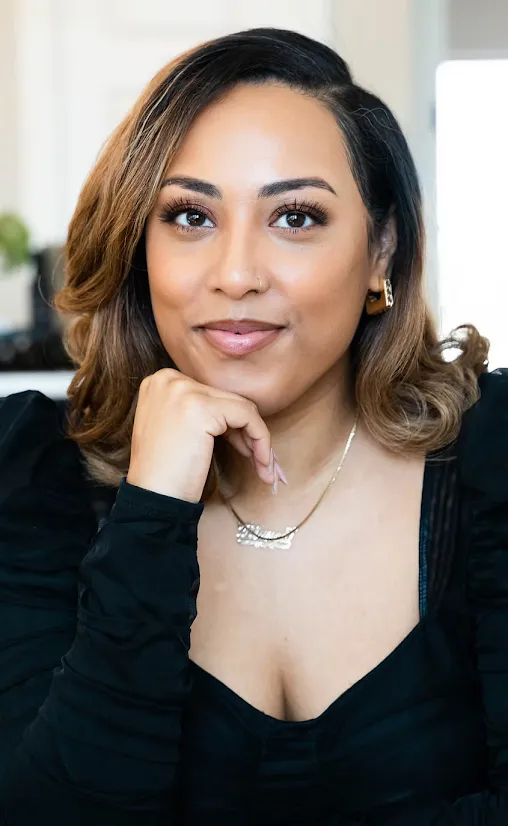
Bianca Kathryn, Photo Credit: yosoyafrolatina.org/about
From its beginnings in New York City, Yo Soy AfroLatina flourished through social media, building a global community and connecting with Afro Latinas everywhere. After 7 impactful years and a move to Houston during the 2020 pandemic, Bianca’s vision expanded even further.
Inspired by Houston’s vibrant entrepreneurial spirit and the genuine warmth of its community, Bianca envisioned Yo Soy AfroLatina as a haven for Afro Latina women. Her goal is to create a supportive space where their voices and stories could not only be heard but also celebrated.

Want More Local News?

Civic Media
Civic Media Inc.
The Civic Media App
Put us in your pocket.
