Transcript
We Energies Rate Hike Sparks Heated Discussion on Community Voice
Community Voice · Tue Aug 18, 2026
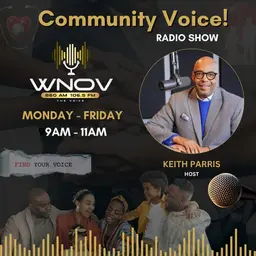
Good morning. Welcome to Community Brace. I'm your host, Keith Ferris. I want to thank everybody for joining us this morning. Can I get a little bit of... Thank you. Good morning, Clark Kent. Who you with? What up, Threepak? Back to middle school. It ain't back at elementary. Back to middle school.
That's a good one. Hey, buddy, if you know this part, he cupping until it's time to go in the air and he smacks you with the three pot. I didn't even hear him say it. Yeah. Oh wow, three pot, dude. That's hilarious.
Back in middle school. Hey, what up right now? Hey, Jack, what's going on, man? Apostle Bishop, chairman of the board, all three. Man, I showed up for your party. I bumped into a couple of people. Oh, man, I was going to be there. Man, stop it. That's what I was saying to people like, hey, man, I'm just looking at them like.
Bro, you ain't got a lot of me, man. Yeah, you do. Yeah, just just look at the look on your face. You already hurt, right? But just keep moving. Just keep going. You weren't there in the get-go, so just keep going. Don't come back like, man, listen, man, I meant to come and whatever. The people that was there, they were supposed to be there. I'm appreciative. Me and yesterday I bumped into Keisha Cole.
The singer Keisha Cove. No. She's my customer service rep when I worked at the county. She got married, she became Keisha Cove. She's one of the best customer service reps. Actually, I saw two of my customer service reps. I saw Noreen, who is Chris Levies, sister-in-law. She's also...
one of the people there customer service reps. Yeah, so, man, I really enjoyed my time at the county. I've worked with a lot of good people and we had a lot of fun. They were just doing something here where they were doing tea down at the fister. And one time we did high tea, you know, you bring in the scones and all of that and the tea and the little teacakes and
Yeah, so we had a lot of fun. Maybe that was the problem. We were having too much fun. But I really thought if people enjoyed coming to work, you'd get more work out of them. Well, yeah, because now it's not work. It's like you are enjoying what you're doing and you don't feel a certain way because when it's a job and you're like, man, I gotta go work.
I don't want to do this. And whenever you had that attitude, it kind of really slows your progress. Yeah, we were known as the click. There was a group of people that ate lunch. We ate good. And we've known as the click. C-L-I-C. Oh, wow. The K was silent. Yeah, they go, here come the click. Here come the click. There you go. There's another sign of letter for us. There you go. K was silent. Well, why, you know, again, you didn't include the K.
Let me do this. Man, I had a chance to hug a guy. I like this brother. He's one of my Republican friends. And so we were having a conversation last night. And one of the things that I don't know if you all have seen that there was a young lady. She's Deputy Clerk of Courts down at the Clerk of Courts office. And she's just been indicted on a drug charge.
So Republicans were trying to tie what happened with her away from the office with David Crowley. I knew that was going to happen. But she works for the clerk of courts, which is a separate independent
organization within Milwaukee County. It is not controlled by the executive branch. Uh, clerk of courts is and Hodges, uh, who worked there many years, um, decided to run and she's been the clerk of courts now, I think for four years and she's running on a post on the dim side. I don't know if there's one in Republican side, but she's running on a post. So just people know the difference when they hear Milwaukee County, they assume that is not David Crowley.
Okay, that is not David Crowley. Now there's been some other things that's happened in his administration, but the clerk of courts is separate. Just, you know, like, because that would be, that's a separate thing. So when I heard that, that they might try to link that and then they'll, what they'll do is just put it out there. Once it's corrected, they'll bring it back. But it's just like when the judge tells the jury disregard what you just heard, you're not going to disregard what you just heard. You know, so just, you know, just kind of be mindful.
Just be mindful that it's an unfortunate situation. But again, it wasn't anything that this person did on county time. This is something that happened privately. And I'm just looking now, you know, they found the cocaine. It's the fentanyl. The fentanyl. Yeah. They're going to be looking at some real time. Yeah, that's right. It's convicted based on that fentanyl. I used to say, I said, remember back in the back in the days in the 67, like heroin was like, you got caught with that. Oh, man. 25 in life. Yeah, real time.
And now fitness just like that. Yeah, they used to they have in New York is called the Rockefeller law Mm-hmm where the minimum was 25 years. That's the minimum right and people getting life for heroin You know and it gets around this whole idea of drugs in America and There's a great great documentary Kim watched it I watched it on the drug wars and how the drug wars are usually targeted
black and brown people or others you know back in the 30s 20s cocaine was legal and they must have had one migrant worker who was using it you know for the energy and he made it illegal they went after opium which was legal when the Chinese were doing opium marijuana
They said also cocaine with black folks, which I didn't understand was what with black folks back in the 20s But anyway by making it legal and then marijuana became a schedule one drug Back in the 60s when they were targeting anti-war protesters hippies right and Richard Nixon So the drug war has always been you know like like crack versus powder. Okay. Yeah, you know people argue with me
I said, look, they're essentially the same thing. One is cooked. Right. One is cooked. And then who was using it? And then when you look at the statistics, white folks use crack at the same frequency as black folks. OK. And then under that crack law, Keon did this research. Not one white person was convicted under the federal crack law. Not one. So so isn't it true? Well, I'm going to be careful with this.
I know that it was out there a minute. A lot of whites use powder more than they did crack because of a smell. With the powder, you can sniff it. You don't know when it's too high unless you act in a certain way. When you crack once you smoke it, it's like a metal type pipe smell. No, but I'm talking about the smell of it. The once you hit it, you can still smell it. It was sweet. Kind of a sweet smell. It's like a pipe.
No, it's a sweet smell. It's like a burning sugar. Yeah, like burning sugar almost. But with the powder, there's no scent. No. Well, the other thing about when you Freebase, which crack was, it got in your system quicker. Quicker, yeah. So that's what people I was talking to, I saw Brenda Buchanan and Nancy Layman.
at the show last Wednesday and we're talking about chasing the dragon and chasing the dragon is a thing where if you've ever been a user you want that first like that first hide so you're chasing that first hide you'll never get it you'll never get it so they said it in heroin when people would cook it up and then smoke it
and same thing with crack. And something Keon pointed out to me, he said that crack is not physically addictive. Crack is psychologically addictive. What does that mean? Yeah, because what does that mean? That means if you stop doing heroin, you're going to go through withdrawals. You're not going to go through withdrawals if you do crack. You could have some mental things going on. So how they treat it, but you're right, it's more, I was watching this piece on who was the boxer from God.
Comacho oh and macho, you know and he was training get cuz he had been in it out of drugs They believe he got killed in Puerto Rico because of drugs But he was training for a fight and he quit big payday They said what's happening? He said just like good night So it's the psychological thing That he got from it because again cocaine passes through your system Right, I mean two or three days. It's gone. Right
That's why that whole myth about crack babies. There was no such thing as a crack baby because now you had babies who came here with, what is that, that fetal alcohol syndrome where mom was drinking, doing pregnancy and then the baby comes in, the baby goes through withdrawals because alcohol is part of what's going in, in the womb, heroin and things like that. But it wasn't crack, right? Here's the other thing for white folks and po-white folks. You know, you talk about fentanyl,
but it's crystal meth. So crystal meth is where they go after poor white folks. And there's some black folks who use it, but I was so glad that crystal meth never caught on in the black community. Man, cause like you shut down with crystal meth. I mean, you know, your whole existence is, ooh, it's a different piece. And there's this argument about whether or not we should legalize drugs in America.
But I think that it has been monetized in terms of prison and other things where you will not, you'll not see that they're glacially moving towards decriminalizing marijuana, which is cannabis is using in 39 states of legalized it. So. Man, I'm gonna tell you something that really blew my mind. And I asked my doctor,
asked Doctor what a degree which one was better and What he said out of his mouth blew my mind. He said I don't supposed to tell you this but There's nothing wrong with Marijuana this three called Marijuana so because I had asked him I said well Why is it?
then if I have surgery, because I asked him what was in the oxycodone. And he told me. Yeah. So I'm like, well, yeah. So I'm like, well, if y'all can prescribe that, but then put on the label, be careful because you can get addicted to it and, you know, keep out of the reach of children, all this other stuff. You can prescribe this legally. But if I get caught with it without a prescription, I go to jail. Right. That's big pharma.
And everybody know, I think it's the slacker family who they dumped all of this oxy-cotton in West Virginia. And they came up with what they call prescription meals. Florida was another place where they dumped a lot of oxy-cotton. I was so glad that my back pain didn't require opium. You know, because, and I know people, man, when they would get like after surgery, they said, I'm not even gonna deal with this oxy-cotton. Because someone,
I know I knew a very long time got addicted to it. It is it's big pharma. No, it's it's crazy that you say that because when I had surgery on my ankle, Mr. Honest to God, they gave me some oxys. I'm not lying, man. I took the oxy and this was after my surgery. I took the oxy and I couldn't feel any pain to the point that I went out and played ball. I played ball.
on my ankle, me and Rocky. Because I got high. Because I got high. Because I got high. Man, I'm out there playing ball. Man, I'm moving. I don't feel nothing. But once it started to wear off, man, it was some of the worst pain. I'm like, oh, but then I found myself I had to take another one because I was looking for that feeling of not feeling the pain. And that's how you get addicted to it because you soon as you feel that first.
So now your your mind is conditioning your exactly it's conditioning yourself to say It's time to take the pill and it's tough. It's tough. It's like When you talk about smokers and people talk about how hard it is to quit smoking Because you are chemically addicted not only are you psychologically addicted and your body goes through withdrawals because Yeah, so I think that
You know that whole pain management piece? I don't like taking, I think maybe a leave is about as strong. They gave me, they gave me, what do you call it, the pills for the muscle spasms? I was like, dude, don't like feeling like this. And it makes me feel good.
I was like, oh, oh, oh, oh, oh, oh, oh, oh, oh, oh, oh, oh, oh, oh, oh, oh, oh, oh, oh,
And you were thinking like, so what happened? She didn't get the diaper off of you quick enough. And now you turned into a mass murderer. And what was the issue? Hey, my mom, let me walk around with that diaper too long. Hey, good morning. Good morning. Don't forget that powerful one called Ketamine. Oh, yeah. Yeah. Yeah, then people be up in Minnesota, knit, riding the bike in the middle of the crosswalk.
stopped. It's a prescribed one, but it's on the loose, though. And it got people, it's eating from the inside out, you know, a flesh eating thing. It's starting from the inside of the body to the out.
Yeah So why is it again and then you have these hospitals that have all of this daily stuff available for them to prescribe to people because if you Accidentally give somebody the wrong stuff it can kill them. Yeah, but I think that anytime look
I am not saying you shouldn't have pain medication because pain pain is So they tell me to use the CBD or Use the CBD rug so this so that means y'all knew this years ago that this stuff worked but because of
the money that you want to keep floating in, you don't make the stuff available to people. You want to keep them on other stuff that's going to keep the money coming in. And then that can possibly get you addicted. Why would you do that? And that's the that's the vicious circle that we find ourselves in that people do, you know, and then there's the other piece of how we self-medicate. Right. You know, so.
Yeah, I think that that's why you're under doctors care. You know, follow those directions. But you can you can become dependent on that. And and look, pain is a part of life, right? I mean, depends on the level of pain. And when I think about people who, you know, when the doctor was talking about
me about the possibility of surgery and I'm going oh man let's hope not let's do some other things I'll do the exercise to see the physical therapist you know I mean because the pain is real man I've seen people man they've been dealing with pain for years and how do they get through it because the guy a chiropractor had told me about how will you take an ice pack
Put in the area where you're dealing with pain. It sends a message to the brain. But once that wears off, you feel it. You feel it. And then that's, it's like people get shot to get out, go out and play. So my question is, and I've always wanted to ask this question. Is it that you are feeling the pain or is it that your brain is telling you? Your brain is telling you not to feel, because that's where it comes from. Right. Right. Nerves sends a message to the brain. It's Tuesday.
Be healthy, be you. Send a message to your brain and, um, you know, say you're not feeling pain, but when the pain is still there, it's just, well, the pain, the pain is there is my understanding. The pain is there. So you don't, you keep that area. You try not to put either stress or strain on the area. So swelling is a sign of healing, right? Pain is telling you stay off of it, right? So, so then it can heal. Right.
And, um, healing is, is, can I use the word miraculous? It is though. I mean, I'm talking about the body. Yeah. I mean, you guys saw, I was walking like, uh, yeah, like a month and a half ago. Right. And, and it's like, and, you know, and every day it gets better. See, cause what you want to do is you want to go back to the day before, you know, it started.
And it doesn't work that way. And if you're younger, yeah, you're healing is quicker, you know that that that's But as you get older How you're how your body I was talking to brother last night. He's talking about turning 50 and I said well I Hate to be the old guy. So a couple things gonna happen. You go have more stories Because you at the age now your old guy you got a story, right? That's that's the old thing about
Oh, God, they always got a story. And then I said, you'll notice some things you could do more easily. You can't do anymore. Your body is telling you that. And then you're on the other side of the mountain now.
You know you come up now you're going down and so how do you navigate that psychologically? I know when you go into you do your like your Medicare wellness Do ask if you've been dealing with depression because people as they get older You know, you realize you're getting closer and closer to your mortality or mortality becomes more obvious Shit when I was 20, I wouldn't worry about dying. Hey, you know what?
And that's true because when you get around that age 49 50 like your schoolmates people that you would school with your peers You start going to their funeral. Yep, and that's like, oh, okay But you know was something the dr. Hall pointed out and here's the great danger sometimes People die in all age groups. Yeah. Now you have an actuary out there says that of course if you 65
But people are dying and she did a great job. She had an obituary of a kid who had died. And then she had an obituary of her mama who was 90, 92, something like 95. And she had Marcy's and she was saying how, you know, she died at 47. So, you know, I mean, it death is all around us. And you have a tendency. But yeah, you think about when we did our 50th.
Year reunion of the state basketball team The amazing thing about our team was that The entire team was still alive our coaches with the exception of mr. Miller Still alive as a matter of fact when I went to see the chiropractor I bumped into mr. Trojanowski who was one of the assistant coaches on the team the team we beat
For their players and the coaches did so I don't know how much of that is you know just a randomness of life But the fact that all of us were there and then I think when we did our class reunion We either had seven people who had passed or 12 and we just had a guy Actually the dude that I ran against To be student government president. He just recently passed David Crow Which was one of the
Craziest things if you see now you gotta you gotta go back to 1974 and How we dressed in 1974 man, I had on checks and stripes big old bow tie, you know He was preppy before it was preppy, you know, and so it was like so the fact that I won that race to this day We do not know how I ended up winning that race I was surprised because
someone had talked me into doing it and I'm over at their house and their dad and they're all talking to me and When they say keep you should run for student government president. I'm going hey, Barry You do know I'm black, right? And he said it didn't matter and then I know I gotta go I'm running long But at our class reunion there was a guy there Todd want to
I always liked Todd. Todd had a lot of smart people in my class. I don't even know. But Todd was talking, and he said, you know, Keith, you know, I voted for you for student government president. I didn't get a lot of votes in my class because David had been class president for years. And I said, wow. I said, in spite of me being, he said, Keith, I never even thought about that, which was kind of amazing on some levels. But, you know, who knows? Carla, welcome to the program.
I just want to comment on the pain medicine that you guys were talking about. That's really the oxycoldinones and the hydrolds. Hydrolds, that's really just a pain blocker. It really don't fight the inflammation. Sometimes you get a better deal, man, with a Tylenol, I mean, what do you call it, an oproxen.
something that actually goes in and fights the inflammation because all that do is stop the mental, the mental deal. So like right outside, he out there playing the ball and it's just blocked, but it didn't do anything for the inflammation, the swelling and all of that stuff. So I mean, that's really a tough cookie to swallow man, through and with the appeals man. Appeals right now is got to hold, we got young people out there using them man.
We've always had people using pills and what was it with the barge? They'd never wanted to do heroin or cocaine, but they got addicted to pills You know, I mean that people look man since we've been human beings We've always looked for a way to alter consciousness, right? Man is not happy to wait God mating even as a little children we get in the middle of the flow Put our arms out and go round and round and round and round and round and get dizzy and laid out in the room spin
So you definitely write about that man. And let me say this, even religion, because there's certain things that religion does to your mind where, especially when you have what we call being in the spirit, well, that's that feeling of euphoria that one gets from that, that it all serves a purpose because, like I said, people have been altering consciousness as long as we've been organized as human beings.
And because we don't like we just we just can't accept the way God put us. He was talking about a meeting of death Listen, I preach the message but on the guys wants to point on to a man and that and after that the judgment and I came down that that's a heavy thing and when a person have a real spiritual awakening understanding, this is a one ride carousel man
I mean, once the man up there stopped the ride, you can't get back in line and get no more tickets to ride again. You can't run over there and pay for it again. You know, once he stopped the ride, it's a one-ride carousel. It's up and down, up and down. When it's time for you to get off, you must get off, man. And when you have a spiritual awakening that this is a one-ride, you hit it towards the end, man, you might try climb, man. You might just realize, man, I'm getting older. It's just gonna happen.
And when a person has that real awakening, that's when he can start to see change in his life. Until then, you ain't thinking about none of that. You kicking and moving around. But when you had that awakening, boy, that you headed towards the finish line, man, and you can't redo, you ain't no redo. You can't redo none of that. It would make a man sit down, you drive hundreds and hundreds of miles, no snidey money. You're thinking about, man, I'm getting old, it's over.
Well, no, he do have a point because you get to looking at your life like, OK, wow, it goes so fast. And then when you really look at the reality of it, but I'm going to break it down using the sports term. When you look at the baseball season and basketball season, each season is a is a year off your life. So once the basketball season in, you know, that's a year off of your life. So once the next season start.
You know what I mean? So it says no, yeah. That's how they do in prison. Do they prison bit man? That's how they do. Let me let me thank everybody for depressing us this morning. I still got a whole lot to live it I hope. Of course you do. Of course you do.
Of course you do, man. Who was it that was talking about somebody and they said that when it happened, they had beat cancer and then got in a car accident. Oh, yeah, yeah, yeah. You know, I mean, you know, and people say it's God, you know, it's fate. It's all these things where I was talking to a brother last night and we were talking about our life course, right? Like,
When you were eight years old, planning out your life, I bet you your life now looks nothing like what you planned at eight, right? Because life doesn't work that way. It's like people go to college. Most people work outside their major, right? I mean, life is like this journey. It's, it's, it's, what's the word? It's kind of, it's in, it's out, it's up, it's down. And so it's the journey, right? You know, I, I, I appreciate my journey.
because it's like my journey is unique and your journey is unique. But thank you for that, for reminding us that everybody's gonna die. I'm gonna say one more thing, and then I'm gonna bounce out. Right outside of something, it comes very quickly. Listen, it seems like we've lived a million months. Seems like we paid, went a thousand months. We done paid our fund bills a hundred thousand times. Every time I turn around, but guess what? A 70 year old man, he's only lived 800 months.
So you've been in 65 years old, times 12. You ain't, you ain't, you ain't lived, but what, uh, 700 and some months, 700, 700 and some months. So, so, so, I mean, that's the, um, that's the chronos and chyros of our life. The chronos is that I was born on July 12th, 1957, right?
or I graduated from college on this day, May 8th, 1979. That's the chronos. The kairos is what I did do in that time, the essence of my living. And so that's why we can look at a life like Dr. King who only lived to be 39, and Dr. King accomplished more than some people who lived to be 89. It's how you live your life.
A lot of times. The man was already in Morehouse at 14. He was already in Morehouse. So he was a genius, man. Listen, let me get on out of here, man. I just had to comment on that pain. All right, I appreciate you. All right, you're listening to Community Voice. We're going to take a quick break and we'll be right back.
The work we're doing at Viola is absolutely bringing access to the water for people. To be able to have this job to help keep our rivers clean and our lake clean is the greatest thing I could ask to be doing for my time. It feels good. You're accomplishing something that is truly helping everybody in the community I was born and raised in. Water is our greatest resource. We all need it to survive. Viola is 100% doing great work.
When we wanted to expand access for folks in need of bikes, we turned to Viola. The result, the new Viola EcoPass program that has dramatically increased access to our bike share system for folks all throughout our community. Connecting students to schools, people looking for work with employers, the community with parks. Thanks to our partnership with Viola, Bubbler Bikes is serving more people than ever before. Those are Milwaukee values.
I'm Jim Playset. I'm the executive director of the Historic Third Ward Association and also a resident of the Historic Third Ward. Somebody's got to manage this, right, and care for our waterways and care for the treatment of our waterways. We couldn't do it without MMSD and Veolia. They've just been a great partner as long as I've known them. It's just been an amazing recovery for this body of water. MMSD and Veolia have been a big part of getting that clean and enjoyable for all of us.
We have been in business here for 14 years. I believe the rivers are the cleanest they've ever been. We get lots of people on our rivers and canoes, kayaks, stand-up paddleboards. People are happy to be here and it's growing every year. We love our partnership with Veolia. They help the kayak company grow. I definitely don't think we would be here without Veolia and MMSD. Clean water is essential.
Keith Parris. All right, welcome back to Community Voice. I'm going to go in the salesman, but I was talking about an ambulance ride I had and some of the questions they asked you in the ambulance. You know who the most lied to people in the world? Paramedics. And doctors.
What you do nothing Why am I here? They said well, how much do you smoke? I Guess they didn't know was two packs a day. It was like maybe to a day and then I love with Brenda Julian say yeah, but that's not what your tessuses are saying
Especially because if you're gonna be they're gonna give you a shot of something they need to know what's in your system because you know Let me give you a Billy Preston story now people know Billy Preston struggled with drug addiction most of his adult life He's supposed to go in for dialysis right
But he smoked up some cocaine He had a reaction cuz what was it doing the blood is circulating through the dial dialysis throughout his entire system, man, you know, so Yeah, hey this question came up young This young brother came in last night he had on a Rodman T-shirt so I asked them
Who was the better Robin the Robin with Detroit or the Robin with Chicago? Who's the better who's the better Robin Robin Detroit or the Robin Detroit with dirty, but the Robin in Chicago plays smart and dirty I Didn't think he played dirty I think he plays and look and in the 80s the NBA was physical
There was people out there. There was a dude late 70s, 80s, Ronnie Shelton. There was people out there, Maurice Lucas. There were people out there. They gonna fight you. I don't know if you remember when Jay Humphreys was playing for the Bucks and he got clothes on, going in for the layup.
man, it was a white clothes line. It's a Humphrey. Yeah, Jay Humphrey's got clothes on. I think I remember that. And then Alvin Robinson, you know, it was it was like almost like a big fight. Alvin Robinson was one of my favorite guys. And he was a real-life gangster on the court. Oh, yeah. Like, he was a gangster on the court. Yeah, he was. Well, off the court. No two brothers, man. Him and Sadelle Street. Yeah, man. Sadelle Street, yeah. Those brothers used to turn out victors, man. But Alvin Malvin was a great defensive player.
Man, he had good size. Yeah, he used to get his hair cut at XL. Yeah. Yeah. So who's better Robin? You say Detroit or Chicago? I said Chicago won because he was he was smarter with it. Detroit, he was more the bully. I mean, like, he was, I think his athleticism in Detroit. I mean, when, you know, you used to watch him just bounce down the court. Right.
You know, his energy was always high. I agree with you, though, and I was saying this, that he became more, his rebounding was about technique when he got to Chicago. Yeah. You know, as opposed to where he could jump out the gym, because, you know, he could jump. Yeah. Plus, the person when he was playing with Chicago, he knew how to get in the other opponent's head.
So that's why he wasn't doing that in Detroit. Yeah, but he was doing it in Detroit. He was doing it in Detroit, but he was more rough with it, though. He was rough in Chicago, Doc. Not really. You know, I think by the time he got to Chicago, and I'm not going to say he had more help, but let's see, Chicago. You got Tony Kukos? Oh, that's me. Oh, I'm going to tell you.
Let's see. He played with one two Hall of Famers in Detroit Joe Joe Dumas and Isaiah Okay, well, that's fine. Yeah, just do it live Welcome to the program
What's happening man? What's happening man? What's happening man?
Oh, oh, Trump. Oh. Yeah, he blamed it on Vandals. Wasn't that where he had to fight? That's where they had to fight. Right. That's going to kill the grass. Of course. So he blamed it on Vandals. On Vandals. Well, he's the Vandals.
27th amendment y'all the 27th amendment Every day No people running from it the question is will he come to Wisconsin and campaign with Tom Tiffany, please come
The door is open. Please come. Yeah, he got a BBL back there. Yeah, come on. You know what the Crowley people should do? Bring in the one. Bring in the one. He's right down the road. Yeah, he's right down the road. Bring him in. Hey, I'm not trying.
Definitely they bring Trump in y'all got to bring the one in Yeah, it's gonna be a let's fly man, so we can watch him come down the stairs Oh my god, man that that that this dude and the Iranians just pointed that out when they posted this old video They were talking about Trump and how his whole backside. Yeah. Oh man. He
Man This dude We laugh but here's the problem we deal with all the collateral damage that he's doing You know just based on his whim they were showing him yesterday in the that That room is so gaudy now with all that gold
He did that because again I was saying this he planned on staying anybody that would invest your own money or Whoever money into and you want to do your own thing you plan on staying you don't plan on leaving this question Did intelligence say there's a need for this underground bunker?
eight off Hitler. Uh, I'm just. That's because he got over. He know what he's doing. It's gonna cause a whole blowback and he want to be ready for the blowback. So you try to be in position before it happened, but you turned on the whole West Wing.
When we wanted to expand access for folks in need of bikes we turned to Viola.
The result, the new Violia EcoPass program that has dramatically increased access to our bike share system for folks all throughout our community. Connecting students to schools, people looking for work with employers, the community with parks. Thanks to our partnership with Violia, Bubbler Bikes is serving more people than ever before. Those are Milwaukee values.
I'm Jim Playset. I'm the executive director of the Historic Third Ward Association and also a resident of the Historic Third Ward. Somebody's got to manage this, right, and care for our waterways and care for the treatment of our waterways. We couldn't do it without MMSD and Veolia. They've just been a great partner as long as I've known them. It's just been an amazing recovery for this body of water. MMSD and Veolia have been a big part of getting that clean and enjoyable for all of us.
We have been in business here for 14 years. I believe the rivers are the cleanest they've ever been. We get lots of people on our rivers and canoes, kayaks, stand-up paddleboards. People are happy to be here and it's growing every year. We love our partnership with Violia. They help the kayak company grow. I definitely don't think we would be here without Violia and MMSD. Clean water is essential.
Let me do a Calhoun tubs moment here. When you was talking about TAPIT, I thought about a Rita Franklin song. I'm gonna tap on you, tap on, tap on, tap on you. That was a stalker song that I think about it. She was moving.
I have a comedian son that uses that one. Is that right? He said, you know how many stalker songs we made? Oh my god! I just, as a younger person, watched the Hello Is It Me You're Looking For video for the first time ever. That is a weird music video. I have one. There's Phoebe Snow who did the song Never Letting Go. I just stopped by to see you. Missed you for a long day. Why are you just stopping by to see me? You didn't call.
We're joined. That's a whole segment. That's a whole segment, right? Yeah, but then you start by tapping, I'm going, oh, man. And I don't know if I think Aretha wrote that one. No, Stevie Wonder wrote that for her. Oh my. No, how? He did because I remember them talking about how complicated the rhythms were. Yeah, he wrote that for her. Love has evolved. I almost went there, Keith.
We're joined in the studio by the good folks from Walnut Way, Mr. Yusef Adama. He is the team coordinator. He's April Forstner's engagement strategist. And of course, one of our favorite people, Pastor Theresa Boyd, she's the fate network coordinator. And we're here to talk about we energies and rate heights. Am I correct? Yes, sir. Talk a little bit about, I don't know if anybody heard that there's a gubernatorial election coming up. Yeah, I don't feel heard that. Yeah.
Can't forget it. Can't forget it. How history is made sometimes is like, whoa. So let's talk about the implications of the rate height and what people can do to express their feelings one way or the other as it relates to the rate heights that we energy is proposing. Can I just start with a little history? Walnut Way Conservation Corp was
One of the first and when I talk about first, this is in terms of the state of Wisconsin in 2022. We took a group of two buses of people from Milwaukee, Wisconsin to go before the public service commissioner to sit down with them and to talk about why Lindsey Heights.
was suffering based on the increases and during that time we had enough people with us to not only give their comments or complaints but also to say we want to enter into a conversation to be an intervener against we energies so since that time
Walnut Way Conservation Corp has put together not only groups of people going to Madison, but going to all of the hearings that have been taking place. The Public Service Commission. The Public Service Commission, when we say PSC, and they're challenging weak energies to change the utility rate and their formula in terms of what they're doing. So since that time,
just in a short period of time, we know that we're like a David going against Goliath. But in the midst of it, we are also seeing.
the recognition and the empowerment of our people because we are now getting them on board from residents, from churches and establishments, organizations, because we know that the utility race affects everybody. So that's just a little history of it. And in terms of where we are now, we've had about nine different
I think there's special hearings that have taken place that we have moved inch by inch to say we still want this change. I can't ever, and you guys are subject matter experts, I can't ever remember a rate hike that wasn't approved. Absolutely. Am I right on that? That's what excited me the most in helping
to determine engagement with this, how we needed to engage. Because there are so many brilliant minds that are at play here that did all of this back work to help us understand how our rakes get hiked. Many of us didn't know that we had a right in saying yes or no.
So that's why this is so pivotal. That's why we're here to talk to Milwaukee and the state of Wisconsin and whoever else is listening But this is what we talk about when we talk about civic responsibility and teaching community how to self-advocate This is yet another layer of how and this was while no way jumping down the rabbit hole when when community told them what they were struggling with way back like
Pastor T says in 2022. Yeah. So you said is the foremost authority you said and doctor. I'm doctor.
I keep calling you Dr. T. Am I supposed to go there? Yeah, yeah. So that's why, you know, I just, I just helped build strategy. These folks do the work. I want to give some more context to about what you just said with the rate hikes always being approved. It is unfortunate that with our participation, that does still happen even though a lot of times it would have been less than the proposal. But this spring, actually, we were able to get a bunch of people to speak on the very large customer tariff, which was the first really good decision we've seen in a while.
So we energies and the PSC customer tariff just explain what so the very large customer tariff so as we're seeing these big buildouts the question is should the rate Customers be in charge of the cost increases related to like data center builds and gas plant builds the PSC originally said no
that there shouldn't be cost shifting. And that was because of so much participation on our end, getting interveners. We pay for lawyer fees and all that good stuff. So now we're coming to the point where we're seeing another rate increase and we're hoping to capitalize on that and say, you know, these cost shifting shouldn't just be for that one set of dollars. It shouldn't be anything. If this rate case goes through, then we energy customers will have seen a 50% increase on their bills between 2022 and 2028.
You know, I had had a conversation with Alderman Brower, because he's talking about, no, no, represents the East Side. Oh, yeah. Yeah. And he was talking about Milwaukee just having its own utility, right? In terms of energy. And I did point out to him that for some of us, if you were a pensioner or one K, well,
one of the safest investments those funds make is in utilities, right? Because they have monopoly. And as we said, there has never been any time where rate increase has not been granted. And maybe sometimes, you know, just the cost of everything goes up. But I think part of what's also going on now is the data center. Absolutely.
And what that means in terms of power usage and who should bear the cost of those data centers. Now they can say we indirectly benefit.
from those data centers because of our Google, AI, all those things. But I guess the question is, should those data centers be responsible for their energy costs and no pass along to other customers? Exactly. Can I just jump in there? So one of the challenges, I tell people all the time, I'm Jane Blow. If I get it and the connection is made, then it's
I can help translate it better to people who wouldn't normally pay attention to this whole process. When you consider the fact that our county's median income levels haven't changed in probably 10, 15, maybe 20 years, our city median income levels haven't changed in about the same time. And you consider how many times disproportionately rate hikes happen.
How are we, how are economically are people able to sustain themselves because now we're seeing, and this is from experience working in places where people, low income people who are impacted do qualify for resources. But what we find is who's getting crunched are the people
heavily are the people who don't qualify for the resource that helps them. That's number one. Number two, it puts people who qualify for the resources on a perpetual hamster wheel of having to come back for the resources because they're not getting any true respite, especially
when those resources go away. And there was just recently dialogue before all of this crisis happened about those resources, energy assistance being diminished potentially so. And it's not just it's a compounding issue of the rate.
is increasing and then we're also seeing really bad weather events. So people are, you know, getting to the winter moratorium is getting colder and then they hit that spring and then they have an even bigger bill and then they go into summer where we're seeing more extreme heat cases and that affects, you know, every organ system. If you're an elderly person and need temperature control for oxygen, we have families in Milwaukee that have kids doing homework by candlelight.
because they're leveraging whether or not they should be using their lights or trying to save for food. This is a big issue, and this is exactly why. Policies and systems. People need to come and say, and it's not fair for us to have to be this vulnerable during these cases, to have to expose ourselves and tell our stories like this. But it's necessary right now because this isn't just about spreadsheets and numbers. This is real people with real lives that are really effective. And it's a real fight.
Yes. When I gave the example of a David and Goliath, I am very serious because here's a company 130 years old. Now, they didn't just show up recently. They've been here for 130 years. And now as their increase again, another $500 million they're asking for, for what?
small record breaking profits year after year. But all of the profits and so we're trying to or decided to be the David in this picture to say somehow some way we've got to fight this giant. I'm kind of like a wild card right now. We're unprecedented. Yeah, we're kind of like one of those where where did they come from and how did they get 40 people to go to Madison to talk to some people that listened.
for once to even allow us to become an intervener and to become a voice for the people. From a struggling, re-emerging, historic community. Troublemakers. All right. I think it's important. You know, now, it's funny, you're just talking about the disasters, right? And which is a whole total...
Another piece that's not that separate though. I know and that's where I was just hearing it to because if we energy aren't they proposing to build another coal burning plant? That has impact on the environment, which means that we're getting like they're saying that this this front that moved through the south like a thousand year storm, you know, so it's not and look
Nature is adjusting herself. You know, you have earthquakes, you have hurricanes. That's just nature doing what nature does. But at the same time, the impact it has on human beings, like you had forest fires, but human beings are moving closer and closer to the forest, right? So now we're more concerned about, because normally the way they do conservation is you let it burn, right? And then that becomes fertilizer and it replenishes itself.
We put the fires out, which is having an impact on this whole evolutionary cycle. But if they're allowed to build more coal plants, I never realized how much people depended on coal burning plants until COVID. And they flew over China and said, for the first time, you could actually from the satellite see China because they weren't producing. Right. And so all those things. So even, you know, you you got the economic impact it has, but the environmental impact.
Yeah. And that's where the segue into why it's so important that we're also simultaneously because we've been conditioned that we can't do multiple things at one time. But that's why that full court press is happening where we're continuing to call people's attention to who's going up to represent us in the in the governor's race.
Every one of those candidates that came to that gubernatorial forum that we held back a couple of months ago spoke favorably about these issues that we are discussing. When you say spoke favorably.
You said? Yeah, every candidate said something about needing more transparency. They said something about wanting to reel in data centers. They were making these grand promises about the fact that we need better participation in the PFC. They were very nebulous. But nebulous on the record. But that's all I could go on, right? Because I don't have privy to the back room. But what I noticed was that there weren't people out there because this
This is the other piece of it, man. And if it don't make dollars, it don't make sense. You still have to think about what does that mean? Is there economic benefit? But people say that, and that's the frustrating part about, you know, America and the way that we think about proactive work where we say, you know, how much does this cost? But it's going to cost more not to do something about it. How much of cost is different than what is the benefit?
From it, you know, how much like the people over profit Yeah, people like say we're building these data centers is gonna create X number jobs, right?
And I'm saying, but considering the resources that it's taken away from water, we know water and the air and the air. Right. So and in the I'm sorry, I'm so sorry, Keith, but I get passionate when it's something I know in this in this dialogue and considering who is impacted. Consider who the most. Where are they located efforts? Yes. Where are they placed? What happens to our air?
how many people actually, when you look at the healthcare industry, how many people would be sick, the housing stock, everything has an impact. And for us, it comes to us. We are the ones that take on the bad air, the land, the anything that is gonna be damaged. And then for even the lifestyles of the people, all of that changes. And it's all because they know where they wanna go.
work in order to put that. Do you think that though when we have the environmental impact conversation as an abstract to a lot of people? Yes. They don't necessarily see tangibly how it impacts them. We don't show up in the dialogue enough. What do you mean we don't? We don't know people who you know. We don't know. We're what I'm learning. I'm 55 years old and I'm just now learning these things that these folks are exposing me to.
I'm, I think that I'm pretty average, but I'm not anomalous. We haven't, we've not built mechanisms within our community where we exchange information. Not only not built, it is explicitly made so that we don't have that farce of this. Yeah, systems are working. Like they're making sure. It's intentional. It is, it is. Systems are working. Policies and systems. And it's beautiful that we've been able to push and get more people involved. And that's, you know, when we, and
This is two years ago now that all the high schoolers that came to speak, you know, they gave their aware and to mention kids can be involved in this rate case too. Everyone can testify. They can testify. So, you know, we're seeing a bigger shift in participation and we're seeing a better shift in outcomes, but it is abstract right now and also purposely vague. People are putting out misinformation. The utilities are putting out misinformation. They're making it hard to understand how to participate. If you looked at the PSE website right now and tried to find the location of this hearing, it would be very difficult.
but that's why it's speaking for us to do that work and bridge those gaps so it's not so abstract so we can do that education and can have people being able to advocate for themselves. I make the argument that your ignorance is not bliss and we have a responsibility to to know but I think a lot of people don't
want to bother to know when I have this it's hard when I when I have conversations around here I mean I can go you try to keep it as fact-based as possible but people's eyes begin to glaze over you know we talked about this before the experience the lived experience of poverty is
daunting. And people who are in this are so distracted by survival that they don't see this as a as a consideration that is impacting them that they can voice. Exactly. And a good example of that is as an organizer, when I worked on education, for example, and we raise education, even in the black community and families, how important it is. But when I went out in the community to raise education, those parents told me
No, no, no, no, no, no. That ain't my number one. So just imagine me going to them and saying, let me tell you about how you can get a better light and how you can get better heat because for them, I don't have.
I don't have so those experiences that they live by every day are the ones that they want to deal with the rest of it. I mean we're taking our time and it is important but now that we have doctors we have scientists we have people coming together with the common people saying this is what's happening to you and this is
This is why. Why do we have so many children with asthma? Why? Why do we have so many information places that we should have given these people education? And we don't. They have to learn it. And then for me again, it's to teach people. I'm not saying fight everything, but you got to learn how to fight from everything that we've ever had in our history.
It was a fight Keith, you know, we've been talking for years about these these core issues that no matter what you drop into it It centers around policies and systems, isms cognitive dissonance and trauma No matter what issue we come to we think about over the years everything we come to you and we talk to you about Topically my issues have changed because you know, it's how I make my living but
At the core at the core it's these it's highly functioning systems that people are calling broken that are highly functioning and we have to get about The the framework in community to dismantle and and and maybe re-imagine in a way that we never had before when you all were speaking about that I could think about I don't know if you're
Your mom ever said close the door. I'm not heating the outside Turn that light off all of that and I I remember there is a In Florida they have these almost like outdoor malls And what freaked me out was all the doors were open And the air condition is coming out and I'm from this thing and they got a ceiling fan going right we should be keeping this in
But the use of that, and I'm getting better now at turning lights off. Unplugging things. Don't run your water all the time. Yeah. Well, we got to run the water to get the lead out. Listen, do you have a man?
No, I mean, I think that it is a way to think. I'm more mindful of my carbon footprint. Yes. So if I go in the store, I'm paper plastic, paper if I can. Yes. You know, little things. I realize I'm just one, you know, like we complain about litter. And when we were growing up, we didn't have as much litter. I think people need to take in the context that we weren't in the 60s, 70s.
And maybe even up into the 80s, we weren't this disposable. And we weren't consuming. Well, we consumed, but, you know, it wasn't disposable or you had plastic where, you know, you just throw it away, right? And no one ever said they don't want to invest in what it costs to recycle plastic. You know, the petroleum companies are making money, you know, and this is an aside, you know, who's making money in this war right now? Petroleum companies.
And then how much of our life is built around petroleum? That's why you don't want, we have some people now on a national level, and asking, do you believe in the new Green Deal? Now everybody's backing up on it, because politically it's unpalatable. But we were, at least, we were on a course. Like people say, you don't want electric cars. The technology's gonna get to the point where,
Electric car will be as efficient as a fuel combustion car, right? Yeah, but who doesn't want to see electric cars? Yeah, the current auto industry, but those also fuel folks and tangents are related like directly from the carbon footprint talk to this where we you know it is amazing that people are trying to be environmentally conscious and those are the people that we want to Bring into this, but it's also looking at that dynamic and realizing that as environmentally conscious as we can all be
If these companies don't stop, it's not going to do enough. We're like, we're seeing now, you know, in the middle of a war, why do we need to be coupled from these methane gas infrastructure systems? You know, the volatileness of these different energy production methods that we should be using for something better. But all of this stuff, and this is the the overwhelmingness of it is connected.
And we have to have that mindset that it's connected, but that we need to be able to support each other because we can't do it all alone. But we all need to be able to pick up something so that we can keep moving it forward and keep moving. And then we give you something else as a base to our convenience.
technological advancement, lithium batteries. Yeah. Absolutely. Don't don't. There are more cell phones in the world than there are people. Yeah. And we're think about that. Throw them away. Think about that. Right. Fix them anymore. They won't let you fix them. It is like and I'm saying that's the difference when I was growing up because it wasn't all the stuff you could throw away. Yeah. That's what he talked about. Big corporations who are literally
For lack of a better term raping our natural resources for profit. Oh, yeah, this is this is this is this is that profit over everything Yeah, that that profit over people dialogue that's been being had and we and we aren't Recognizing that we are those people, but you know what it ain't new We gonna suffer you always exploit
People and I don't know why I was thinking about the feudal system back in Europe, but it was always this exploitation exploitation of human beings Where we got we got some more time we'll pick it up. We'll get back you're inside community voice We're gonna take a quick break and we'll be right back The work we're doing at Ville is absolutely bringing access to the water for people
To be able to have this job to help keep our rivers clean and our lake clean is the greatest thing I could ask to be doing for my time. It feels good. You're accomplishing something that is truly helping everybody in the community I was born and raised in. Water is our greatest resource. We all need it to survive. Veolia is 100% doing great work. When we wanted to expand access for folks in need of bikes, we turned to Veolia.
The result, the new Violia EcoPass program that has dramatically increased access to our bike share system for folks all throughout our community. Connecting students to schools, people looking for work with employers, the community with parks. Thanks to our partnership with Violia, Bubbler Bikes is serving more people than ever before. Those are Milwaukee values.
I'm Jim Playset. I'm the executive director of the Historic Third Ward Association and also a resident of the Historic Third Ward. Somebody's got to manage this, right, and care for our waterways and care for the treatment of our waterways. We couldn't do it without MMSD and Veolia. They've just been a great partner as long as I've known them. It's just been an amazing recovery for this body of water. MMSD and Veolia have been a big part of getting that clean and enjoyable for all of us.
We have been in business here for 14 years. I believe the rivers are the cleanest they've ever been. We get lots of people on our rivers and canoes, kayaks, stand-up paddleboards. People are happy to be here and it's growing every year. We love our partnership with Violia. They help the kayak company grow. I definitely don't think we would be here without Violia and MMSD. Clean water is essential.
The work we're doing at Viola is absolutely bringing access to the water for people. To be able to have this job to help keep our rivers clean and our lake clean is the greatest thing I could ask to be doing for my time. It feels good. You're accomplishing something that is truly helping everybody in the community I was born and raised in. Water is our greatest resource. We all need it to survive. Viola is 100% doing great work.
When we wanted to expand access for folks in need of bikes, we turned to Veolia. The result, the new Veolia EcoPass program that has dramatically increased access to our bike share system for folks all throughout our community. Connecting students to schools, people looking for work with employers, the community with parks. Thanks to our partnership with Veolia, Bubbler Bikes is serving more people than ever before. Those are Milwaukee values.
I'm Jim Playsett. I'm the executive director of the Historic Third Ward Association and also a resident of the Historic Third Ward. Somebody's got to manage this, right, and care for our waterways and care for the treatment of our waterways. We couldn't do it without MMSD and Veolia. They've just been a great partner as long as I've known them. It's just been an amazing recovery for this body of water. MMSD and Veolia have been a big part of getting that clean and enjoyable for all of us.
We have been in business here for 14 years. I believe the rivers are the cleanest they've ever been. We get lots of people on our rivers and canoes, kayaks, stand-up paddleboards. People are happy to be here and it's growing every year. We love our partnership with Violia. They help the kayak company grow. I definitely don't think we would be here without Violia and MMSD. Clean water is essential.
Welcome back, and we're here with the good folks at Walnut Way Conservation. What about the conservation? Core. Core, okay. And the web. Yeah, and the web. And the web is new, but we do have an arm that is Wisconsin Eco Justice based builders. And we came out of that environmental justice work for infrastructure that started back in 20, 21 and 22. So this work has just
continue to to grow and we have a we come we have a coalition that we work with um of other it's an intertwined economy coalition clean economy coalition go ahead use of i told you he was the brain trust a different orgs and it's a beautiful thing to be a part we're very diverse a lot of different um you know goals and mechanisms but all wanting to see wisconsin take their energy justice seriously uh our human rights seriously
Sierra clubs in it a healthy client, Wisconsin's in it There's a bunch of different organizations of you will think to be a part of now imagine us showing up in this work. Yeah as one absolutely, okay Absolutely. Yeah, because what you'll find is I Was just down at Kenosha Bradford and you know schools because the land is cheap where schools are built
Sometimes it's not the, you know, because when they talk back in the day, they talked about cancer clusters that was caused by the utility and schools and proximity to that. All of those are those social determinants. Right. We have, we still have brown spots here that a lot of people are living in. Brown fields. Brown fields. I mean, it's, well, but you know, you got to live where you got to live. And unfortunately, because we were talking about, I think, all fair about how people have always been exploited.
Profits over people is just the American way. We're joining studio by Mr. Yusuf Adama, Mr. Abrah Forston and Pastor Teresa Thomas Boy. And we're here talking about proposed rate hikes request from we energies, but also why this is tied into what's going on in terms of the gubernatorial race.
And I was saying you were talking about the forum and how people were coming out, but I just have to be a journalist. I have to listen as our late colleague Joe Madison said you got to listen with a third ear. Yeah. Now there is
What was it was a Mario Cuomo said that we campaign in poetry we govern in prose Oh, I got it. That's quotable. That's good. You got a text that to me So from I'll get the exact point is that when when elected officials come They are doing depending on the amount of money that's invested in them what has been market tested
You want to go in and be very neveless? I don't so let me ask this question You asked a question about the data centers and your response and we're talking about the forum that was held at North Division The scorecards are published on the website to just walk before you So let's talk about the importance of scorecards. So what when you used? Your your matrix to score What was used in terms of? This is a
before, I don't know if you quantified it, this is a five. What did you use? Well, we had a mixture of short answers and yes or no responses. And I think what you just said about, you know, taking the meaning of we see promises made and how solid are those promises, right? Like how actually committed are these people to these different things, ideals that they're spouting. I think it's also very important to recognize, though, that the window has shifted.
Last year, you would not have seen any politician saying making a hard stance against data centers at all. Because nobody was asking, really asking the question. Yeah, no one was putting that spotlight. But we used, we wanted them to be very blatant about their answers in a way that
we could actually point to right so asking them do you believe in moratoriums right only one candidate wanted a moratorium but every candidate wanted more transparency asking if you believe in more transparency in the psc of more participation because because part of that civic responsibility process is being able to hold your elect it's a problem with the term transparency in what way
I see what you're doing, but you're not changing what you're doing. Yeah, exactly. Yeah. You know, so I'm just, that, that to be, oh, we're going to be more transparent. Oh, okay. So I'm, but defining transparency is important. And that's important about all those is defining those things. So they, I don't know, did anybody say, so what do you mean by transparency? Right. No NDAs when they're doing these deals. Okay. Making sure that there's very blatant. So one of the, I live in Beloit, Wisconsin.
where we have a utility that also follows we energies, right? Every time we energy it does something, our utility does basically the same thing. We have 30,000 people there, our utility makes like a 250,000 helms worth of energy, refines it there, we get sacrificed. When we try to figure out how to make sure that the rules they follow are actually rules, like we need to be able to go in and define these things so that they can't get around them.
by just saying it's not a question of transparency. It's a question of adherence. Yeah, but you have to establish the baseline for what we're going to agree that you're adhering to. We're calling the question now where we're also teaching strategically the public that we engage with how to self advocate. That means when you when you are talking about the public.
Okay, I'm talking the question you didn't ask was to the audience the question you asked was to the candidates Right and and I don't know if transparency has been a tested term. Yeah But I've seen what you're doing is not necessarily stopping what you're doing And I think that that is the bottom line and tell me if I'm wrong. I want to make sure that you're not abusing me That was great that I can see it and and I'm just only going on the candidates response because let's just
Let's put it street level. The amount of money that's going in to making sure. Now, I always wondered what it was and I didn't know I was still driving to the courthouse. This was prior to March 20. 20. There's a data center at the old Pottawatomie School on Highland. That data center has been here. Yeah, at least eight, nine years.
I kept wondering what it was Because I saw when they when they were building it out. So, you know that It's there and I don't know if that's a question of transparency But I think yeah, those those folks knew that is more complicated and look man Cash rules everything around me. Okay, so you got to follow the money And how that money and that money can be hidden. Yeah, so then people take more of a nebulous
approach to it because they might be indirectly benefiting financially, you know, in terms of their campaign from being able to come out. I mean, now the whole data centerpiece, I think, and certainly the impact it has on the environment, energy uses and things like that, this one of these things has now become statewide. Yeah, nationwide. Right. And so if nothing else, people are beginning to ask the question now.
How much of this is we're gonna give up in terms of our ability to be able to retrieve information? Nothing and that's the that is the the the false Parallel that we paint is that we need these right is that if we don't have them It's gonna affect your Google or affect something else if we regulated these better and there's two parts of that transparency piece I wanted to touch on to Part of the issue is that if we were building anything else We could not just not tell us how much water was going to be used or how many resources are going to be used? This is like a uniquely about data centers
There's a casino being built. They have to tell us how much water they're going to use. They have to tell us how many facilities they have. Data centers. And the crazy thing is they're on a sovereign land. Most conceals are run by First Nation people. And they're sovereign. They held way more to a standard of having to explain things than the data centers are. There was another piece that you just said that I really want to touch on. The two parts of the transparency piece.
no but we're talking oh and the need so if we think about regulation and this is just being real so the other part of this uh that's all connected is do we want to live in a surveillance state when we talk about what the data centers are used for how much of that energy is used to make inappropriate content right how much of that like i'm talking thousands and thousands of houseworks of things just to make
Naked people on stuff. So we're talking about oh, we need these energy refinement. We need to do this You know we got you're making voiceovers to make your ex cry on your rap videos You know we we stopped doing that how much energy we would save then so we try to
to paint it like we need to have this so your Google can work or meta is telling you we can't have Facebook without it but how much of that energy is used for stuff that it straight up should not be used for. And let's talk you kind of got to Big Brother. Yeah we are living 1984. Like they took it as a guy. Right and I can remember when they started building the data centers out in was Colorado, Nevada.
They were building it and people going like yeah, they expand. I don't know if we stop building data centers now We'll still be able to have access to the internet. Yeah, you know, I mean I and then and a lot of those data centers because it's amazing War dick takes technology. Yes, this came on the heels of 9 11 the Patrick act
which expanded surveillance, right? And everybody was going, well, now look, it wasn't surveillance cameras wouldn't have prevented what happened on 9-11, right? Is all that other stuff? Right, is all that other stuff would happen, but people were able then to use that as a pretense to be able to go in and then to survey people.
to there's a camera everywhere. Now, let's think about the people without cameras. They can use Wi-Fi now to visually map rooms. Well, I was, you know, I'm a big family guy fan. And Chris had a pager. And Stewie was like, why do you why do you have this pager, man? You know, he's going like he showed him his cell phone. He said because they can't track me on the pager. And then Stewie called out his name.
and Alexis was listening, and then they said, we got him. And I thought, and look, October 7th, one of the reasons why it was so successful, it was analog. The Israelis, they were able to do the surveillance in terms of digitally what you were doing, but they never thought about, that's why there's a, I don't know if y'all heard this, there was, for Hezbollah,
where they ordered these pagers. And the Israelis were able to intercept them, put explosive devices in them, and then set them off. Yeah, they had figured out, because that analog, you can't track like you can digitally. You know, like I go in, there are so many, I just put a stalker app on my phone for my garage door, call it stalker app, because the guy said, you can open your garage door from any place in the world.
Okay, but that also means when my wife gets in, I know what time she opened the garage door, what time she closed the garage door, right? I mean, it's like that convenience, or when my wife went, they did a half marathon in Niagara Falls in Canada, and I was able to track her whole trip.
I knew when she crossed into Michigan. I knew when she crossed into Canada. So, you know, that's why it was so funny when the red balloon came over from China and they're like, oh, we gotta, we gotta burn this. But like we have satellites that can see license plates from space. Like we don't need to. But then a balloon, which is low tech.
is able to come in and do damage. It's like drones. Drones have changed warfare. But it's all connected. Yeah, it is. The systems of extraction that we have, this tendency.
to do things to people that end up only enriching a few and then saying that we all benefit from it, right? So now we all feel like, oh, you know, we gotta care about cars, but like, I want better buses than walkable cities. But if you say that you're don't, you know, you want less cars, you look crazy. But how many highways were built through communities? And we're seeing the same pattern now with the data. And I thought about the argument when we were talking about electric cars. I wasn't around.
But remember when we went from the horse and buggy and what was the first cars called? Horseless characters and how people kept saying we can't get to this new technology Because you know we with the horses and the whole thing well how many of us if you that's not Amish
is using horses and carriages now. It's just accepted technology. See, for me, when I hear this environmental dialogue, I don't know it in its complexity in the way that Yusuf and people in his generation know it. For me, I feel like all I'm asking for is fresh water, clean air, and the ability to grow some tomatoes in my backyard if I have to. But unfortunately,
but once you jump down that rabbit hole. Yeah, and that's how I'm coming to this learning while, you know, just trying to simplify the way. So what do we do with everyday people?
What do we do with everyday people? And this is the part of it where Walnut Way has intervened and has come in to say, everyday people, here's an organization 26 years old and got nothing on 130 years of weak energies. But for 26 years, they've built a small.
residential-led organization to do specific things. Make them educated in terms of the basic things that how do they steward stuff? How do they get engaged? How do they make change? So even in this, the rate case is coming up. There's a hearing coming up. September 1st, 1pm and 6pm at Marquette University.
We know that we're going up against the giant, but we can't stop.
Right. We've got to make some noise. So on September 1st, we know there's three things people can do. Number one, they can go in person. They can be at Marquette. They can be a part of the numbers that show up because they're going to have their people there too. And they're going to have as many comments or more because they got the people with the money. We can show up and be a part of that. You can be a speaker.
We will help you be a speaker. Every Wednesday we're hosting virtual town halls from five to seven through the Walnut Way site. If you want to learn how to give a comment, we can help you. You'll learn what's compelling. We can help you. We have action alerts ready. Exactly. And walnutway.org.
Walnutway.org. Go to the website and if nothing else, make a comment. We need thousands of comments. So maybe you can't get off work or maybe at six o'clock. You've got to cook your dinner. You can also join the hearing virtually. Yes. So you can give your comment on your phone. All of those things are things that everyday people can do. Go to the website.
All you have to do is say no to the increase. No to the increase. And that's simple enough because they're going to track everything. And every day people can be a part of it. We're going to take buses even to Marquette. Some people say, I ain't got a transportation. We're going to take people from Walnut Way to Marquette because we need to let the PSCC and know that we mean business.
Those two years ago is not a long time, but we started something. And now what we're trying to do is to help the everyday person know, even from the youngest to the oldest, that you can be a part of changing your community. And that's basically what we're trying to do. We have to educate people and get enough excitement. We can get excited about a whole lot of other stuff. So let's get excited about what can extend our lives.
make my child be healthier than he or she is. Yes. And so she's offering Pastor T. Thank you for reminding us to do that. She's offering three ways. There's no reason why we shouldn't be participating in this. We all talk about these rate hikes. You have the opportunity to be there in person.
You have a ride if you need a ride. You have the opportunity to attend virtually, and you also have the opportunity to leave a comment. Comment, signal, presence, just as much as presence signals presence, but you got a plethora of ways to voice your concern about rate hikes. And we're just encouraging folks to use them. Walnutway.org website.
keeps the most current information. We have spots running on the radio reminding people of what their opportunity and responsibility is. It is time for us to become involved in our own civic
um uh outcomes and it's our responsibility. That's that's the other thing that people need to know. You have a group of people. You got a book club. You got um all of these missionary auxiliaries and all of this stuff that we have even in these churches.
We will come to you and educate you and also help you to educate the people in terms of what they have. We're going from church to church. We're gathering some of them together. We hope to Keith actually begin to learn how to have
community hubs in Milwaukee because we're going to need them, especially with all the crises that we're dealing with now. And these weak grids. How can we then become hubs within our own community? Be more resilient. Yes, and be more resilient. Those are the kinds of things that's coming out of just this work. Because all that conversation that we just had of all this interconnectedness, this is your step in. And then we're building off of all of that on every level that we can. We want to be involved.
But they're all so crucial and important, but this is the one right now is getting involved in this rate case. So this public hearing will be held again. Market September 1st, 1pm and 6pm. And you can either be there in person or you can get on your phone or your computer.
participate that way and also know that you can speak either way. You can speak in person or you can also sign up on the website to speak even online. So there will be tallying everything. No age limit. Your children, your children. So you're environmentally conscious children. You've had people submit comments of kids drawing pictures. That's right. And they don't want this here. That's right. It counts as testimony. It's our time.
It's our time as community. We're removing all the barriers, y'all. This is what I'm talking about when I always say about getting up off of our knees. We got to stop begging people to do for us the way we can get up and do for ourselves and hold others accountable to how they show up.
and how they treat us and how they that's it and that's another whole different ball game how they treat us and we have to teach it for my neighborhood for your neighborhood for my family for your family when I come together for Thanksgiving dinner whatever I'm raising some issues the family is that everybody ain't on the same page
We're in the same family, but we ain't on the same page and that's okay. But because we raised the issues, we then get an opportunity to have more dialogue and our children and our children's children begin to hear something that they don't hear.
they begin to be a part of something. My five-year-old granddaughter wants to go to the orchids now. Why? Because right there on 17th and Walnut, she can see pears growing. She can see strawberries. She can go and see a pepper instead of just going to pick and save and paying too much money for it. So these are the things that we're talking about. And remember, even though it looks as impossible as it sometimes is,
Think about how we watch what we watched go on last week in that gubernatorial race. You think about that. There were people that had their spreadsheets out that were telling us how what the margins were going to be like to our faces.
There were so many impossibilities that happened. And I remember we're a non-partisan organization, so we ain't endorsing any one candidate as a group of people. But I got my personal preferences. I'm just saying the way that we watch this play out and the way that we saw communities stand up and make their choice, you can't tell me we ain't ready.
It can't happen. Well, we ain't ready and that it can't happen. Yes. That motivated, that a group of motivated, highly motivated individuals can't make a thing change. And those that believe, we go by the saying, all things are possible. Absolutely. Absolutely. That's it. And we're so happy that we have outlets like WNOV. Absolutely. Y'all are a staple staple.
How many radio stations like y'all's can boast this being here this long in the country in our country? I know you I know you know I'm by a handful Yeah Well, we don't give we don't pay enough homage to WNOV But that's just yeah
They don't need me to do anything but to go to break. You know, it's like a like a coach of a good team. Make substitutions of time out. I don't need to do anything else. Come on coach, come on. Let me let me express my appreciation to to use up and to Ava and to Pastor Teresa. Appreciate you making this passionate call, but but it's not it's not just passion.
Right, it's purposeful. And so I appreciate that. Yes, ma'am. We want to acknowledge Antonio Butts, too. He's a mad scientist and a fearless leader. You know, all these puzzle pieces fit together. We all have our purpose, and we all have a clear understanding of what our mission is. And I'm excited to be partnered with the organization like Walnut Way through the web team.
serious. Shout out to AJ and Cheyenne. Yeah, other team members. All of our team members. The residents of Lindsey Heights. Listen, this y'all, this is community. We emerging strong, strong. We're very proud of our community. Yusef Adama, April Forstner, Pastor Teresa Thomas Boy. We thank you all. Still over there, Clark?
Three pot. We thank you. Right out. We thank you. Good morning, Mr. Debo. Thank you. Hey, y'all, the good Lord Willing Creek. Don't rise. Hope to talk to everybody on tomorrow. And as always, go from this place in peace. The work we're doing at VLA is absolutely bringing access to the water for people.
To be able to have this job to help keep our rivers clean and our lake clean is the greatest thing I could ask to be doing with my time. It feels good. You're accomplishing something that is truly helping everybody in the community I was born and raised in. Water is our greatest resource. We all need it to survive. Veolia is 100% doing great work. When we wanted to expand access for folks in need of bikes, we turned to Veolia.
The result, the new Violia EcoPass program that has dramatically increased access to our bike share system for folks all throughout our community. Connecting students to schools, people looking for work with employers, the community with parks. Thanks to our partnership with Violia, Bubbler Bikes is serving more people than ever before. Those are Milwaukee values.
I'm Jim Playset. I'm the executive director of the Historic Third Ward Association and also a resident of the Historic Third Ward. Somebody's got to manage this, right, and care for our waterways and care for the treatment of our waterways. We couldn't do it without MMSD and Veolia. They've just been a great partner as long as I've known them. It's just been an amazing recovery for this body of water. MMSD and Veolia have been a big part of getting that clean and enjoyable for all of us.
We have been in business here for 14 years. I believe the rivers are the cleanest they've ever been. We get lots of people on our rivers and canoes, kayaks, stand-up paddleboards. People are happy to be here and it's growing every year. We love our partnership with Veolia.

Good morning.
Welcome to Community Brace.
I'm your host Keith Ferris.
I want to thank you everybody for joining us this morning.
Can I get a little bit?
Thank you.
Good morning, Clark Kent.
Who you with?
What up, Threepak?
Back in middle school.
It ain't back at elementary.
Back in middle school.
That's a good one.
Hey,
buddy, if you
know this part, he cupping until it's time to go in the air and he smacks you with the three pot.
I didn't even hear him say it.
Yeah.
Oh wow, three pot, dude.
That's hilarious.
Back in middle school.
Hey, what up right
now?
Hey, Jack, what's going on, man?
Apostle Bishop, chairman of the board, all three.
Man, I showed up for your party.
Yeah, doc, you was there, man.
I bumped into a couple of people.
Oh, man, I was going to be there.
Man, stop it, man.
That's what I was saying to people like, hey, man, I'm just looking at them like.
Bro, you ain't got a lot of me, man.
Yeah, you do.
Yeah, just just look at the look on your face.
You already hurt, right?
But just keep moving.
Just keep going.
You weren't there in the get-go, so just keep going.
Don't come back like, man, listen, man, I meant to come and whatever.
The people that was there, they were supposed to be there.
I'm appreciative.
Me and yesterday I bumped into Keisha Cole.
The singer Keisha Cove.
No.
She's my customer service rep when I worked at the county.
She got married, she became Keisha
Cove.
She's
one of the best customer service reps.
Actually, I saw two of my customer service reps.
I saw Noreen, who is Chris Levies, sister-in-law.
She's also...
one of the people there customer service reps.
Yeah, so, man, I really enjoyed my time at the county.
I've worked with a lot of good people and we had a lot of fun.
They were just doing something here where they were doing tea down at the fister.
And one
time we did high tea, you know, you bring in the scones and all of that and the tea and the little teacakes and
Yeah, so we had a lot of fun.
Maybe that was the problem.
We were having too much fun.
But I really thought if people enjoyed coming to work, you'd get more work out of
them.
Well, yeah, because now it's not work.
It's like you are enjoying what you're doing and you don't feel a certain way because when it's a job and you're like, man, I gotta go work.
I don't want to do this.
And whenever you had that attitude, it kind of really slows your progress.
Yeah, we were known as the click.
There was a group of people that ate lunch.
We ate good.
And we've known as the click.
C-L-I-C.
Oh, wow.
The K was silent.
Yeah, they go, here come the click.
Here come the click.
There you go.
There's another sign with letter for
There you go.
K was silent.
Well, why, you know, again, you didn't include the K.
Let me
do this.
Man, I had a chance to hug a guy.
I like this brother.
He's one of my Republican friends.
And so we were having a conversation last night.
And one of the things that I don't know if you all have seen that there was a young lady.
She's Deputy Clerk of Courts down at the Clerk of Courts office.
And she's just been indicted on a drug charge.
So Republicans were trying to tie what happened with her away from the office with David Crowley.
I knew that was going to happen.
But she works for the clerk of courts, which is a separate independent
organization within Milwaukee County.
It is not controlled by the executive branch.
Uh, clerk of courts is and Hodges, uh, who worked there many years, um, decided to run and she's been the clerk of courts now, I think for four years and she's running on a post on the dim side.
I don't know if there's one in Republican side, but she's running on a post.
So just people know the difference when they hear Milwaukee County, they assume that is not David Crowley.
Okay, that is not David Crowley.
Now there's been some other things that's happened in his administration, but the clerk of courts is separate.
Just, you know, like, because that would be, that's a separate thing.
So when I heard that, that they might try to link that and then they'll, what they'll do is just put it out there.
Once it's corrected, they'll bring it back.
But it's just like when the judge tells the jury disregard what you just heard, you're not going to disregard what you just heard.
You know, so just, you know, just kind of be mindful.
Just be mindful that it's an unfortunate situation.
But again, it wasn't anything that this person did on county time.
This is something that happened privately.
And I'm just looking now, you know, they found the cocaine.
It's the fentanyl.
The fentanyl.
Yeah.
They're going to be looking at some real time.
Yeah, that's
right.
It's convicted based on that fentanyl.
I used to say, I said, remember back in the back in the days in the 67, like heroin was like, you got caught with that.
Oh, man.
25 in life.
Yeah, real
time.
And now fitness just like that.
Yeah, they used to they have in New York is called the Rockefeller law Mm-hmm where the minimum was 25 years.
That's the minimum right and people getting life for heroin You know and it gets around this whole idea of drugs in America and There's a great great documentary Kim watched it I watched it on the drug wars and how the drug wars are usually targeted
black and brown people or others you know back in the 30s 20s cocaine was legal and they must have had one migrant worker who was using it you know for the energy and he made it illegal they went after opium which was legal when the Chinese were doing opium marijuana
They said also cocaine with black folks, which I didn't understand was what with black folks back in the 20s But anyway by making it legal and then marijuana became a schedule one drug Back in the 60s when they were targeting anti-war protesters hippies right and Richard Nixon So the drug war has always been you know like like crack versus powder.
Okay.
Yeah, you know people argue with me
I said, look, they're essentially the same
thing.
One is cooked.
Right.
One is cooked.
And then who was using it?
And then when you look at the statistics, white folks use crack at the same frequency as black folks.
OK.
And then under that crack law, Keon did this research.
Not one white person was convicted under the federal crack law.
Not one.
So so isn't it true?
Well, I'm going to be careful with this.
I know that it was out there a minute.
A lot of whites use powder more than they did crack because of a smell.
With the powder, you can sniff it.
You don't know when it's too high unless you act in a certain way.
When you crack once you smoke it, it's like a metal type pipe smell.
No, but I'm talking about the smell of it.
The once you hit it, you can still smell it.
It was
sweet.
Kind of a sweet
smell.
It's like a pipe.
No, it's a sweet smell.
It's
like a burning sugar.
Yeah, like burning sugar almost.
But with the powder, there's no scent.
No.
Well, the other thing about when you Freebase, which crack was, it got in your system quicker.
Quicker, yeah.
So that's what people I was talking to, I saw Brenda Buchanan and Nancy Layman.
at the show last Wednesday and we're talking about chasing the dragon and chasing the dragon is a thing where if you've ever been a user you want that first
like that
first
hide
so you're
chasing
that first hide
you'll never get
it you'll never get it so
they said it in heroin when people would cook it up and then smoke it
and same thing with crack.
And something Keon pointed out to me, he said that crack is not physically addictive.
Crack is psychologically addictive.
What
does that
mean?
Yeah, because what does that mean?
That means if you stop doing heroin, you're gonna go through withdrawals.
You're not gonna go through withdrawals if you do crack.
You could have some mental things going on.
So how they treat it, but you're right, it's more, I was watching this piece on who was the boxer from God.
Comacho.
Oh, Comacho,
yeah.
And Macho, you know, and he was training to get, because he had been in and out of drugs.
They believe he got killed in Puerto Rico because of drugs, but he was training for a fight and he quit big payday.
They said, what's happening?
He said, I just like getting high.
So it was the psychological thing that he got from it.
Because again, cocaine passes through your system, right?
I mean, two or three days, it's gone.
Right.
Right.
That's why that whole myth about crack babies.
There was no such thing as a crack baby because now you had babies who came here with, uh, what is that, that fetal alcohol syndrome where mom was drinking, doing pregnancy and then the baby comes in, the baby goes through withdrawals because alcohol is part of what's going in, in the womb, uh, heroin and things like that.
But it wasn't crack.
Right.
Here's the other thing for white folks and po-white folks.
You know, you talk about fentanyl,
but it's crystal meth.
So crystal meth is where they go after poor white folks.
And there's some black folks who use it, but I was so glad that crystal meth never caught on in the black community.
Man, cause like you shut down with crystal meth.
I mean, you know, your whole existence is, ooh, it's a different piece.
And there's this argument about whether or not we should legalize drugs in America.
But I think that it has been monetized in terms of prison and other things where you will not, you'll not see that they're glacially moving towards decriminalizing marijuana, which is cannabis is using in 39 states of legalized it.
So.
Man, I'm gonna tell you something that really blew my mind.
And I asked my doctor,
asked Doctor what a degree which one was better and What he said out of his mouth blew my mind.
He said I I don't supposed to tell you this but There's nothing wrong with Marijuana this three
called marijuana
so because I had asked him I said well Why is it?
then if I have surgery, because I asked him what was in the oxycodone.
And he told me.
Yeah.
So I'm like, well, yeah.
So I'm like, well, if y'all can prescribe that, but then put on the label, be careful because you can get addicted to it and, you know, keep out of the reach of children, all this other stuff.
You can prescribe this legally.
But if I get caught with it without a prescription, I go to jail.
Right.
That's big pharma.
And everybody know, I think it's the slacker family who they dumped all of this oxy-cotton in West Virginia.
And they came up with what they call prescription meals.
Florida was another place where they dumped a lot of oxy-cotton.
I was so glad that my back pain didn't require opium.
know, because, and I know people, man, when they would get like after surgery, they said, I'm not even going to deal with this oxy-cotton because someone
I know I knew a very long time got addicted to it.
It is it's big pharma.
No, it's it's crazy that you say that because when I had surgery on my ankle, Mr. Honest to God, they gave me some oxys.
I'm not lying, man.
I took the oxy and this was after my surgery.
I took the oxy and I couldn't feel any pain to the point that I went out and played ball.
I played ball.
on my ankle, me, and Rocky Paul.
Because I got high.
Yeah, pretty much.
Because I got high.
Because I got high.
Man, I'm out there playing ball.
Man, I'm moving.
I don't feel nothing.
But once it started to wear off, man, it was some of the worst pain.
I'm like, oh, but then I found myself I had to take another one because I was looking for that feeling of not feeling the pain.
And that's how you get addicted to it because you, as soon as you feel that first,
So now your your mind is conditioning your exactly it's conditioning yourself to say It's time to take the pill and it's tough.
It's tough.
It's like When you talk about smokers and people talk about how hard it is to quit smoking Because you are chemically addicted not only are you psychologically addicted and your body goes through withdrawals because Yeah, so I think that
You know that whole pain management piece?
I don't like taking I think maybe a leave it's about as strong they gave me they gave me uh what do you call it those the pills for the muscle spasms yeah I was I was like dude don't like feeling
like this
I was like, oh, oh, oh, oh, oh,
oh, oh, oh, oh, oh, oh, oh, oh, oh, oh, oh, oh, oh, oh,
And you were thinking like, so what happened?
She didn't get the diaper off of you quick enough.
And now you turned into a mass murderer.
And what was the issue?
Hey, my mom, let me walk around with that diaper too long.
Hey, good
morning.
Good morning.
Don't forget that powerful one called Ketamine.
Oh,
yeah.
Yeah.
Yeah, then people be up in Minnesota, knit, riding the bike in the middle of the crosswalk.
It's a prescribed one, but it's on the
loose,
though.
And it got people, it's eating from the inside out, you know, a flesh eating thing.
It's starting from the inside of the body to the
out.
Yeah So why is it again and then you have these hospitals that have all of this daily stuff available for them to prescribe to people because if you Accidentally give somebody the wrong stuff it can kill them.
Yeah, but I think that anytime look
I am not saying you shouldn't have pain medication because pain pain
is So they tell me to use the CBD or Use the CBD rug so this so that means y'all knew this years ago that this stuff worked but because of
the money that you want to keep floating in, you don't make the stuff available to people.
You want to keep them on other stuff that's going to keep the money coming in.
And then that can possibly get you addicted.
Why would you do that?
And
that's the that's the vicious circle that we find ourselves in that people do, you know, and then there's the other piece of how we self-medicate.
Right.
You know, so.
Yeah, I think that that's why you're under doctors care.
You know, follow those directions.
But you can you can become dependent on that.
And and look pain is a part of life.
Right.
I mean, depends on the level of pain.
And when I think about people who
you know when the doctor was talking to me about the possibility of surgery and I'm going oh man let's hope not let's do some other things I'll do the exercise to see the physical therapist you know I mean because the pain is real man I've seen people man they've been dealing with pain for years and how do they get through it because the guy a chiropractor had told me about how will you take an ice pack
Put in the area where you're dealing with pain.
It sends a message to
the brain.
But once that wears off, you feel it.
You feel it.
And then that's, it's like
people get shot to get out, go out
and play.
So my question is, and I've always wanted to ask this question.
Is it that you are feeling the pain or is it that your brain is telling you?
Your
brain is telling you not to feel, because that's where it comes from.
Right.
Right.
Nerves sends a message to the brain.
It's Tuesday.
Be healthy, be you.
Send a message to your brain and say, hey, you're not feeling pain.
But the pain is still there.
Well,
the pain is there is my understanding.
The pain is there.
So you keep that area.
You try not to put either stress or strain on the area.
So swelling is a sign of healing, right?
Pain is telling you to stay off of it, right?
So then it can heal.
And, um, healing is, is, can I use the word miraculous?
It is though.
I mean, I'm talking about
the body.
Yeah.
I mean, you guys saw, I was walking like, uh, yeah, like a month and a half ago.
Right.
And, and it's like, and, you know, and every day it gets better.
See, cause what you want to do is you want to go back to the day before, you know, it started.
And it doesn't work that way.
And if you're younger, you're healing as quicker.
But as you get older, how your body, I was talking to a brother last night, and he was talking about turning 50.
And I said, well, I hate to be the old guy.
So a couple of things are going to happen.
You're going to have more stories.
Because you're at the age now, you're an old guy, you've got a story.
That's the old thing about.
Oh, God, they always got a story.
And then I said, you'll notice some things you could do more easily.
You can't do anymore.
Your body is telling you that.
And then you're on the other side of the mountain now.
You know you
come up now you're
going
down
and
so how do you navigate that psychologically?
I know when you go into you do your like your Medicare wellness Do ask if you've been dealing with depression because people as they get older You know, you realize you're getting closer and closer to your mortality or mortality becomes more obvious Shit when I was 20, I wouldn't worry about dying.
Hey, you know what?
And that's true because when you get around that age 49 50 like your schoolmates people that you would school with your peers You start going to their funeral.
Yep, and that's like, oh, okay
But you know what something the dr. Hall pointed out and here's the great danger sometimes People die in all age groups.
Yeah.
Now you have an actuary out there says that of course if you 65
But people are dying and she did a great job.
She had an obituary of a kid who had died.
And then she had an obituary of her mama who was 90, 92, something like 95.
And she had Marcy's and she was saying how, you know, she died at 47.
So, you know, I mean, it death is all around us.
And you have a tendency.
But yeah, you think about when we did our 50th.
Year reunion of the state basketball team The amazing thing about our team was that The entire team was still alive our coaches with the exception of mr. Miller Still alive as a matter of fact when I went to see the chiropractor I bumped into mr. Trojanowski who was one of the assistant coaches on the team the team we beat
For their players and the coaches did so I don't know how much of that is you know just a randomness of life But the fact that all of us were there and then I think when we did our class reunion We either had seven people who had passed or 12 and we just had a guy Actually the dude that I ran against To be student government president.
He just recently passed David Crow Which was one of the
Craziest things if you see now you gotta you gotta go back to 1974 and How we dressed in 1974 man, I had on checks and stripes big old bow tie You know He was preppy before it was preppy You know and so it was like so the fact that I won that race to this day We do not know how I ended up winning that race I was surprised because
someone had talked me into doing it and I'm over at their house and their dad and they're all talking to me and When they say keep you should run for student government president.
I'm going hey, Barry You do know I'm black, right?
And he said it didn't matter and then I know I gotta go I'm running long But at our class reunion there was a guy there Todd want to
I always liked Todd.
Todd had a lot of smart people in my class.
I don't even know.
But Todd was talking, and he said, you know, Keith, you know, I voted for you for student government president.
I didn't get a lot of votes in my class because David had been class president for years.
And I said, wow.
I said, in spite of me being, he said, Keith, I never even thought about that, which was kind of amazing on some levels.
But, you know, who knows?
Carla, welcome to the program.
I just want to comment on the pain medicine that you guys were talking about.
That's really the oxycholidons in the hydroxyls.
Hydroxyls, that's really just a pain blocker.
It really don't fight the inflammation.
Sometimes you get a better deal, man, with a Tylenol, I mean, what do you call it, an oproxen.
something that actually goes in and fights the inflammation, because all that do is stop the mental, the mental deal.
So like right outside, he out there playing ball, it's just blocked, but it didn't do anything for the inflammation, the swelling and all of that stuff.
So I mean, that's really a tough cookie to swallow man, through and with appeals man.
Appeals right now is got to hold, we got young people out there using them man.
We've always had people using pills and what was it with the barge?
They'd never wanted to do heroin or cocaine, but they got addicted to pills You know, I mean that people look man since we've been human beings We've always looked for a way to alter consciousness, right?
Man is not happy to wait God mating even as a little children we get in the middle of the flow
put our arms out and go, wow, wow, wow, wow, wow, wow, wow, and get dizzy later in the wrong spin.
So you definitely wait about that, man.
And let me say this, even religion, because there's certain things that religion does to your mind where, especially when you have what we call being in the spirit, well, you know, that's that feeling of euphoria that one gets from that, that it all serves
a purpose because, like I said, people have been altering consciousness as long as we've been organized as human beings.
Because
we don't like,
we just can't accept the way God put us.
He was talking about needing to go to death.
Listen, I preached a message.
Born to die is once appointed unto a man to die.
And after that, the judgment.
And I came down, that's a heavy thing.
And when a person have a real spiritual awakening,
understanding this is a one-ride carousel, man.
I mean, once the man up there stopped the ride, you can't get back in line and get no more tickets to ride again.
You can't run over and pay for it again.
You know, once he stopped the ride, it's a one-ride carousel.
It's up and down, up and down.
When it's time for you to get off, you must get off, man.
And when you have a spiritual awakening that this is a one-ride, you hit it towards the end, man, you might try climb, man.
You might just realize, man, I'm getting older.
Hey, what is this just gonna happen?
And when a person has that real awakening, that's when he can start to see change in his life.
Until then, you ain't thinking about none of that.
You taking it and moving around.
But when you had that awakening, boy, that you headed towards the finish line, man, and you can't redo.
There ain't no redo.
There's no retake.
You can't redo none of that.
it will make a man sit down.
You drive hundreds and hundreds of miles, no snidey money.
Just thinking about me and I'm getting old, it's over.
Well, nothing, he do have a point because you get to looking at your life like, okay, wow, it goes so fast.
And then when you really look at the reality of it, man, I'm gonna break it down using the sports term.
And when you look at the baseball season and basketball season, each season is a
It's a year off your life.
So once the basketball season in, you know, that's a year off of your life.
So once the next season start, you know what I mean?
So it says
no, yeah.
Yeah.
That's not even prison.
Do they prison bit man?
Let
me thank everybody for depressing us
this
morning.
And then get in a car accident.
Oh, yeah, yeah.
You know, I
mean And people say it's God You know, it's fate it's all these things where I was talking to a brother last night And we were talking about our life course, right?
Like when you were eight years old planning out your life, I Bet you your life now looks nothing like what you planned at eight
Right because life doesn't work that way.
It's like people go to college Most people work outside their major, right?
I mean life is like this journey is This is what's the word it's kind of is ebb is in is out is up is down And so it's the journey, right?
You know, I I appreciate my journey
because it's like my journey is unique and your journey is unique.
But thank you for that, for reminding
us that everybody's gonna die.
I'm gonna say one more thing, and then I'm gonna bounce out.
Right outside of something, it comes very quickly.
Listen, it seems like we've lived a million months.
Seems like we paid, went a thousand months.
We done paid our fund bills a hundred thousand times.
Every time I turn around, but guess what?
A 70 year old man, he's only lived 800 months.
So you've been in 65 years old, times 12.
You ain't, you ain't, you ain't lived, but what, uh, 700 and some months, 700, 700 and some months.
So, so, so, I mean, that's the,
um, that's the chronos and chyros of our life.
The chronos is that I was born on July 12th, 1957, right?
or I graduated from college on this day, May 8th, 1979.
That's the chronos.
The kairos is what I did do in that time, the essence of my living.
And so that's why we can look at a life like Dr. King who only lived to be 39, and Dr. King accomplished more than some people who lived to be 89.
It's how you live your life.
A
lot of times.
The man was
already in Morehouse at 14.
He was
already in Morehouse.
So he was a genius, man.
Listen, let me get on out of here, man.
I just had to comment on that pain.
All right, I appreciate
you.
All right, you're listening to Community Voice.
We're going to take a quick break and we'll be
right back.
The work we're doing at Viola is absolutely bringing access to the water for people.
To be able to have this job to help keep our rivers clean and our lake clean is the greatest thing I could ask to be doing for my time.
It feels good.
You're accomplishing something that is truly helping everybody in the community I was born and raised in.
Water is our greatest resource.
We all need it to survive.
Viola is 100% doing great work.
When we wanted to expand access for folks in need of bikes, we turned to Veolia.
The result, the new Veolia EcoPass program that has dramatically increased access to our bike share system for folks all throughout our community.
Connecting students to schools, people looking for work with employers, the community with parks.
Thanks to our partnership with Veolia, Bubbler Bikes is serving more people than ever before.
Those are Milwaukee values.
I'm Jim Playset.
I'm the executive director of the Historic Third Ward Association and also a resident of the Historic Third Ward.
Somebody's got to manage this, right, and care for our waterways and care for the treatment of our waterways.
We couldn't do it without MMSD and Veolia.
They've just been a great partner as long as I've known them.
It's just been an amazing recovery for this body of water.
MMSD and Veolia have been a big part of getting that clean and enjoyable for all of us.
We have been in business here for 14 years.
I believe the rivers are the cleanest they've ever been.
We get lots of people on our rivers and canoes, kayaks, stand-up paddleboards.
People are happy to be here and it's growing every year.
We love our partnership with Veolia.
They help the kayak company grow.
I definitely don't think we would be here without Veolia and MMSD.
Clean water is essential.
Keith Parris.
All right, welcome back to Community
Voice.
I'm going to go into
the salesman, but I was talking about an ambulance ride
I
had and some of the questions they asked you in the ambulance.
You know who the
most lied to people in the world?
Paramedics.
And
doctors.
What you do
nothing Why am I here?
They said well, how much do you
smoke?
I Guess they didn't know was two packs a day.
It was
like maybe to a day and then I love with Brenda Julian say yeah, but that's not what your tessuses are saying
Especially because if you're gonna be they're gonna give you a shot of something they need to know what's in your system because you know Let me give you a Billy Preston story now people know Billy Preston struggled with drug addiction most of his adult life He's supposed to go in for dialysis
right
But he smoked up some cocaine He had a reaction cuz what was it doing the blood is circulating through the dial dialysis throughout his entire system, man, you know, so Yeah, hey this question came up young This young brother came in last night he had on a Rodman T-shirt so I asked them
Who was the better Robin the Robin with Detroit or the Robin with Chicago?
Who's
the better?
Who's
the better Robin Robin Detroit or the Robin
Detroit with dirty, but the Robin in Chicago plays smart and
dirty I Didn't think he played dirty I think he plays
and look
and in the 80s the NBA was
physical
Oh man
lambir there was people out there.
There was a dude late 70s 80s Ronnie Shelton Ronnie
there
was people out there Maurice Lucas, you know, there were people out there they they go They gonna fight you.
Yeah, I don't know if you remember when when Jay Humphreys was playing for the Bucks and he got clothes line Going in for the layup often
man, it was a white clothes line.
It's a Humphrey.
Yeah, Jay Humphrey's got clothes on.
I think I remember that.
And then Alvin Robinson, you know, it was it was like almost like a big fight.
Alvin Robinson was one of my favorite guys.
And he was a real-life gangster on the court.
Oh, yeah.
Like,
he was
a gangster on the court.
Yeah, he was.
Well, off the court.
No two
brothers, man.
Him and Sadelle Street.
Yeah, man.
Sadelle Street, yeah.
Those brothers used to turn out
victors, man.
But
Alvin Malvin was a great defensive player.
Man, he had good size.
Yeah, he used to get his hair cut at XL.
Yeah.
Yeah.
So
who's better Robin?
You say Detroit or Chicago?
I said Chicago won because he was he was smarter with it.
Detroit, he was more the bully.
I mean, like
he was, I think his athleticism in Detroit.
I mean, when, you know, you used to watch him just bounce down the court.
Right.
You know, his energy was always high.
I agree with you, though, and I was saying this, that he became more, his rebounding was about technique when he got to Chicago.
Yeah.
You know, as opposed to where he could jump out the gym, because, you know, he could jump.
Yeah.
Plus, the person when he was playing with Chicago, he knew how to get in the other opponent's head.
So that's why he wasn't more physical.
He was doing that in Detroit.
Yeah, but he was doing it in Detroit.
He was doing it in Detroit, but he was more rough with it,
though.
He was rough in Chicago, Doc.
Not really.
You know, I think by the time he got to Chicago, and I'm not going to say he had more help, but let's see, Chicago.
You got Tony Kukos?
Oh, that's me.
Oh, I'm
going to tell
you.
I had, there was...
Let's see.
He played with one, two Hall of Famers in Detroit, Joe Dumar
and
Isaiah.
Okay, well, that's fine.
Yeah.
Just do it live.
Call and
welcome to the program.
What's happening
man?
What's happening man?
What's
happening man?
Oh, oh, Trump.
Oh.
Yeah, he blamed it on Vandals.
Wasn't that
where
he
had to fight?
That's where they
had to fight.
Right.
That's going to kill the grass.
Of course.
So he blamed it on Vandals.
On
Vandals.
Well, he's the
Vandals.
27th amendment
y'all the 27th amendment Every day No people running from it
the question
is will he come to Wisconsin and campaign with Tom Tiffany, please come
The
door is open.
Please come.
Yeah, he got a BBL back there.
Yeah, come on.
You
know what the Crowley people should do?
Bring in the one.
Bring in the one.
He's
right down the road.
Yeah, he's right down the road.
Bring him
in.
Hey, I'm not
trying.
Definitely they bring Trump in y'all got to bring the one
fly man, so we can watch him come down the stairs
Oh my god, man that that that this dude
and the Iranians just pointed that out when they posted this old video They were talking about Trump and how his whole backside.
Yeah.
Oh man.
He
Man This
dude We laugh but here's the problem we deal with all the collateral damage that he's doing You know just based on his whim they were showing him yesterday in the that That room is so gaudy now with all that gold
He did that because again, I was saying this.
He planned on staying anybody that would invest your own money or whoever money into and you want to do your own thing.
You plan on staying.
You don't plan on leaving.
Well, let me ask this
question.
Did intelligence say there's a need for this underground bunker eight off Hitler?
That's
because he know he know what he's doing is gonna cause a whole blowback and he want to be ready for the blowback So you try to be in position before it happened, but you turn on
the whole West Wing so
you can build what East Wing is.
You know
my
my my thing is I just
When we
wanted to expand access for folks in need of bikes, we turned to Viola.
The result, the new Violia EcoPass program that has dramatically increased access to our bike share system for folks all throughout our community.
Connecting students to schools, people looking for work with employers, the community with parks.
Thanks to our partnership with Violia, Bubbler Bikes is serving more people than ever before.
Those are Milwaukee values.
I'm Jim Playset.
I'm the executive director of the Historic Third Ward Association and also a resident of the Historic Third Ward.
Somebody's got to manage this, right, and care for our waterways and care for the treatment of our waterways.
We couldn't do it without MMSD and Veolia.
They've just been a great partner as long as I've known them.
It's just been an amazing recovery for this body of water.
MMSD and Veolia have been a big part of getting that clean and enjoyable for all of us.
We have been in business here for 14 years.
I believe the rivers are the cleanest they've ever been.
We get lots of people on our rivers and canoes, kayaks, stand-up paddleboards.
People are happy to be here and it's growing every year.
We love our partnership with Violia.
They help the kayak company grow.
I definitely don't think we would be here without Violia and MMSD.
Clean water is essential.
Let me do a Calhoun tubs moment here.
When you was talking about TAPIT, I thought about a Rita Franklin song.
I'm gonna tap
on
you, tap on, tap on, tap
you.
a stalker song,
moving!
I have a comedian son that uses that one.
Is that right?
He said, you know how many stalker songs we made?
god!
I just, as a younger person, watched the Hello Is It Me You're Looking For video for the first time ever.
That is a weird music
video.
I have one.
There's Phoebe Snow who did the song Never Letting Go.
I just stopped by to see you.
Missed you for a long day.
Why are you just stopping by to see me?
You
didn't call.
We're
joined.
That's a
whole segment.
That's
a
whole segment, right?
Yeah, but then you start by tapping, I'm going, oh, man.
And I don't know if I think Aretha wrote that one.
No, Stevie Wonder wrote that for her.
Oh my.
No, how?
He did because I remember them talking about how complicated the rhythms were.
Yeah, he wrote that for her.
Love has evolved.
I almost went there, Keith.
We're joined in the studio by the good folks from Walnut Way, Mr. Yusef Adama.
He is the team coordinator.
He's April Forstner's engagement strategist.
And of course, one of our favorite people, Pastor Theresa Boyd, she's the fate network coordinator.
And we're here to talk about we energies and rate heights.
Am I correct?
little bit about, I don't know if anybody heard that there's a gubernatorial election coming
up.
Yeah, I don't feel heard that.
Yeah.
Can't forget it.
Can't forget it.
How history is made sometimes is like, whoa.
So let's talk about the implications of the rate height and what people can do to express their feelings one way or the other as it relates to the rate heights that we energy is proposing.
Can I just start with a little history?
Walnut Way Conservation Corp was
One of the first and when I talk about first, this is in terms of the state of Wisconsin in 2022.
We took a group of two buses of people from Milwaukee, Wisconsin to go before the public service commissioner to sit down with them and to talk about why Lindsey Heights.
was suffering based on the increases and during that time we had enough people with us to not only give their comments or complaints but also to say we want to enter into a conversation to be an intervener against we energies so since that time
Walnut Way Conservation Corp has put together not only groups of people going to Madison, but going to all of the hearings that have been taking place.
The Public Service Commission.
The Public Service Commission, when we say PSC, and they're challenging weak energies to change the utility rate and their formula in terms of what they're doing.
So since that time,
just in a short period of time, we know that we're like a David going against Goliath.
But in the midst of it, we are also seeing.
the recognition and the empowerment of our people because we are now getting them on board from residents, from churches and establishments, organizations, because we know that the utility race affects everybody.
So that's just a little history of it.
And in terms of where we are now, we've had about nine different
I think there's special hearings that have taken place that we have moved inch by inch to say we still want this change.
I can't ever, and you guys are subject matter experts, I can't ever remember a rate hike that wasn't approved.
Absolutely.
Am I right on that?
That's what excited me the most in helping
to determine engagement with this, how we needed to engage.
Because there are so many brilliant minds that are at play here that did all of this back work to help us understand how our rakes get hiked.
Many of us didn't know that we had a right in saying yes or no.
So that's why this is so pivotal.
That's why we're here to talk to Milwaukee and the state of Wisconsin and whoever else is listening But this is what we talk about when we talk about civic responsibility and teaching community how to self-advocate This is yet another layer of how and this was while no way jumping down the rabbit hole when when community told them what they were struggling with way back like
Pastor T says in 2022.
Yeah.
So you said is the foremost authority you said and doctor.
I'm doctor.
I keep calling you Dr. T. Am
Yeah, yeah.
So that's why, you know, I just helped build strategy.
These folks do the work.
I want to give some more context to about what you just said with the rate hikes always being approved.
It is unfortunate that with our participation, that does still happen, even though a lot of times it would have been less than the proposal.
But this spring, actually, we were able to get a bunch of people to speak on the very large customer tariff, which was the first really good decision we've seen in a while.
So we energies
and the PSC customer tariff just explain
what so the very large customer tariff so as we're seeing these big buildouts the question is should the rate Customers be in charge of the cost increases related to like data center builds and gas plant builds the PSC originally said no
that there shouldn't be cost shifting.
And that was because of so much participation on our end, getting interveners, we pay for lawyer fees and all that good stuff.
So now we're coming to the point where we're seeing another rate increase and we're hoping to capitalize on that and say, you know, these cost shifting shouldn't just be for that one set of dollars.
It shouldn't be anything.
If this rate case goes through, then we energy customers will have seen a 50% increase on their bills between 2022 and 2028.
You know, I had had a conversation with Alderman Brower, because he's talking about, no, no, represents the East Side.
And he was talking about Milwaukee just having its own utility, right?
In terms of energy.
And I did point out to him that for some of us, if you were a pensioner or one K, well,
one of the safest investments those funds make is in utilities, right?
Because they have monopoly.
And as we said, there has never been any time where rate increase has not been granted.
And maybe sometimes, you know, just the cost of everything goes up.
But I think part of what's also going on now is the data center.
Absolutely.
And what that means in terms of power usage and who should bear the cost of those data centers.
Now they can say we indirectly benefit.
from those data centers because of our Google, AI, all those things.
But I guess the question is, should those data centers be responsible for their energy costs and no pass along to other customers?
Exactly.
Can I just jump in there?
So one of the challenges, I tell people all the time, I'm Jane Blow.
If I get it and the connection is made, then it's
I can help translate it better to people who wouldn't normally pay attention to this whole process.
When you consider the fact that our county's median income levels haven't changed in probably 10, 15, maybe 20 years, our city median income levels haven't changed in about the same time.
And you consider how many times disproportionately rate hikes happen.
How are we, how are economically are people able to sustain themselves because now we're seeing, and this is from experience working in places where people, low income people who are impacted do qualify for resources.
But what we find is who's getting crunched are the people
heavily are the people who don't qualify for the resource that helps them.
That's number one.
Number two, it puts people who qualify for the resources on a perpetual hamster wheel of having to come back for the resources because they're not getting any true respite, especially
when those resources go away.
And there was just recently dialogue before all of this crisis happened about those resources, energy assistance being diminished potentially so.
And it's not just it's a compounding issue of the rate.
is increasing and then we're also seeing really bad weather events.
So people are, you know, getting to the winter moratorium is getting colder and
then they hit that
spring and then they have an even bigger bill and then they go into summer
where
we're seeing more extreme heat cases and that affects, you know, every organ system.
If you're an elderly person and need temperature control for oxygen, we have families in Milwaukee that have kids doing homework by candlelight.
because they're leveraging whether or not they should be using their lights or trying to save for food.
This is a big issue, and this is exactly why.
Policies and systems.
People need to come and say, and it's not fair for us to have to be this vulnerable during these cases, to have to expose ourselves and tell our stories like this.
But it's necessary right now because this isn't just about spreadsheets and numbers.
This is real people with real lives that are really effective.
And it's a real fight.
Yes.
When I gave the example of a David and Goliath, I am very serious because here's a company 130 years old.
Now, they didn't just show up recently.
They've been here for 130 years.
And now as their increase again, another $500 million they're asking for, for what?
small record breaking profits year after year.
Yes, but all of the profits and so we're trying to or decided to be the David in this picture to say somehow some way we've got to fight this giant
unprecedented.
Kind of
like a wild card
right now.
We're unprecedented.
Yeah, we're kind of like one of those where where did they come from and how did they get 40 people to go to Madison to talk to some people that listened
for once to even allow us to become an intervener and to become a voice for the people.
From a struggling, re-emerging, historic community.
Troublemakers.
All right.
I think it's important.
You know, now, we're, it's funny, you're just talking about the disasters, right?
And which is a whole total...
another piece that's not that separate though.
I know and that's where I was just going to get to because if we energy aren't they proposing to build another coal burning plant that has impact on the environment which means that we're getting like they're saying that this this front that
thousand year storm you know so it's not and look
Nature is adjusting herself.
You know, you have earthquakes, you have hurricanes.
That's just nature doing what nature does.
But at the same time, the impact it has on human beings, like you had forest fires, but human beings are moving closer and closer to the forest, right?
So now we're more concerned about, because normally the way they do conservation is you let it burn, right?
And then that becomes fertilizer and it replenishes itself.
We put the fires out, which is having an impact on this whole evolutionary cycle.
But if they're allowed to build more coal plants, I never realized how much people depended on coal burning plants until COVID.
And they flew over China and said, for the first time, you could actually from the satellite see China
because
they weren't producing.
Right.
And so all those things.
So even, you know, you you got the economic impact it has, but the environmental impact.
Yeah.
And that's where the segue into why it's so important that we're also simultaneously because we've been conditioned that we can't do multiple things at one time.
But that's why that full court press is happening, where we're continuing to call people's attention to who's going up to represent us in the in the governor's race.
Every one of those candidates that came to that gubernatorial forum that we held back a couple of months ago spoke favorably about these issues that we are discussing.
When you say spoke favorably.
You said?
Yeah, every candidate said something about needing more transparency.
They said something about wanting to reel in data centers.
They were making these grand promises about the fact that we need better participation in the PFC.
were very nebulous.
But
nebulous on the
record.
But that's all I could go
on, right?
Because I don't have privy to the back room.
But what I noticed was that there weren't people out there because this
This is the other piece of it, man.
And if it don't make dollars, it don't make sense.
You still have to think about what does that mean?
Is there economic benefit?
But people say that, and that's the frustrating part about, you know, America and the way that we think about proactive work where we say, you know, how much does this cost?
But it's going to cost more not to do something about it.
How much of cost is different than what is the benefit?
From it, you know,
how much like the people over profit
Yeah, people
like
say we're building these data centers is gonna create X number jobs, right?
and I'm saying but
and considering the resources that is taken away from water we know
water
and the air and the air
right
so and in the I'm sorry I'm so sorry Keith but I get passionate when it's something I know in this in this dialogue and and considering who is impacted consider who is
the most where are they located in these
efforts yes
where are they placed what happens to our air how many people
actually when you look at the health care industry, how many people are sick, the housing stock, everything has an impact.
And for us, it comes to us.
We are the ones that take on the bad air, the land, the anything that is going to be damaged.
And then for even the lifestyles of the people, all of that changes.
And it's all because they know where they want to go.
Work in order
to
put that.
Do
you think that though when we have the environmental impact conversation as an abstract to a lot of people?
Yes.
They
don't necessarily see.
We don't show up in the dialogue enough.
What
do you mean?
We don't know people who you
know.
We don't know.
I'm learning.
I'm 55 years old and I'm just now learning these things that these folks are exposing me to.
I'm, I think that I'm pretty average, but I'm not anomalous.
We haven't, we've not built mechanisms within our community where we exchange information.
Not only not built, it is explicitly made so that we don't have that farce of this.
Yeah, systems are working.
Like they're making sure.
It's intentional.
It is, it is.
Systems are working.
Policies and systems.
And it's beautiful that we've been able to push and get more people involved.
And that's, you know, when we, and
This is two years ago now that all the high schoolers that came to speak, you know, they gave their aware and to mention kids can be involved in this rate case too.
Everyone can
testify.
They
can testify.
So, you know, we're seeing a bigger shift in participation and we're seeing a better shift in outcomes, but it is abstract right now and also purposely vague.
People are putting out misinformation.
The utilities are putting out misinformation.
They're making it hard to understand how to participate.
If you looked at the PSE website right now and tried to find the location of this hearing, it would be very difficult.
But that's why it's
do that work and bridge those gaps so it's not so abstract.
So we can do that education and can have people being able to advocate for themselves.
I make the argument that your ignorance is not bliss.
And we have a responsibility to know.
But I think a lot of people don't
want to bother to know when I have this it's hard when I when I have conversations around here I mean I can go you try to keep it as fact-based as possible but people's eyes begin to glaze over
you know we talked about this before the experience the lived experience of poverty is
daunting.
And people who are in this are so distracted by survival that they don't see this as a as a consideration that is impacting them that they can voice.
Exactly.
And a good example of that is as an organizer, when I worked on education, for example, and we raise education, even in the black community and families, how important it is.
But when I went out in the community to raise education, those parents told me
No, no, no, no, no, no.
That ain't my number one.
So just imagine me going to them and saying, let me tell you about how you can get a better light and how you can get better heat because for them, I don't have.
I don't have so those experiences that they live by every day are the ones that they want to deal with the rest of it.
I mean we're taking our time and it is important but now that we have doctors we have scientists we have people coming together with the common people saying this is what's happening to you and this is
This is why.
Why do we have so many children with asthma?
Why?
Why do we have so many information places that we should have given these people education?
And we don't.
They have to learn it.
And then for me, again, it's to teach people.
I'm not saying fight everything, but you got to learn how to fight from everything that we've ever had in our history.
It was a fight
Keith, you know, we've been talking for years about these these core issues that no matter what you drop into it It centers around policies and systems, isms cognitive dissonance and trauma No matter what issue we come to we think about over the years everything we come to you and we talk to you about Topically my issues have changed because you know, it's how I make my living but
At the core at the core it's these it's highly functioning systems that people are calling broken that are highly functioning and we have to get about The the framework in community to dismantle and and and maybe re-imagine in a way that we never had before
when you all were speaking about that I could think about I don't know if
you're
Your mom ever said close the door.
I'm not heating the outside
Turn that light off all of that
and I I remember there is a In Florida they have these almost like outdoor malls And what freaked me out was all the doors were open And the air condition is coming out and I'm from this thing
and they got a ceiling fan going right
we should be keeping this in
But the use of that, and I'm getting better now at turning lights off.
Unplugging
things.
Don't run your water all the time.
Yeah.
Well, we got to run the water to get the lead out.
Listen,
do
you have a
man?
No, I mean, I think that it is a way to think.
I'm more mindful of my carbon footprint.
Yes.
So if I go in the
store, I'm paper plastic, paper if I can.
Yes.
You know, little things.
I realize I'm just one, you know, like we complain about litter.
And when we were growing up, we didn't have as much litter.
I think people need to take in the context that we weren't in the 60s, 70s.
And maybe even up into the 80s, we weren't this disposable.
And we weren't consuming.
Well, we consumed, but, you know, it wasn't disposable or you
had
plastic where, you know, you just throw it away,
no one ever said they don't want to invest in what it costs to recycle plastic.
You know, the petroleum companies are making
you know, and this is an aside, you know, who's making money in this war right now?
Petroleum companies.
And then how much of our life is built around petroleum?
That's why you don't want, we have some people now on a national level, and asking, do you believe in the new Green Deal?
everybody's backing up on it, because politically it's unpalatable.
But we were, at least, we were on a course.
Where, like people say, you don't want electric cars.
The technology's gonna get to the point where,
Electric car will be as efficient as a fuel
car, right?
but who doesn't want to see electric cars?
Yeah, the current
auto industry, but those also fuel folks and tangents are related like directly from the carbon footprint talk to this where we you know it is amazing that people are trying to be environmentally conscious and those are the people that we want to Bring into this, but it's also looking at that dynamic and realizing that as environmentally conscious as we can all be
If these companies don't stop, it's not going to do enough.
We're like, we're seeing now, you know, in the middle of a
coupled from these methane gas infrastructure systems?
You know, the volatileness of these different energy production methods that we should be using for something better.
But all of this stuff, and this is the the overwhelmingness of it is connected.
And we have to have that mindset that it's connected, but that we need to be able to support each other because we can't do it all
alone.
But we all need to be able to pick up something so that we can keep moving it forward and keep moving.
And then we give you something else as a base to our convenience.
technological advancement, lithium batteries.
Yeah.
Don't don't.
There are more cell phones in the world than there are people.
Yeah.
And we're think about that.
Throw them away.
Think about that.
Right.
Fix them
anymore.
They won't let you fix them.
It is like and I'm saying that's the difference when I was growing up because it wasn't all the stuff you could throw away.
Yeah.
That's what he talked about.
Big corporations who are literally
For lack of a better term raping our natural resources for profit.
Oh,
yeah,
this is this is this is this is that profit over everything Yeah, that that profit over people die along that's been being had and we and we aren't Recognizing that we are those people,
but you know what it ain't new
We
gonna
suffer you always exploit
People and I don't know why I was thinking about the feudal system back in Europe, but it was always this exploitation exploitation of human beings Where we got we got some more time we'll pick it up.
We'll get back you're inside community voice We're gonna take a
quick break and we'll be right back
The work we're doing at Ville is absolutely bringing access to the water for people
To be able to have this job to help keep our rivers clean and our lake clean is the greatest thing I could ask to be doing for my time.
It feels good.
You're accomplishing something that is truly helping everybody in the community I was born and raised in.
Water is our greatest resource.
We all need it to survive.
Veolia is 100% doing great work.
When we wanted to expand access for folks in need of bikes, we turned to Veolia.
The result, the new Violia EcoPass program that has dramatically increased access to our bike share system for folks all throughout our community.
Connecting students to schools, people looking for work with employers, the community with parks.
Thanks to our partnership with Violia, Bubbler Bikes is serving more people than ever before.
Those are Milwaukee values.
I'm Jim Playset.
I'm the executive director of the Historic Third Ward Association and also a resident of the Historic Third Ward.
Somebody's got to manage this, right, and care for our waterways and care for the treatment of our waterways.
We couldn't do it without MMSD and Veolia.
They've just been a great partner as long as I've known them.
It's just been an amazing recovery for this body of water.
MMSD and Veolia have been a big part of getting that clean and enjoyable for all of us.
We have been in business here for 14 years.
I believe the rivers are the cleanest they've ever been.
We get lots of people on our rivers and canoes, kayaks, stand-up paddleboards.
People are happy to be here and it's growing every year.
We love our partnership with Violia.
They help the kayak company grow.
I definitely don't think we would be here without Violia and MMSD.
Clean water is essential.
The work we're doing at Viola is absolutely bringing access to the water for people.
To be able to have this job to help keep our rivers clean and our lake clean is the greatest thing I could ask to be doing for my time.
It feels good.
You're accomplishing something that is truly helping everybody in the community I was born and raised in.
Waters are our greatest resource.
We all need it to survive.
Viola is 100% doing great work.
When we wanted to expand access for folks in need of bikes, we turned to Veolia.
The result, the new Veolia EcoPass program that has dramatically increased access to our bike share system for folks all throughout our community.
Connecting students to schools, people looking for work with employers, the community with parks.
Thanks to our partnership with Veolia, Bubbler Bikes is serving more people than ever before.
Those are Milwaukee values.
I'm Jim Playsett.
I'm the executive director of the Historic Third Ward Association and also a resident of the Historic Third Ward.
Somebody's got to manage this, right, and care for our waterways and care for the treatment of our waterways.
We couldn't do it without MMSD and Veolia.
They've just been a great partner as long as I've known them.
It's just been an amazing recovery for this body of water.
MMSD and Veolia have been a big part of getting that clean and enjoyable for all of us.
We have been in business here for 14 years.
I believe the rivers are the cleanest they've ever been.
We get lots of people on our rivers and canoes, kayaks, stand-up paddleboards.
People are happy to be here and it's growing every year.
We love our partnership with Violia.
They help the kayak company grow.
I definitely don't think we would be here without Violia and MMSD.
Clean water is essential.
Welcome back, and we're here with the good folks at Walnut Way Conservation.
What about the conservation?
Core.
Core, okay.
And the web.
Yeah, and the web.
And the web is new.
But we do have an arm that is Wisconsin Eco Justice based builders.
And we came out of that environmental justice work for infrastructure that started back in 2021 and 22.
So this work has just
continue to to grow
and we have a we come we have a coalition that we work with um of other it's an intertwined economy coalition clean economy coalition go ahead use of i told
you he was the brain trust a different orgs and it's a beautiful thing to be a part we're very diverse a lot of different um you know goals and mechanisms but all wanting to see wisconsin take their energy justice seriously uh our human rights seriously
Sierra clubs in it a healthy client, Wisconsin's in it.
There's a bunch of different organizations of you will think to be a part of
now imagine us showing up in this work.
Yeah, as one.
Absolutely.
Okay.
Absolutely.
Yeah, because what you'll find is I was just down at Kenosha Bradford and you know schools because the land is cheap where schools are built.
Sometimes it's not the, you know, because when they talk back in the day, they talked about cancer clusters that was caused by the utility and schools and proximity
to that.
All of those are those social determinants.
Right.
We have, we still have brown spots here that
a lot
of people
are living in.
Brown
Brown fields.
I mean, it's, well, but you know, you got to live where you got to live.
And unfortunately, because we were talking about, I think, all fair about how people have always been exploited.
You know, profits over people is just the American weight.
We're joining studio by Mr. Yusuf Adama, Mr. Abra Forstin and Pastor Teresa Thomas Boy.
And we're here talking about proposed rate hikes request from we energies, but also why this is tied into what's going on in terms of the gubernatorial race.
And I was saying you were talking about the forum and how people were coming out, but I just have to be a journalist.
I have to listen as our late colleague Joe Madison said you got to listen with a third ear.
Now there is
What was it was a Mario Cuomo said that we campaign in poetry we govern in prose
Oh, I got it.
That's quotable.
That's good.
You got a text that to me
So
from
get the exact
is that when when elected officials come They are doing depending on the amount of money that's invested in them what has been market tested
You want to go in and be very neveless.
So let me ask this question.
You asked a question about the data centers
and
your response.
And we're talking about the forum that was held at North Division.
The scorecards are published on the website, too.
Just before you answer.
So let's talk about the important scorecards.
So what when you used your matrix to score, what was used in terms of this is a
before, I don't know if you quantified it, this is a five.
What did you use?
Well, we had a mixture of short answers and yes or no responses.
And I think what you just said about, you know, taking the meaning of we see promises made and how solid are those promises, right?
Like how actually committed are these people to these different things, ideals that they're spouting.
I think it's also very important to recognize, though, that the window has shifted.
last year you would not have seen any politicians saying making a hard stance against data centers at all.
Because nobody was asking, really asking the question.
Yeah, no one was putting that spotlight, but we used, we wanted them to be very blatant about their answers in a way that
we could actually point to right so asking them do you believe in moratoriums right only one candidate wanted a moratorium but every candidate wanted more transparency asking if you believe in more transparency in the psc of more participation because
because part of that civic responsibility process is being able to hold your elect it's available
problem with the term transparency in what way
I see what you're doing, but you're not changing what you're doing.
Yeah,
exactly.
Yeah.
You
know, so I'm just, that, that to be, oh,
we're going to be more
transparent.
Oh, okay.
So
I'm, but defining transparency is important.
And that's important about all those is defining those things.
So they, I don't
know, did anybody say, so what do you mean by transparency?
I know NDAs when they're doing these deals.
Okay.
Making sure that there's very blatant.
So one of the, I live in Beloit, Wisconsin.
where we have a utility that also follows we energies, right?
Every
time we
energy it does something, our utility does basically the same thing.
We have 30,000 people there, our utility makes like a 250,000 helms worth of energy, refines it there, we get sacrificed.
When we try to figure out how to make sure that the rules they follow are actually rules, like we need to be able to go in and define these things so that they can't get around them.
by just saying
it's not a question of transparency.
It's a question of adherence.
Yeah,
but you have to establish the baseline for what we're going to agree that you're adhering to.
We're calling the question now where we're also teaching strategically the public that we engage with how to self advocate.
That means when you when you are
talking about the public.
Okay, I'm talking the question you didn't ask was to the audience the question you asked was to the candidates Right and and I don't know if transparency has been a tested term.
Yeah But I've seen what you're doing is not necessarily stopping what you're doing And I think that that is the bottom line and tell me if I'm wrong.
I want to make sure that you're not abusing me That was great that I can see it and and I'm just only going on the candidates response because let's just
Let's put it street level.
The amount of money that's going in to making sure.
Now, I always wondered what it was and I didn't know I was still driving to the courthouse.
This was prior to March 20.
20.
There's a data center at the old Pottawatomie School on Highland.
That data center has been here.
Yeah, at least eight, nine years.
I kept wondering what it was, because I saw when they were building it out.
So, you know, it's there, and I don't know if that's a question of transparency, but I think those folks knew that it's more complicated.
And look, man, cash rules, everything around me.
Okay, so you got to follow the money and how that money, and that money can be hidden.
So then
more of a nebulous approach to it because they might be indirectly benefiting financially
terms of their campaign from being able to come out.
I mean, now the whole data centerpiece, I think, and certainly the impact it has on the environment, energy usage and things like that, this one of these things has now become statewide.
Nationwide.
so if nothing else,
people are beginning to ask the question now how much of this is we're going to give up in terms of our ability to be able to retrieve information?
Nothing and that's the that is the the the false parallel that we paint is that we need these right is that if we don't have them it's going to affect your google or affect something else if we regulated these better and there's two parts of that transparency piece that I wanted to touch on too.
Part of the issue is that if we were building anything else, we could not just not tell us how much water was going to be used or how many resources are going to be used.
This is like a uniquely about data centers.
There's a casino being built.
They have to tell us how much water they're going to use.
They have to tell us how many facilities they have,
data centers.
And the crazy thing is...
They're on a sovereign land.
Most conceals are run by First Nation people,
and
they're sovereign.
They held way more to a standard of having to explain things than the data centers are.
There was another piece that you just said that I really want to touch on.
The two parts of the transparency piece.
Oh, and
the need.
So if we think about regulation, and this is just being real, so the other part of this that's all connected is, do we want to live in a surveillance state?
When we talk about what the data centers are used for, how much of that energy is used to make inappropriate content, right?
How much of that, like I'm talking thousands and thousands of housewares of things just to make.
Naked people on stuff.
So we're talking about oh, we need these energy refinement.
We
need
to
do this You know we got you're making voiceovers to make your ex cry on your rap videos You know we we stopped doing that how much energy we would save then so we try to
to paint it like we need to have this so your Google can work or meta is telling you we can't have Facebook without it but how much of that energy is used for stuff that it straight up should not be used
for.
And let's talk you kind of got to Big Brother.
Yeah we are living 1984.
Like
they took it as a guy.
Right and I
can remember when they started building the data centers out in was Colorado, Nevada.
They were building it and people going like yeah, they expand.
I don't know if we stop building data centers now We'll still be able to have access to the internet.
Yeah, you know, I mean I and then and a lot of those data centers because it's amazing War dick takes technology.
Yes, this came on the heels of 9 11 the Patrick act
which expanded surveillance, right?
And everybody was going, well, now look, it wasn't surveillance cameras wouldn't have prevented what happened on 9-11,
right?
Is all that other stuff?
Right,
is all that other stuff
would happen, but
people were able then to use that as a pretense to be able to go in and then to survey people.
to there's a camera everywhere.
Now,
let's think about the people
without cameras.
They can use Wi-Fi now to visually map rooms.
Well, I was, you know, I'm a big family guy fan.
And Chris had a pager.
And Stewie was like, why do you why do you have this pager, man?
You know, he's going like he showed him his cell phone.
He said because they can't track me on the pager.
And then Stewie called out his name.
and Alexis was listening, and then they say, we got him.
And I thought, and look, October 7th,
of the reasons why it was so successful, it was analog.
The Israelis, they were able to do the surveillance in terms of digitally what you were doing, but they never thought about, that's why there's a, I don't know if y'all heard this, there was, for Hezbollah,
where they ordered these pagers.
Israelis were able to intercept them, put explosive devices in
and then set them off.
Yeah, they had figured out, because that analog, you can't track like you can digitally.
You know, like I go in, there are so many, I just put a stalker app on my phone for my garage door, call it a stalker app, because the guy said, you can open your garage door from any place in the world.
Okay, but that also means when my wife gets in, I know what time she opened the garage door, what time she closed the garage door, right?
I mean, it's like that convenience, or when my wife went, they did a half marathon in Niagara Falls in Canada, and I was able to track her whole trip.
I knew when she crossed into Michigan.
I knew when she crossed into Canada.
So, you know, that's why it was so funny when
the red balloon came over from China and they're like, oh, we gotta, we gotta burn this.
But like we have satellites that can see license plates from space.
Like we don't need to.
But then a balloon, which is low tech.
is able to come in and do damage.
It's
like
drones.
Drones have changed warfare.
But it's all connected.
Yeah, it is.
The systems of extraction that we have, this tendency.
to do things to people that end up only enriching a few and then saying that we all benefit from it, right?
So now we all feel like, oh, you know, we gotta care about cars, but like, I want better buses than walkable cities.
But if you say that you're don't, you know, you want less cars, you look crazy.
But how many highways were built through communities?
And we're seeing the same pattern now with the data.
And I
thought about the argument when we were talking about electric cars.
I wasn't around.
But remember when we went from the horse and buggy and what was the first cars called?
Horseless characters and how people kept saying we can't get to this new technology Because you know we with the horses and the whole thing well how many of us if you that's not Amish
is using horses and carriages now.
It's just accepted technology.
See, for me, when I hear this environmental dialogue, I don't know it in its complexity in the way that Yusuf and people in his generation know it.
For me, I feel like all I'm asking for is fresh water, clean air, and the ability to grow some tomatoes in my backyard if I have to.
But unfortunately,
but once you jump down
rabbit hole.
Yeah, and that's how I'm coming to this learning while, you know, just trying to simplify the
way.
So what do we do with everyday people?
What do we do with everyday people?
And this is the part of it where Walnut Way has intervened and has come in to say, everyday people, here's an organization 26 years old and got nothing on 130 years of weak energies.
But for 26 years, they've built a small.
residential-led organization to do specific things.
Make them educated in terms of the basic things that how do they steward stuff?
How do they get engaged?
How do they make change?
So even in this, the rate case is coming up.
There's a hearing coming up.
September 1st,
1pm and 6pm at Marquette University.
We know that we're going up against the giant, but we can't stop.
Right.
We've got to make some noise.
So on September 1st, we know there's three things people can do.
Number one, they can go in person.
They can be at Marquette.
They can be a part of the numbers that show up because they're going to have their people there too.
And they're going to have as many comments or more because they got the people with the money.
We can show up and be a part of that.
You can be a speaker.
We will help you be a speaker.
Every Wednesday we're hosting virtual town halls from five to seven through the Walnut Way site.
If you want to learn how to give a comment, we can help you.
You'll learn what's compelling.
We can help you.
We have action alerts ready.
Exactly.
And walnutway.org.
Walnutway.org.
Go to the website and if nothing else, make a comment.
We need thousands
of
comments.
So maybe you can't get off work or maybe
at six o'clock.
You've
got to cook
your dinner.
You can also join the hearing
virtually.
Yes.
So you can give your comment on your phone.
All of those things are things that everyday people can do.
Go to the website.
All you have to do is say no to the increase.
No to the increase.
And that's simple enough because they're going to track everything.
And every day people can be a part of it.
We're going to take buses even to Marquette.
Some people say, I ain't got a transportation.
We're going to take people from Walnut Way to Marquette because we need to let the PSCC and know that we mean business.
Those two years ago is not a long time, but we started something.
And now what we're trying to do is to help the everyday person know, even from the youngest to the oldest, that you can be a part of changing your community.
And that's basically what we're trying to do.
We have to educate people and get enough excitement.
We can get excited about a whole
of other stuff.
So let's get excited about what can extend our lives.
child be healthier than he or she is.
Yes.
And so she's offering Pastor T. Thank you for reminding us to do that.
She's offering three ways.
There's no reason why we shouldn't be participating in this.
We all talk about these rate hikes.
You have the opportunity to be there in person.
You have a ride if you need a ride.
You have the opportunity to attend virtually.
And you also have the opportunity to leave a comment.
Comment, signal presence, just as much as presence signals presence, but you got a plethora of ways to voice your concern about rate hikes.
And we're just encouraging folks to use them.
Walnutway.org website.
keeps the most current information.
We have spots running on the radio reminding people of what their opportunity and responsibility is.
It is time for us to become involved in our own civic
um uh outcomes and it's our
responsibility.
That's that's the other thing that people need to know.
You have a group of people.
You got a book club.
You got um all of these missionary auxiliaries and all of this stuff that we have even in these churches.
We will come to you and educate you and also help you to educate the people in terms of what they have.
We're going from church to church.
We're gathering some of them together.
We hope to Keith actually begin to learn how to have
community hubs in Milwaukee because we're going to need them, especially with all the crises that we're dealing with now.
And these
weak grids.
How can we then become hubs within our own community?
Be
more
resilient.
Yes, and be more resilient.
Those are the kinds of things that's coming out of just this work.
Because all that conversation that we just had of all this interconnectedness, this is your step in.
And then we're building off of all of that on every level that we can.
We want to be involved.
But they're all so crucial and important, but this is the one right now is getting involved in this rate case.
So this public hearing will be held again.
Market September 1st, 1pm and 6pm.
And you can either be there in person or you can get on your phone or your computer.
participate that way and also know that you can speak either way.
You can speak in person or you can also sign up on the website to speak even online.
So they will be tallying everything.
No
age limit.
Your children,
your children.
So you're environmentally conscious children.
You've had people submit comments of kids drawing pictures.
That's right.
And they don't want this here.
That's right.
It counts as
testimony.
It's our time.
It's our time as community.
We're removing all the barriers, y'all.
This is what I'm talking about when I always say about getting up off of our knees.
We got to stop begging people to do for us the way we can get up and do for ourselves and hold others accountable to how they show up.
and how they treat us and how they that's it
and that's another whole different ball game how they treat us and we have to teach it for my neighborhood for your neighborhood for my family for your family when I come together for Thanksgiving dinner whatever I'm raising some issues the family is that everybody ain't on the same page
We're in the same family, but we ain't on the same page and that's okay.
But because we raised the issues, we then get an opportunity to have more dialogue and our children and
children's children begin to hear something that they don't hear.
they begin to be a part of something.
My five-year-old granddaughter wants to go to the orchids now.
Why?
Because right there on 17th and Walnut, she can see pears growing.
She can see strawberries.
She can go and see a pepper instead of just going to pick and save and paying too much money for it.
So these are the things that we're talking
about.
And remember, even though it looks as impossible as it sometimes is,
Think about how we watch what we watched go on last week in that gubernatorial race.
You think about that.
There were people that had their spreadsheets out that were telling us how what the margins were going to be like to our faces.
There were so many impossibilities that happened.
And I remember we're a non-partisan organization, so we ain't endorsing any one candidate as a group of people.
But I got my personal preferences.
I'm just saying the way that we watch this play out and the way that we saw communities stand up and make their choice, you can't tell me we ain't ready.
It can't happen.
Well, we ain't ready and that it can't happen.
Yes.
That motivated, that a group of motivated, highly motivated individuals can't make a thing change.
And those that believe, we go by the saying, all things are possible.
Absolutely.
Absolutely.
That's it.
And we're so happy that we have outlets like
WNOV.
Absolutely.
Y'all are a staple staple.
How many radio stations like y'all's can boast this being here this long in the country in our country?
I know you I know you know I'm by a handful Yeah Well, we don't give we don't pay enough homage to WNOV But that's just
They don't need
to do anything but to go to break.
You know, it's like a like a coach of a good team.
Make
substitutions of
time out.
I don't need to do anything else.
Come on
come on.
Let me
let me express my appreciation to to use up and to Ava and to Pastor Teresa.
Appreciate you making this passionate call, but but it's not it's not just passion.
Right, it's purposeful.
And so I appreciate that.
Yes, ma'am.
We want to acknowledge Antonio Butts, too.
He's a mad scientist and a fearless leader.
You know, all these puzzle pieces fit together.
We all have our purpose, and we all have a clear understanding of what our mission is.
And I'm excited to be partnered with the organization like Walnut Way through the web team.
serious.
Shout out to AJ and Cheyenne.
Yeah, other team members.
All of our
team
members.
The
residents of Lindsey Heights.
Listen, this y'all, this is community.
We emerging strong, strong.
We're very proud of our community.
Yusef Adama, April Forstner, Pastor Teresa Thomas Boy.
We thank you all.
Still over there, Clark?
Three pot.
We thank you.
Right out.
We thank you.
Good morning, Mr.
Debo.
Thank you.
Hey, y'all, the good Lord Willing Creek.
Don't rise.
Hope to talk to everybody on tomorrow.
And as
always, go from this place in peace.
The work we're doing at VLA is absolutely bringing access to the water for people.
To be able to have this job to help keep our rivers clean and our lake clean is the greatest thing I could ask to be doing with my time.
It feels good.
You're accomplishing something that is truly helping everybody in the community I was born and raised in.
Water is our greatest resource.
We all need it to survive.
Veolia is 100% doing great work.
When we wanted to expand access for folks in need of bikes, we turned to Veolia.
The result, the new Violia EcoPass program that has dramatically increased access to our bike share system for folks all throughout our community.
Connecting students to schools, people looking for work with employers, the community with parks.
Thanks to our partnership with Violia, Bubbler Bikes is serving more people than ever before.
Those are Milwaukee values.
I'm Jim Playset.
I'm the executive director of the Historic Third Ward Association and also a resident of the Historic Third Ward.
Somebody's got to manage this, right, and care for our waterways and care for the treatment of our waterways.
We couldn't do it without MMSD and Veolia.
They've just been a great partner as long as I've known them.
It's just been an amazing recovery for this body of water.
MMSD and Veolia have been a big part of getting that clean and enjoyable for all of us.
We have been in business here for 14 years.
I believe the rivers are the cleanest they've ever been.
We get lots of people on our rivers and canoes, kayaks, stand-up paddleboards.
People are happy to be here and it's growing every year.
We love our partnership with Veolia.