


Wisconsin’s Department of Health Services (DHS) released its 2025 State Health Assessment (SHA) last week, offering a look at the social and economic conditions driving various health outcomes across the state, including in Racine County.
Results of the study show in Racine County how child care costs are straining or exceeding family budgets, primary care and dental providers in short supply, and mental health care out of reach for many residents.
The report is issued every five years and presents a snapshot of health across Wisconsin and identifies both barriers that impact outcomes and assets to support solutions.
“Wisconsin’s state health assessment is part of our work to monitor the health of our state and is key to identifying health needs and understanding the driving factors behind them,” said DHS Secretary Kirsten Johnson in a press release that accompanied the report. “The 2025 SHA is a powerful resource for the state as a whole, providing a foundation for agencies, organizations, and partners to make informed decisions and support healthier communities.”
Child care costs hit Racine County families hard
Racine County has one of the worst child care affordability measures in Wisconsin.
According to the assessment, child care for a household with two children costs the equivalent of 40% of Racine County’s median household income. That is well above the statewide average of 31% and well past the 7% threshold the U.S. Department of Health and Human Services uses to define “affordable.”
The state median household income is approximately $84,326. At 31%, that puts the statewide average annual two-child care bill around $26,095. For Racine County families, though, the effective burden is even steeper relative to local wages. Only Milwaukee County (47%) and a handful of others exceed Racine’s costs among Wisconsin’s 72 counties.
The assessment notes that unaffordable child care has direct consequences including families that reduce work hours to cover care gaps have “overall poorer economic outcomes” than those who can pay for care. Single-parent households are hit hardest. Statewide, 66% of households headed by a single mother fall below the ALICE threshold, meaning their incomes don’t cover basic needs.
ALICE stands for “asset limited, income constrained, employed” to identify households that are working, sometimes multiple jobs, but still cannot afford basic expenses like housing, child care, food, transportation, and health care.
To address the issue of child care affordability, the assessment calls for increasing child care subsidies for families through programs like Wisconsin Shares, increasing subsidies to providers to ensure living wages for staff, expanding Wisconsin Family Resource Centers and child care navigator services, and encouraging employers to collaborate with communities to address the child care needs of their employees.
City of Racine flagged as care shortage area
The City of Racine is designated in the assessment as a Health Professional Shortage Area (HPSA) for primary care. Eastern Racine County carries a separate dental HPSA designation.
These federal classifications indicate the area has too few primary care and dental providers compared to the population. The assessment connects cost, access, and continuity-of-care barriers that residents across the state identified in community conversations.
Racine County does fare better than many in emergency response. The county’s median EMS response time of 4.82 minutes is among the fastest in Wisconsin compared to the statewide median of six minutes and some rural counties average of more than 14 minutes.
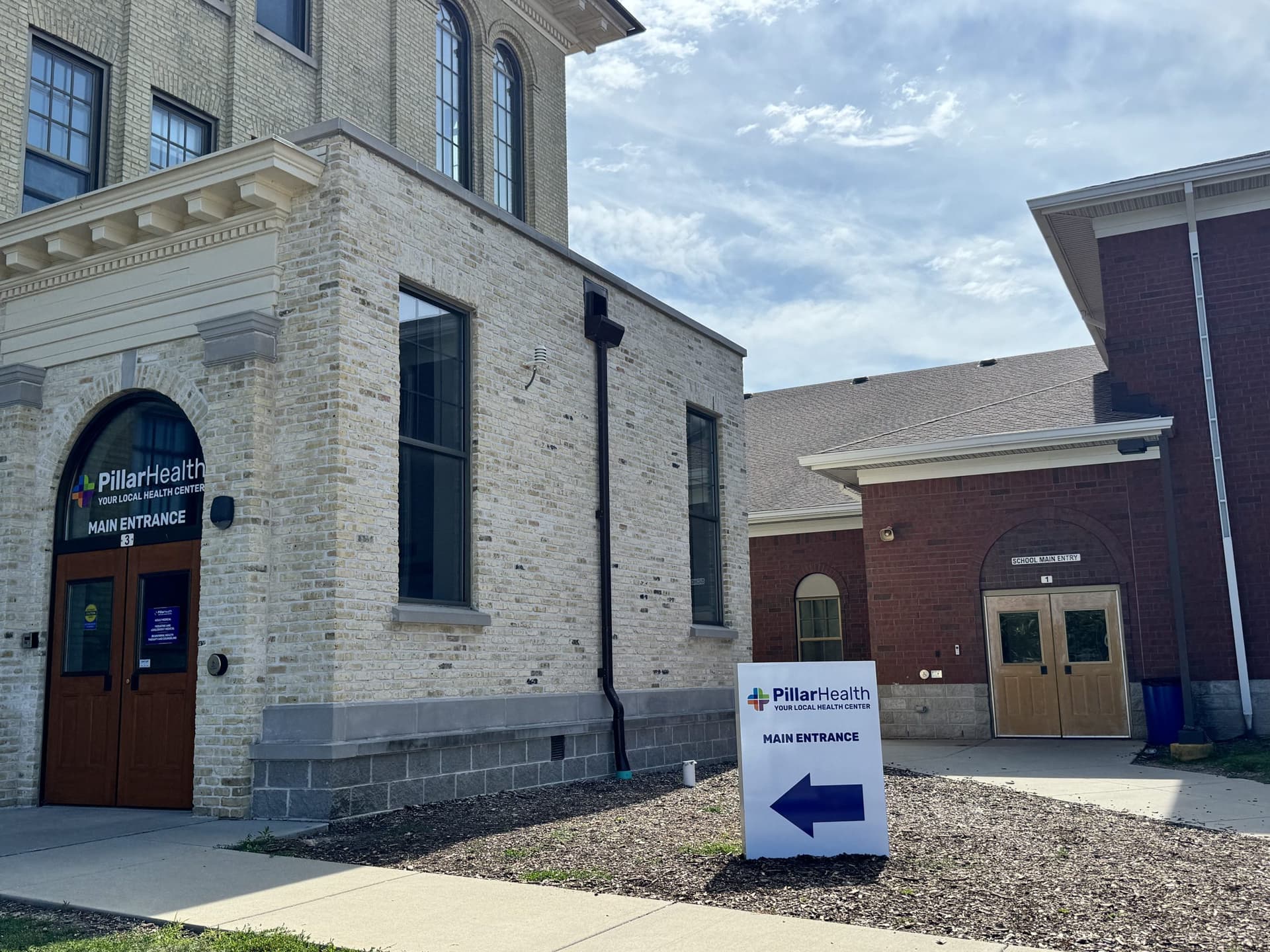
The City of Racine is already home to two Federally Qualified Health Centers (FQHC), and the assessment notes those locations at the same time it highlights the need for increasing resources for them as well as free and charitable clinics, expanding navigator services (trained workers who help people find and access care), increasing school-based services including preventive dental and vision care, and scaling up community worker programs.
On dental health specifically, the plan calls for engaging dentists to increase acceptance of BadgerCare Plus members.
Wisconsinites dying younger, mental health care out of reach
Statewide, 1 in 5 Wisconsinites report poor or fair physical health, and 1 in 7 report poor or fair mental health. Wisconsinites are also dying younger than they did before the COVID-19 pandemic; early death rates remain above pre-pandemic levels.
Mental health care is a particular problem. In 2024, about 1 in 6 Wisconsin adults reported poor mental health on 14 or more days in the past month.
Among high schoolers in 2023, 59% reported at least one mental health challenge in the past year, but only 1 in 5 students with mental and emotional concerns said they usually got the help they needed.
The assessment wants to center and increase mental health and substance use services in schools and other community settings, improve telehealth mental health services, increase funding for peer support programs, and reduce stigma through community education.
For young people specifically, the plan calls for identifying and supporting students at risk for self-harm and ensuring school staff are trained in suicide prevention response.
Opioids continue to take lives. While non-fatal overdose rates have declined from pandemic-era peaks, 817 Wisconsinites died from opioid-related causes in 2024 alone.
Harm reduction programs including syringe service programs and fentanyl test strips, integrating substance use disorder treatment with primary care, and implementing housing-first policies for people experiencing addiction who are unhoused or at risk of becoming unhoused and included solutions in the assessment.
Across Wisconsin, nearly 35% of households cannot afford their basic needs, and approximately 1 in 4 households spend 30% or more of their income on housing. Renters face the steepest burden at 42.5%, more than double the 18.9% rate for homeowners.
The assessment addresses housing by calling for funding emergency rental and mortgage assistance programs, expanding state housing tax credits, and providing civil legal services to help renters facing eviction.
The state’s roadmap: SHIP benchmarks through 2027
The 2025 SHA serves as the foundation for Wisconsin’s next State Health Improvement Plan (SHIP), currently in development for the 2028–2032 cycle. The existing SHIP, covering 2023–2027, set measurable targets tied directly to the issues listed in the new assessment.
Under the current plan, the state wants to decrease the percentage of households spending 30% or more of income on housing (baseline: 26.2% in 2021); decrease the percentage of children living below the poverty line (baseline: 13.4%); increase homeownership rates (baseline: 68.1%); and decrease the percentage of adults who skipped needed medical care due to cost (baseline: 6.9%).
On mental health, the SHIP set a target to decrease the percentage of adults reporting 14 or more poor mental health days per month (baseline: 13.6% in 2021) and to decrease the percentage of children ages 3 to 17 who needed but faced barriers to mental health care (baseline: 57.4%).
The 2025 SHA’s release precedes the process of developing the 2028–2032 SHIP.
“Together, our data and the insights directly from Wisconsinites continue to tell us a powerful story: That good health is not as simple as making ‘the right’ choices or going to the doctor alone,” said Paula Tran, state health officer. “The real story is that, for far too many people across Wisconsin, making the healthy choice or adopting a healthy behavior is far too difficult, or out of reach entirely.”
The full 2025 State Health Assessment is available at the Wisconsin Department of Health Services website.


