
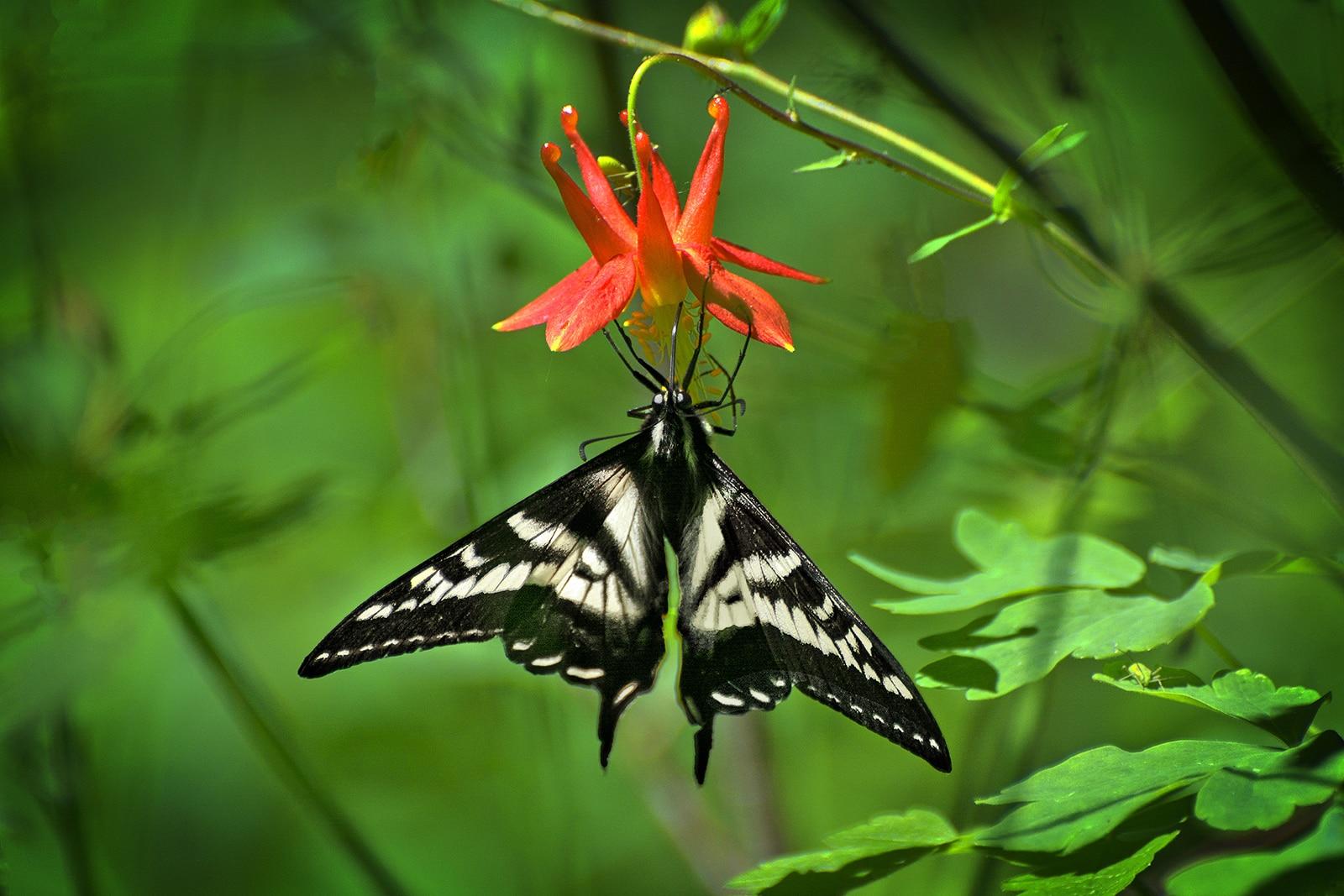


Until now, some of America’s most beautiful and special places have been protected as “national monuments”—places where mining, logging for commercial purposes, new grazing or other development are generally prohibited.
But President Trump’s Interior Secretary Doug Burgum says the administration is reviewing the future of all national monuments. The White House has issued a series of executive orders directing all federal agencies to prioritize the profits of logging, mining and oil and gas companies over conservation of public lands. Earlier this year, the Trump administration proposed a 75% reduction in the conservation lands system of the U.S. Bureau of Land Management (BLM)—the agency that oversees many of our national monuments.
On May 18, the U.S. Senate approved along party lines the nomination of 78-year-old former U.S. Representative Steve Pearce to lead the BLM. Before becoming a member of Congress, where he enjoyed the financial backing of the oil and gas industry, Pearce made millions providing services to corporations in the oil business. As a congressman, he co-authored a letter to Trump that called for abolishing or drastically reducing many national monuments. He is now responsible for administering the same public lands he doesn’t think should be protected.
Preserving beauty and biodiversity
For 20 years, I’ve been hiking in and photographing the Cascade-Siskiyou National Monument in southern Oregon and northern California. More than 130 of those photographs are included in my recent book Monumental Beauty: Wonders Worth Protecting in the Cascade-Siskiyou National Monument. One hundred percent of the book’s proceeds support local grassroots organizations defending this 114,000-acre monument, the only one set aside for its biodiversity.
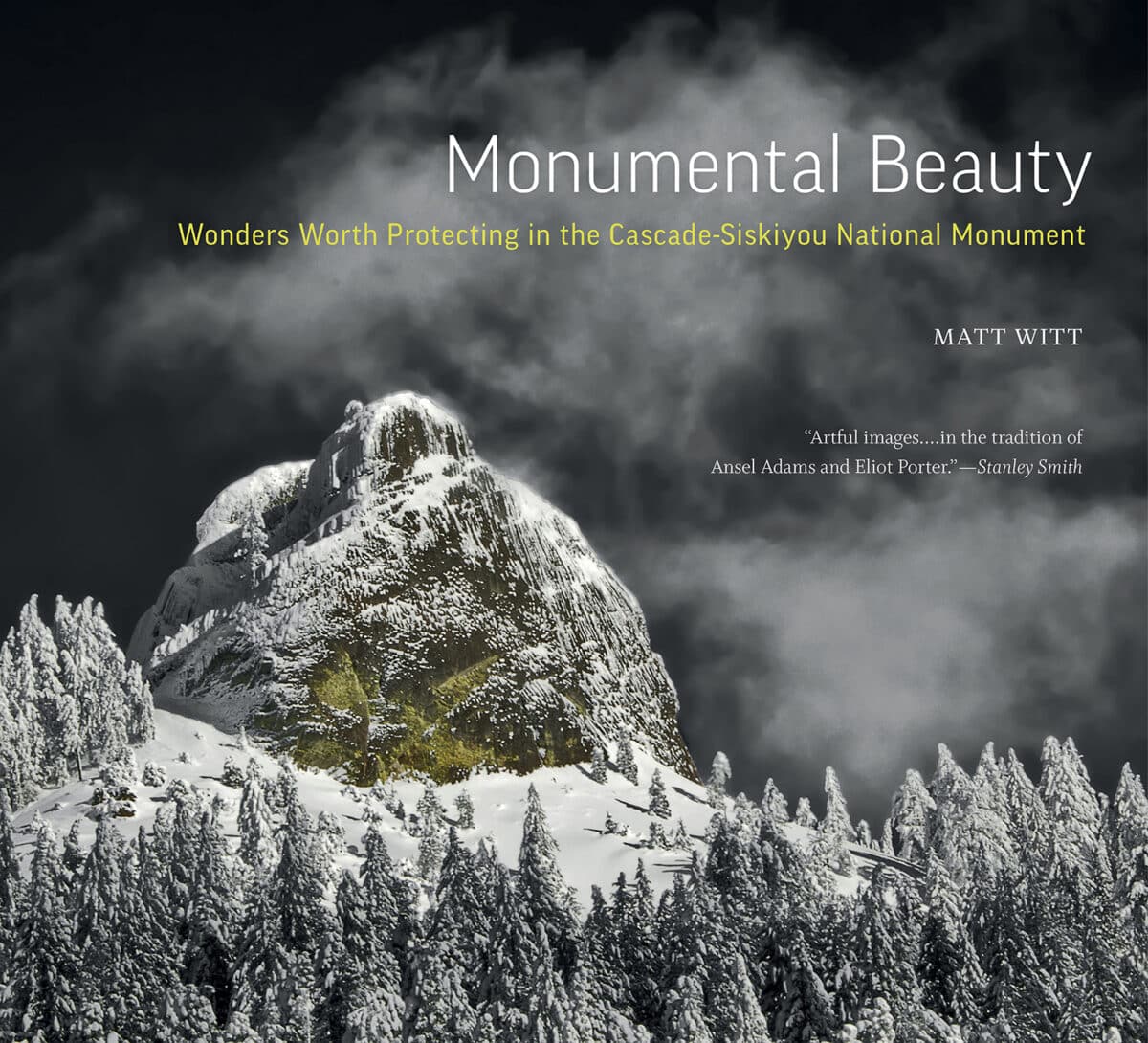
The monument connects multiple ecosystems, including ancient mountains (the Siskiyou and Klamath), younger volcanic formations (the Cascade Range), and the Great Basin. The monument includes Pilot Rock, a peak that was formed by volcanic activity 25 million years ago.
This geological crossroads mingles more than 3,500 different plants and mammals, invertebrates, insects, reptiles, birds and other living beings. Some of these species are rare or endemic—meaning they can be found nowhere else on Earth and depend on the ecological integrity of their surroundings to survive.
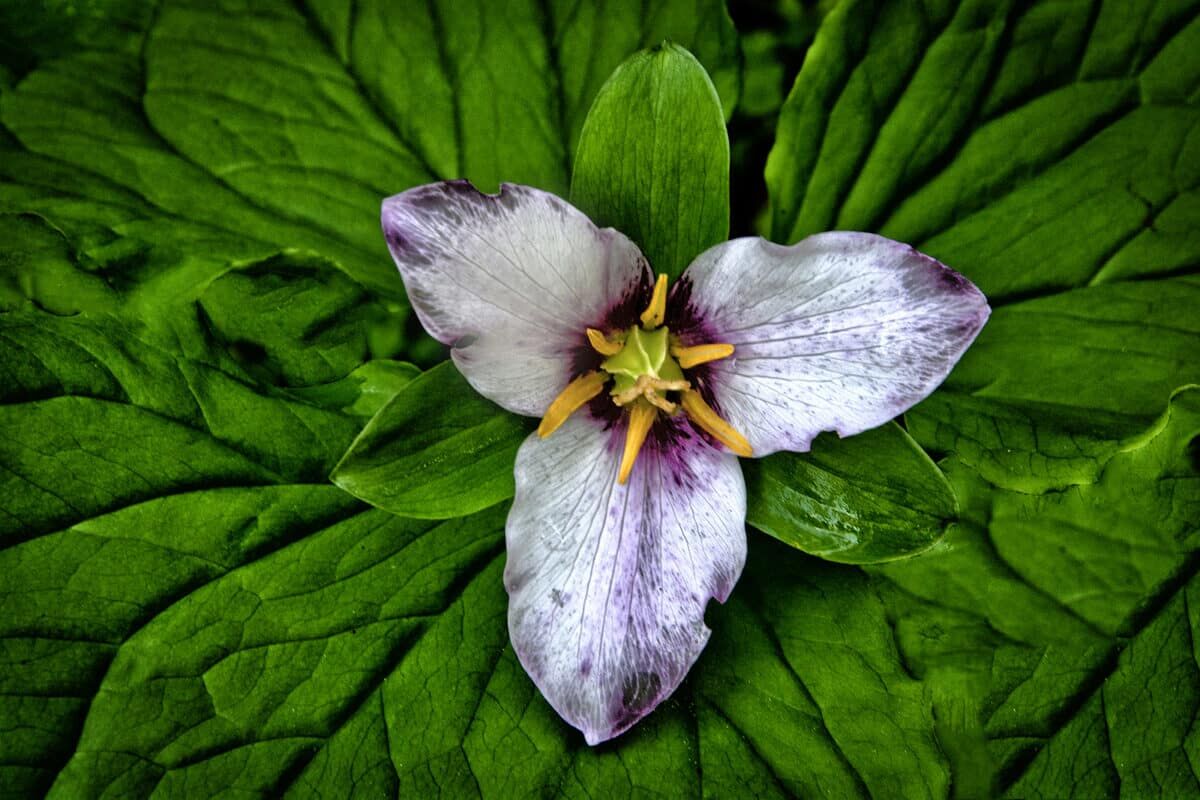
Western trillium flowers start out white and turn purple as they age. Ants take the seeds to their nests and “plant” them, helping trillium spread to new ground.
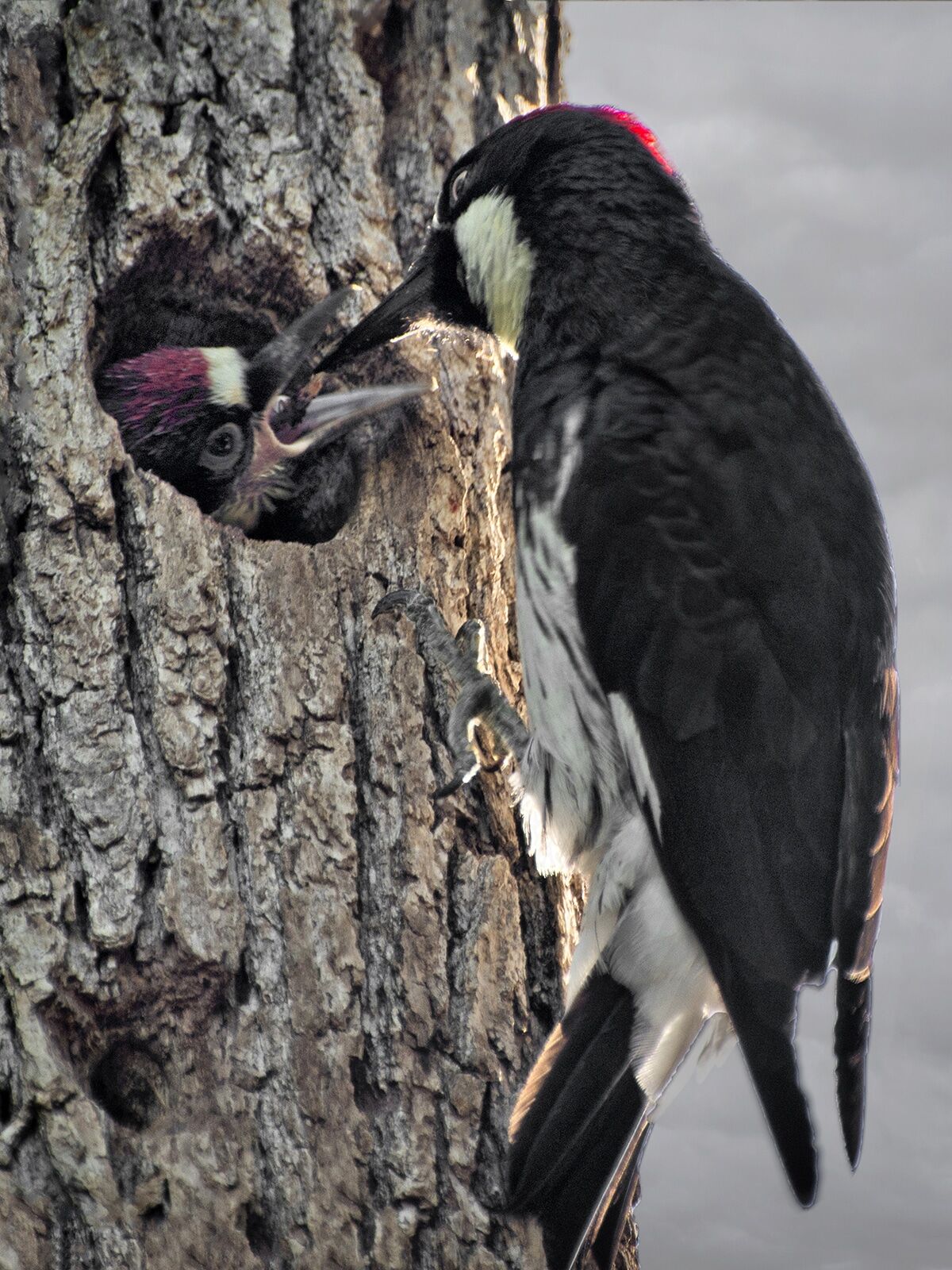
At least 209 species of birds like these acorn woodpeckers have been documented in the Cascade-Siskiyou National Monument.
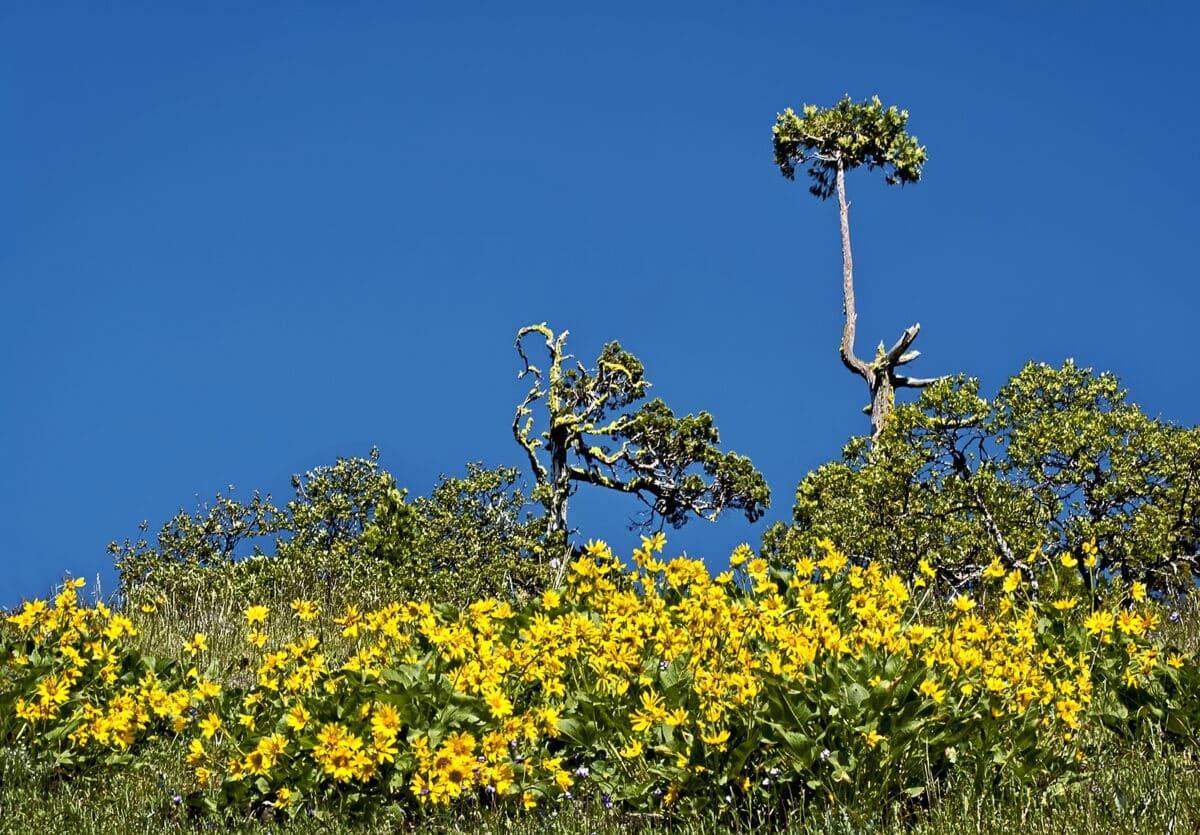
Wildflowers like these balsamroot and trillium attract pollinators in the monument.
At least 130 species of butterflies and 209 species of birds thrive here. In spring and summer, the glow of richly colored wildflowers attracts colorful pollinators. You might see a gray fox or bluebird or black bear or pygmy-owl or a gray wolf or mountain lion looking for deer. Old-growth sugar pines, incense cedars, junipers, ponderosa pines, oaks, madrones, Douglas firs, and many other tree species stand tall, some with trunks so big you cannot stretch your arms around them.
Three species of fish isolated in the Jenny Creek watershed from the Klamath River by a waterfall estimated to be five million years old, are believed to have existed here since the end of the Ice Age about 11,000 years ago.
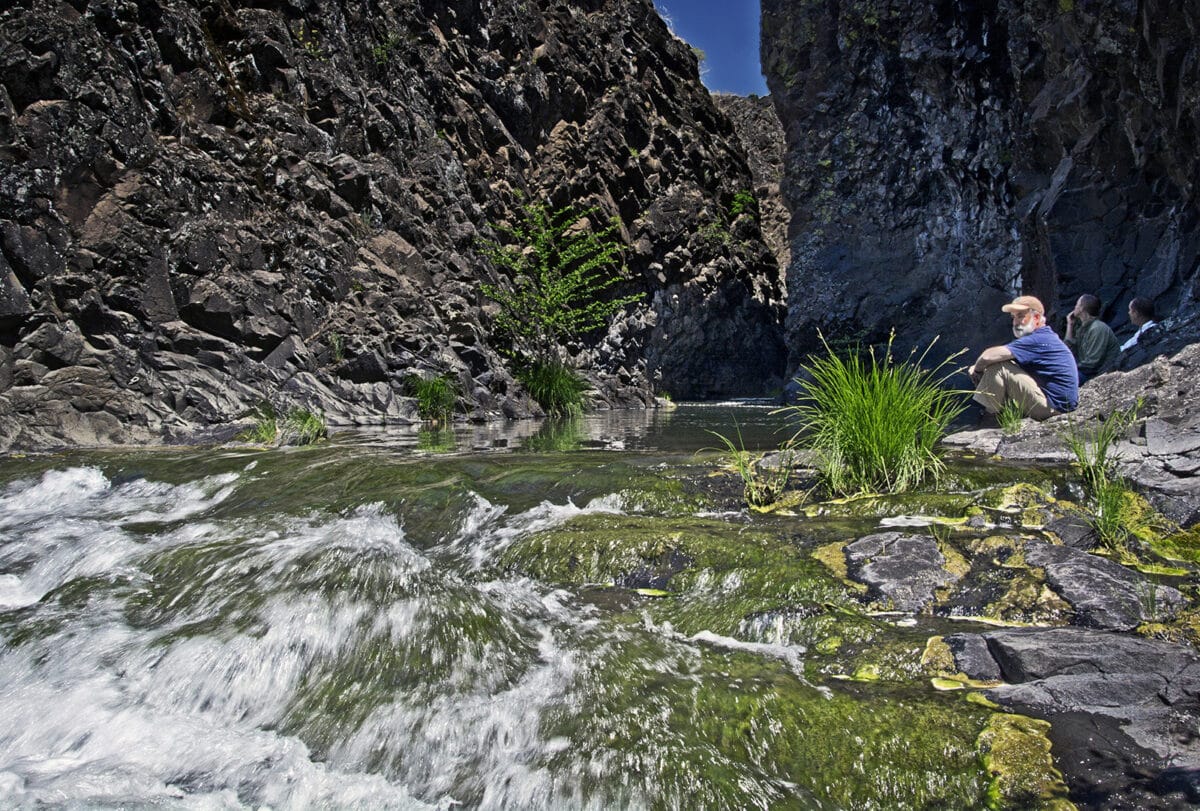
Precarious cliffs and the Pacific Crest Trail provide views of 14,000-foot Mount Shasta; other peaks like Mount McLaughlin and Mount Ashland; and the Marble Mountain, Mountain Lakes, and Trinity Alps Wilderness areas. It’s enough to make one marvel at the breathtaking diversity of nature’s beauty—and understand why so many people have organized for so long to protect it.
Decades of community organizing
Klamath, Takelma, Shasta, and Latgawa people have lived in the area since time immemorial, their lives organized around seasonal cycles of tending and harvesting plants and animals. Evidence of their presence dates back at least 10,000 years, and the Cascade-Siskiyou monument includes many traditional ceremonial and archaeological sites.
In the 1850s, the opening of the Oregon Trail and the gold rushes in California and Oregon brought an invasion of European American settlers, who began large-scale logging and mining operations. The U.S. government forced tribes off their ancestral lands and marched some of them 263 miles north to a newly created reservation in what became known as Oregon’s Trail of Tears.
Grassroots efforts to protect these lands began more than 40 years ago. Conservationist Dave Willis and other organizers took federal and state policymakers into the mountains to see the biodiversity for themselves. Scientists meticulously assembled data about the species that live there and their need for protected habitat. Voters wrote letters to their representatives.
In 2000, the Clinton administration responded by designating part of the area as a national monument. To further the effort, Willis and others helped arrange the buyout of about 68,000 acres of grazing leases.
In the intervening years, protecting this special area became even more important as intensifying climate change meant increased threats posed by fire, insects, disease, invasive species, drought or floods.
In 2016, local advocates mobilized public support for expansion of the monument, resulting in official endorsements from the city councils of nearby towns who recognized both the ecological and economic value of protecting the land.
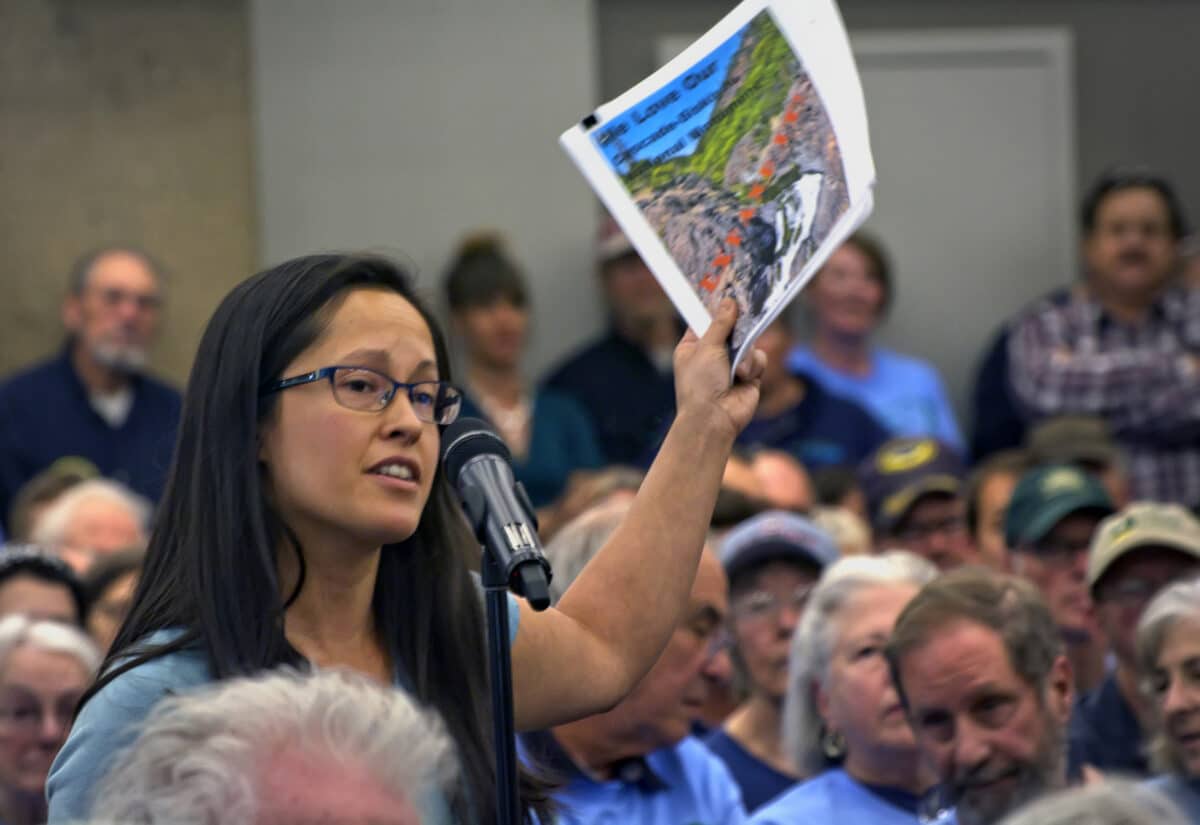
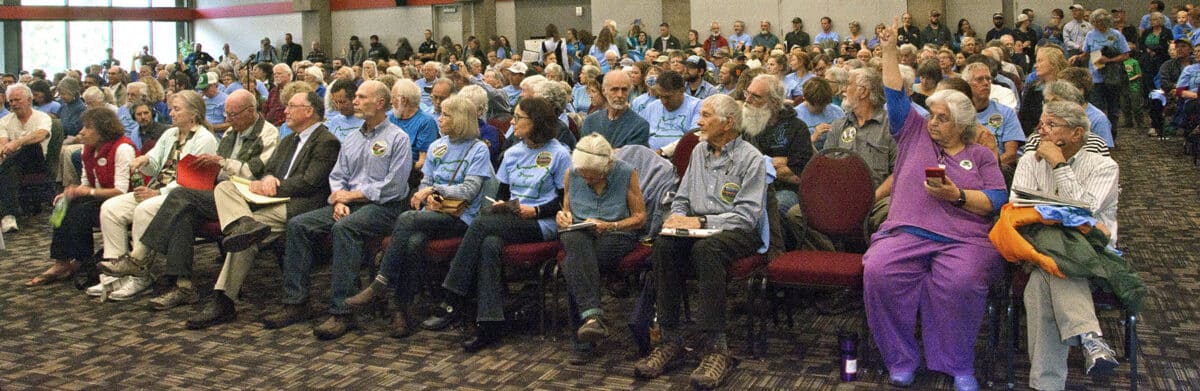
More than 500 local residents from small towns and rural areas turned out for a public forum in support of expanding the Cascade-Siskiyou National Monument, including former Klamath Tribes chair Don Gentry, scientist Pepper Trail, and local conservationist Jeanine Moy.
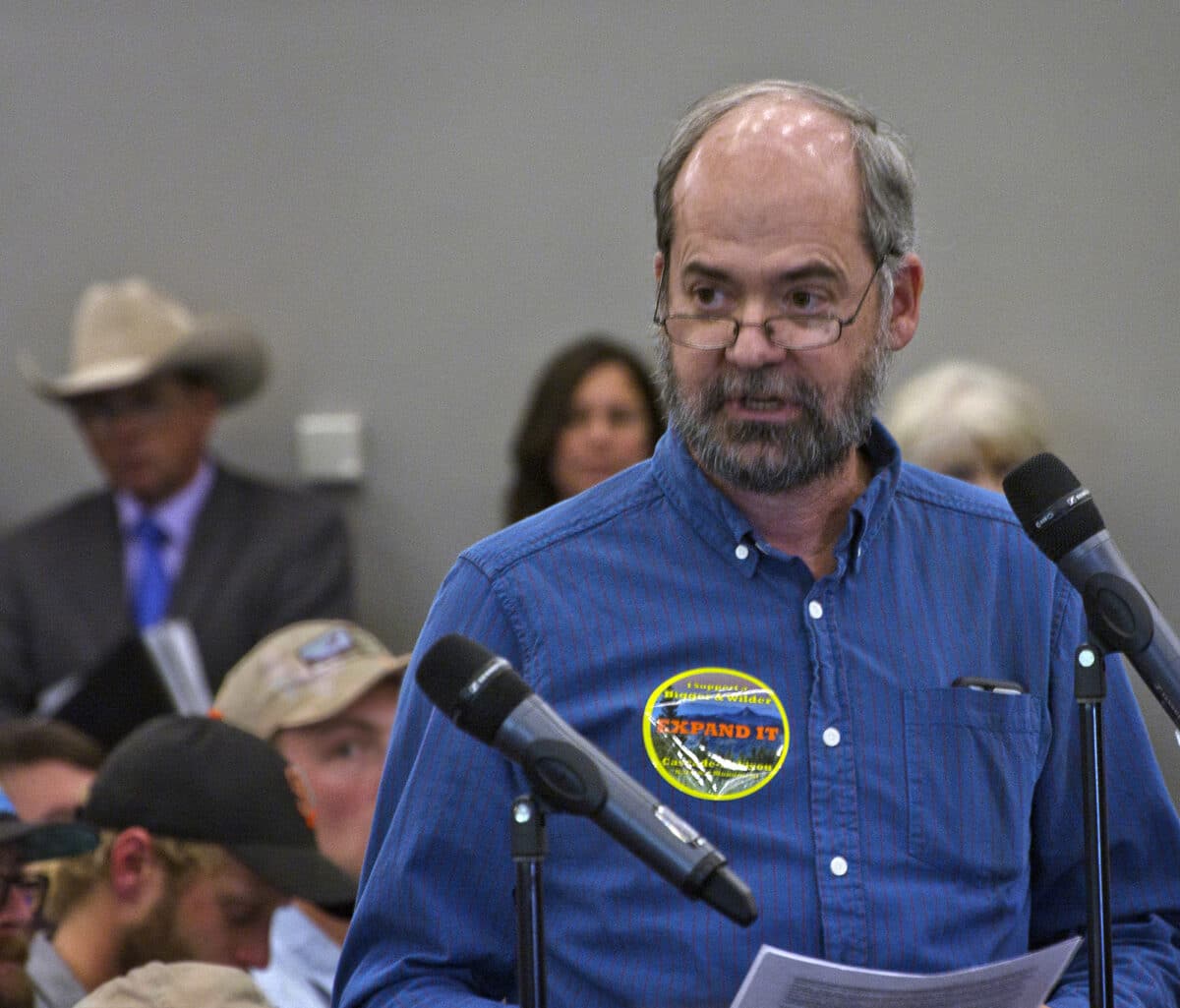
“By expanding this national monument,” said Mayor Darby Ayers-Flood of the town of Talent, “we can not only help mitigate the effects of climate change, but also benefit our local tourism and recreation industry that serves as an integral part of our economy.”
Local artists and writers also pitched in, creating photographs, paintings, poems, and other works that highlighted the beauty protected by the monument.
Governors and U.S. Senators Jeff Merkley (D) and Ron Wyden (D) heard all these voices and added their support.
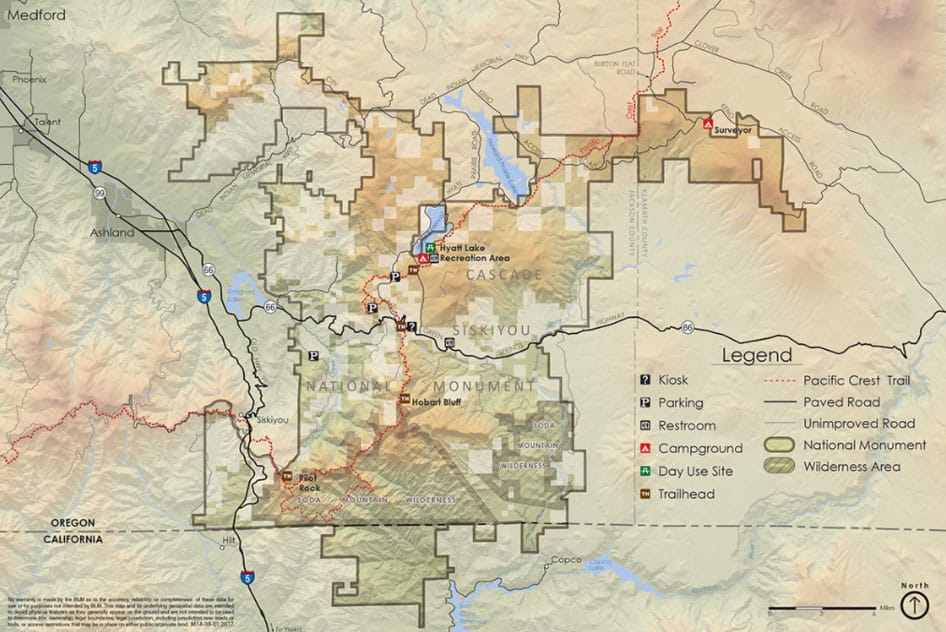
In January 2017, the Obama administration responded to this continued local organizing by expanding the monument to approximately 114,000 acres, covering areas that President Clinton had not included. The logging industry filed lawsuits against the expansion but the particular legal theory they pursued was rejected by lower courts, and in 2024 the U.S. Supreme Court declined to hear their case.
A fox now guards the henhouse
Under the Antiquities Act of 1906, 18 presidents, including both Republicans and Democrats, have designated 168 national monuments for protection. But with Pearce now in charge, communities in rural areas and small towns across the U.S. will need to continue to organize to protect our national monuments and other public lands.
These include such treasured national monuments as Bandelier and Organ Mountains in New Mexico; Chiricahua and Organ Pipe in Arizona; Canyons of the Ancients in Colorado; Craters of the Moon in Idaho; Muir Woods, Giant Sequoia, and Devils Postpile in California; Gold Butte in Nevada; Oregon Caves in Oregon; Bears Ears and Grand Staircase-Escalante in Utah; Upper Missouri River Breaks in Montana; Devils Tower in Wyoming; and San Juan Islands in Washington, to name a few.
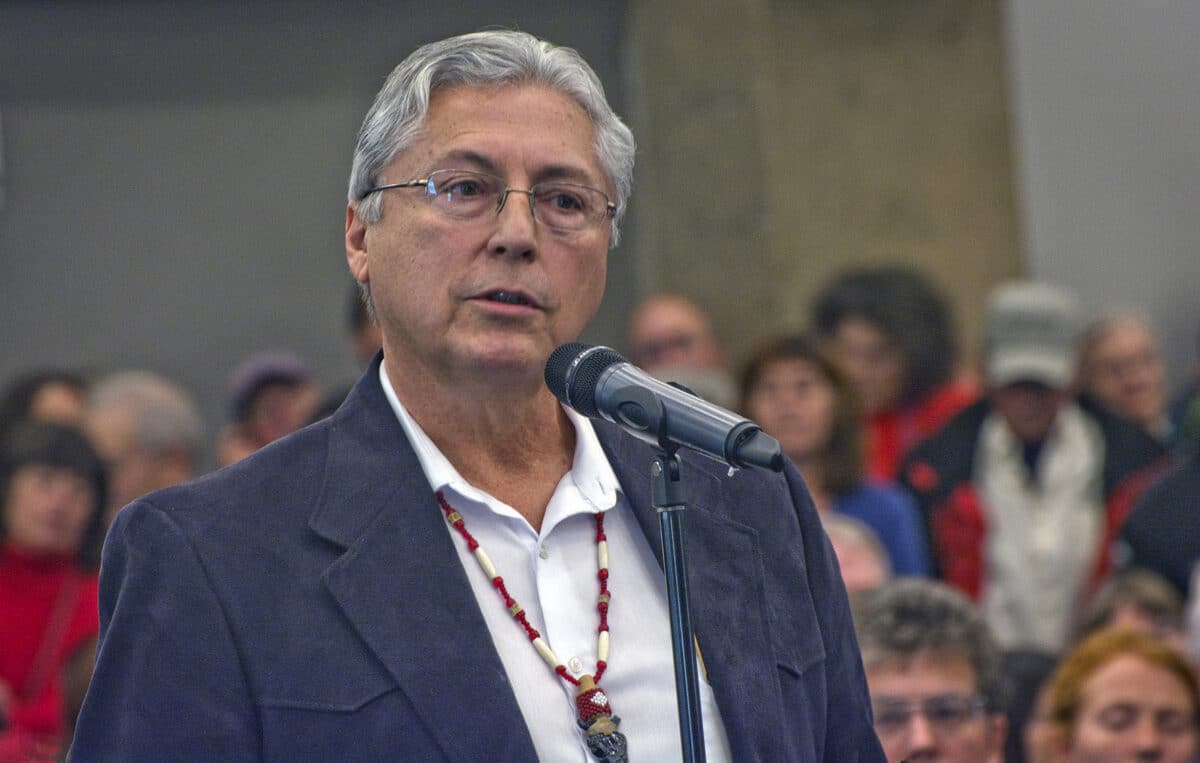
As Don Gentry, former chair of the Klamath Tribes, wrote in the foreword to the book Monumental Beauty, in his culture “we have a saying that if you harvest berries from a bush, you don’t take them all, and if you collect duck eggs to eat, you leave some so there will still be duck eggs in the future.”
“Today,” he added, “protection of the land is urgent as climate change puts our watersheds and forest, and even our homes and our culture, at risk.”
Matt Witt, a writer and photographer in Talent, Oregon, is editor of World Wide Work, which may be found online at MattWittPhotography.com. His books include Monumental Beauty: Wonders Worth Protecting in the Cascade-Siskiyou National Monument, Make Holidays Your Own: Celebrate Holidays Throughout the Year in More Meaningful and Inclusive Ways, and In Our Blood: Four Coal Mining Families. He directed the documentary film, “$4 a Day? No Way!” about organizing across borders by workers in Mexico, the U.S. and Canada. He has been selected as Artist in Residence at Crater Lake National Park, Cascade-Siskiyou National Monument, Absaroka-Beartooth Wilderness Foundation, Mesa Refuge, PLAYA at Summer Lake, and as an Artist in Partnership with the Vesper Meadow Education Program.
Have thoughts or reactions to this or any other piece that you’d like to share? Send us a note with the Letter to the Editor form.