
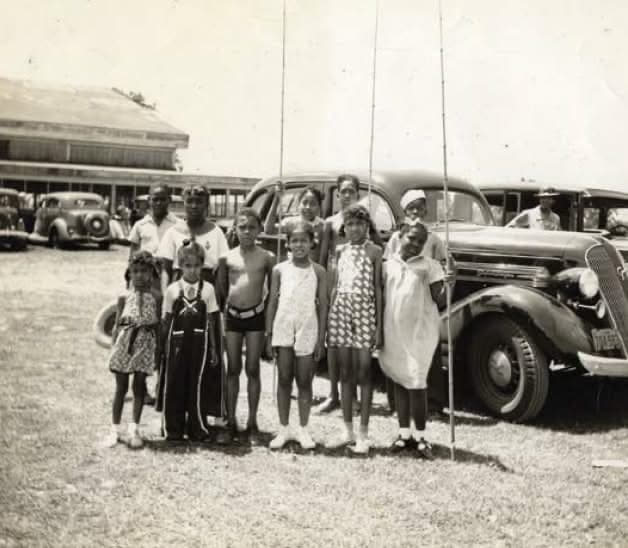
Source: Wisconsin Historical Society

May 1, 2026, 11:02 AM CT


Share
Founded in 1926, Lake Ivanhoe emerged as a premier resort community for Middle class Black families seeking relief from both Southern racism and Northern discrimination. As a Black-owned retreat, it offered a welcoming space where families could vacation, camp, and enjoy the outdoors safely and in peace.
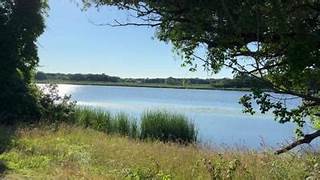
(Photo/Gwen Jones)
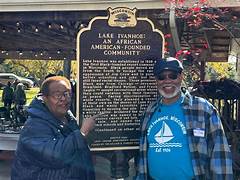
Located in Walworth County, approximately 45 miles southwest of Milwaukee, the property was originally envisioned as a “Black mecca” in the Midwest. Today, Lake Ivanhoe is recognized with a state historical marker honoring its legacy as Wisconsin’s first Black-founded community.
Lake Ivanhoe was founded by three prominent Black men from Chicago: Jeremiah Brumfield, Frank Anglin, and Bradford Watson in 1926.
“When your peer group is doing something cool, you naturally want to be part of it too. But while their white counterparts were vacationing in Lake Geneva, they faced discrimination when they tried to do the same. They weren’t allowed to stay,” said Gwen Jones, chair of the LIPOA Centennial Planning Committee.
Brumfield, Anglin, and Watson joined forces and decided to create their own vacation resort. They secured investors and enlisted white real estate broker Ivan Bell to negotiate the purchase of an 83-acre farm on Ryan Lake, which they developed into a resort community for middle-class Black families known as Lake Ivanhoe.
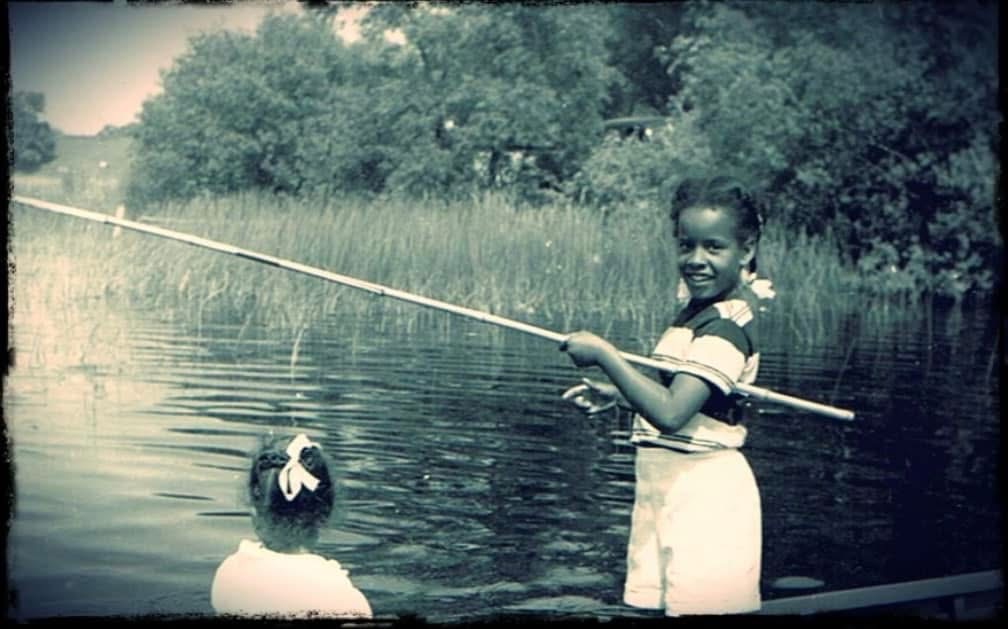
Lake Ivanhoe served as a resort town where residents could fish, swim, and socialize without fear of discrimination, acting as a refuge during the era of “sundown towns”. In addition to private lots for cottages and summer homes, the resort featured beautiful scenery, great fishing, and a music pavilion.
The music pavilion opened in 1927, featuring renowned bandleader Cab Calloway as the headlining performer at its debut.
The founders carved out lots and named streets after historical Black figures and institutions, such as Douglass Avenue, Phillis Wheatley Drive, Howard Drive, and Tuskegee Drive.
“I grew up there, but I was originally from Chicago. I still have property in Lake Ivanhoe. Back in the day, there was no Black History week or month, but being at Lake Ivanhoe was like stepping out in Black History everyday you left your house, and it was a very close community,” Jones said. “The original residents used it as a resort, but over time it morphed into a year-round neighborhood, and that’s how I knew it.”
Like many Black-founded communities, Lake Ivanhoe did face the impact of racism. During the Great Depression in 1929, the community struggled. In 1932, former Chicago Bears player Edward Sternaman, a white investor, began purchasing unsold property with plans to convert the area into a segregated, whites-only resort. He erected fences to block residents from accessing the beach and park.
Handling business for the resort, Founder Jeremiah Brumfield, an attorney, filed a civil lawsuit in 1934. A Walworth County judge ruled in favor of the Black community, finding that the lakefront and parks must remain collectively held and open to all residents, forcing Sternaman to remove the fences and leave, ensuring the beach and parks remained public for all residents.
After World War II, Black families continued to move to the area. By the 1970s, it had evolved into a year-round community for families like Jones’s as she was growing up.
In the 1990s, a government-backed housing initiative introduced sweat equity homebuilding programs, and many current residents purchased property from descendants of the original families. Over time, this shifted the makeup of Lake Ivanhoe, and it is no longer a predominantly Black community.
The historic significance of the Lake Ivanhoe community will be recognized on July 24 and July 25, 2026.

(Photo/Gwen Jones)
The centennial celebration is open to the public and will feature food, drinks, games, music, and a historic exhibit. The program will also include a keynote address from award-winning broadcast journalist, historian, and community leader Clayborn Benson.
“For the future of Lake Ivanhoe, I hope young people can see the benefit in living somewhere not congested and living where you can unwind,” Jones said.
For more information, go to Lake Ivanhoe on Facebook, and tickets for the centennial are available to purchase beginning Monday, 5/4, at Eventbrite.

Karen Stokes is a Milwaukee-based freelance journalist with more than 16 years of experience reporting on local and national politics, as well as community interest stories that highlight culture, social issues, and civic engagement for local, regional, and national publications.
Want More Local News?

Civic Media
Civic Media Inc.
The Civic Media App
Put us in your pocket.
