
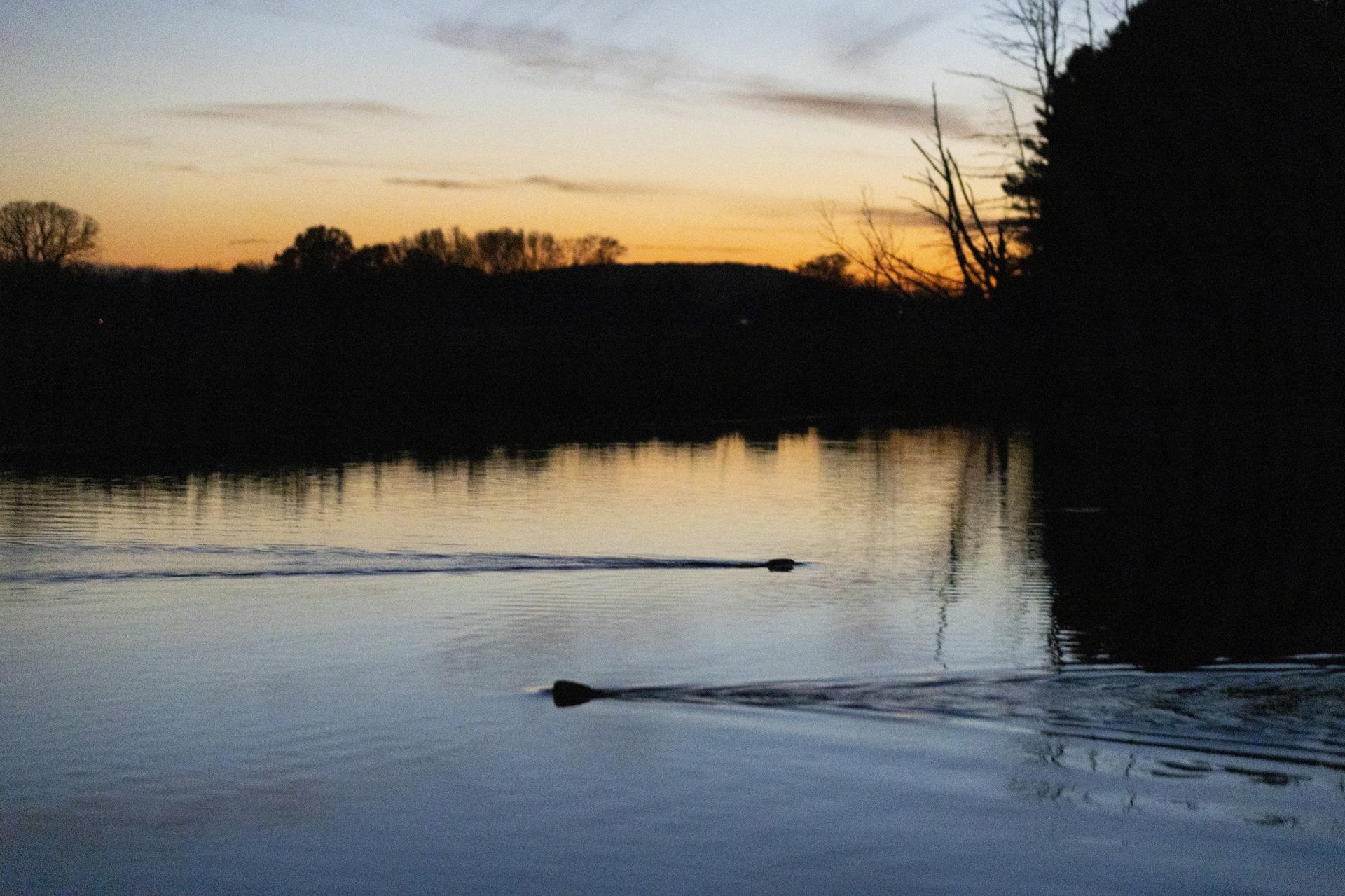


Beavers have been in the news these past few months in a variety of ways. The latest Pixar movie, “Hoppers,” features an animal lover who “seizes an opportunity to use a new technology to ‘hop’ her consciousness into a lifelike robotic beaver and communicate directly with animals.”
The filmmakers worked with a University of Minnesota ecohydrologist, Dr. Emily Fairfax, as a science expert, even naming a key character for her (Dr. Sam — for Samantha Emily Fairfax), per Minnesota Public Radio. She visited the studio several times and led a research trip to Colorado to help the team learn more about beavers and their habitat.
In that MPR story, Fairfax said Pixar did a good job showing how beavers can improve ecosystems with their dams.
“When you lose that beaver, you also lose the homes for the other animals, and I think that’s a message that not everybody really understands,” she told MPR. “If you trap a beaver out, if you remove its dam, you will take away a lot more than just the beaver from that ecosystem, whether you meant to or not.”
She also spoke to the question of beavers as a nuisance or pest, a topic I’ve been reporting on for a few years now and interviewed her about for a recent story.
Researchers have identified Wisconsin as being among the top 10 states for biodiversity loss, largely due to climate change and animal overexploitation. But a vocal minority serving on a beaver advisory committee that is drafting recommendations for the state’s Department of Natural Resources believes it’s time for a change: Beavers should cease to be framed as a nuisance species and instead as an ecosystem engineer that creates wetlands. That can help reduce some of the worst effects of climate change: droughts, floods and fire.
The U.S. Department of Agriculture’s wildlife services program lethally removes beavers in Wisconsin and other states throughout the Midwest. In Wisconsin, wildlife services staff trapped about 2,200 beavers in 2025 and removed more than 800 dams.
The majority of beaver committee members — mostly composed of state and federal employees and interest groups — support the status quo. Those who do not have criticized the committee as stacking the deck against people who would advocate for substantive changes in policy. This makes, they say, the outcome a seemingly foregone conclusion. Some committee members have said a survey released to gauge the public’s tolerance of the critters frames beavers as pests and fails to mention the effectiveness of coexistence methods.

As Wisconsin Watch previously reported, the state has an arduous and often expensive permitting process to install flow control devices that can lower water levels in beaver ponds or prevent the blockage of culverts. That can usher landowners toward lethal solutions, the use of which Wisconsin law liberally allows.
People may hunt or trap beavers and remove their dams on their property without obtaining a license or reporting their catch. In fact, there are risks to ignoring one’s beavers.
People who own or lease beaver-occupied land and don’t allow their neighbors to remove them are liable for damages. Additionally, if a beaver dam causes damage to a neighboring property, the injured party may enter the property where the dam lies and remove it without being charged with trespassing.
Committee members petitioned to have Fairfax address the group. She stressed beavers’ role as a “keystone” species, on whom many plants and animals depend.
“It is harder to coexist,” she said. “But in many cases, it is worth it.”