
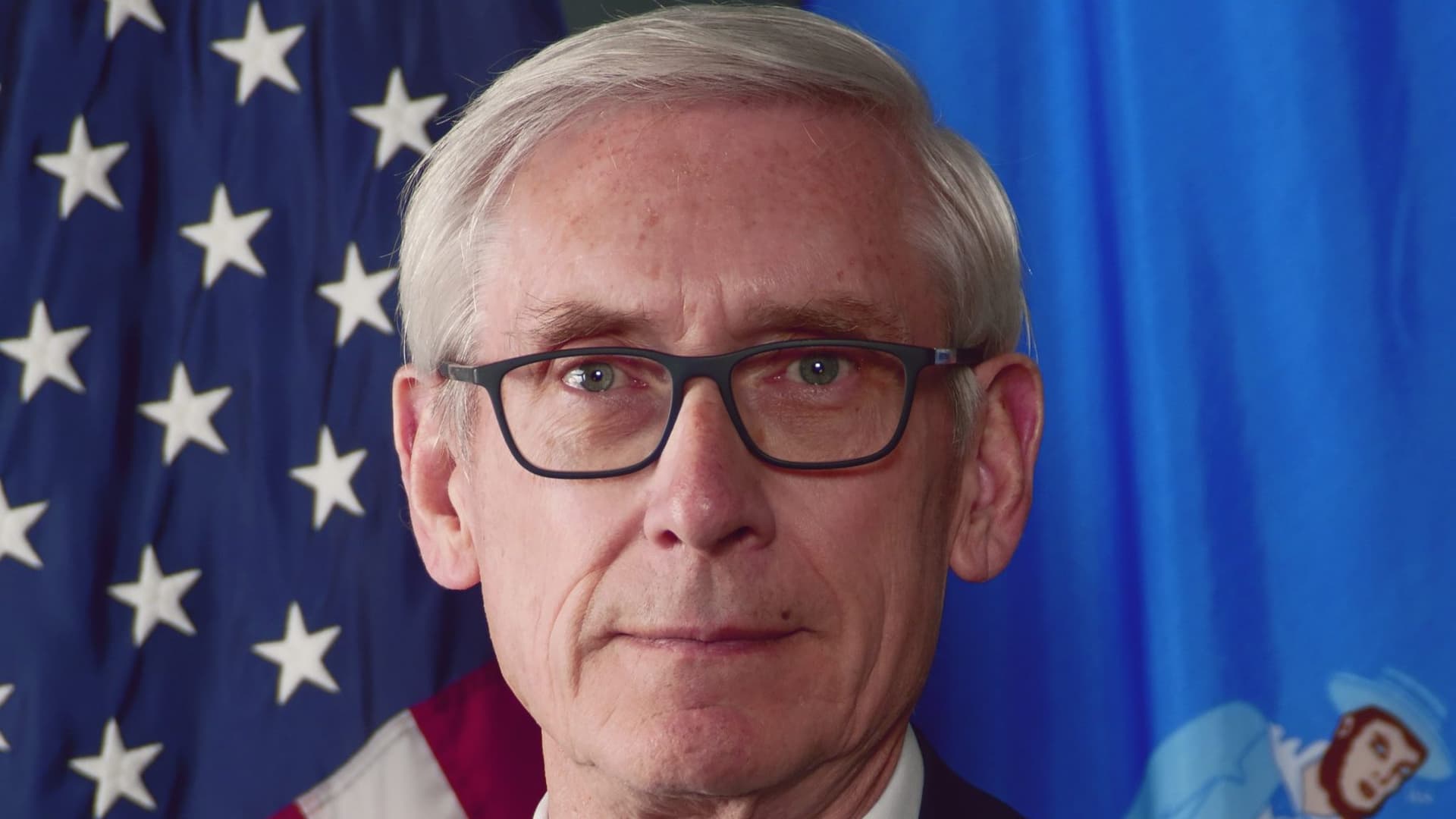
Gov. Tony Evers continues criminal justice reform legacy by restoring commutations in Wisconsin

Apr 10, 2026, 11:59 AM CT


Share
Continuing a run of being one of the most pro-criminal justice reform governors in Wisconsin’s history, Tony Evers is restoring the commutation process in the state.
It was a long time coming for those closely involved in the incarceration system in Wisconsin, one of the most congested institutions anywhere in the country that is particularly affecting Black Milwaukeeans.
But there is also sentiment in the community that some incarcerated people are beyond reform, said Shannon Ross, a formerly incarcerated Milwaukee native that is still on parole.
Ross was 19 years old when he was sentenced to 17 years for reckless homicide. He found he wanted to change while in prison, started a newsletter and became an advocate for the formerly incarcerated once released in 2020.
He understands how much Evers’ actions can help people receive a second chance at life while still facing systemic issues.
Ross cites the appointment of Adam Procell to Milwaukee’s Community Wellness and Safety by the mayor. Procell was convicted of homicide as a teenager but appointed to the position as a chance for redemption. Ross argues the stigma with the formerly incarcerated was still strong in the community.
“There were a lot of folks who had no problem showing their bias against the person that had been convicted of a violent crime,” Ross said. “And a lot of comments were hurled at him from supposed allies, from the Black community, from people who you would think understand the connectivity between attacking (Procell) and his crime, and how that actually then is gonna have more of an impact.
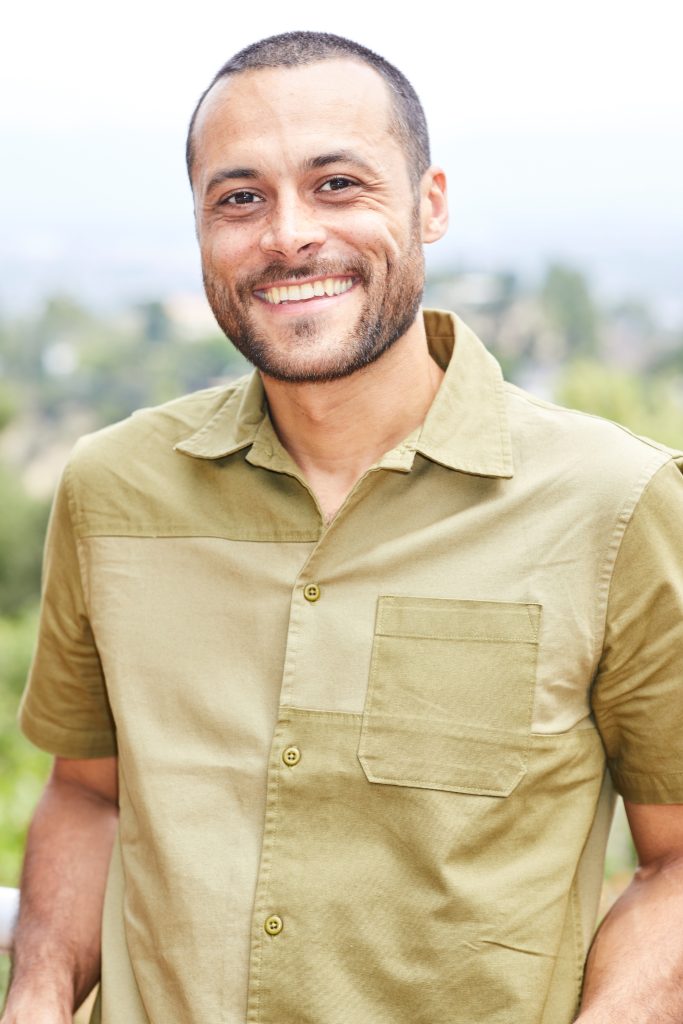
“It’s an expression of the negative sentiment that’s in the Black community towards an issue that affects the Black community more than anything.”
However, Procell was forced to resign because the state constitution bars people with felonies from serving as department heads.
Wisconsin currently imprisons more than 23,000 people and another 64,000 are on probation or parole. A 2021 report from The Sentencing Project found Wisconsin incarcerates Black people at a higher rate than any other state.
Evers’ first executive order gives incarcerated people a second chance
Evers, who reinstated Wisconsin’s pardon process and has since issued a record-breaking 2,000 pardons, signed two executive orders on commutations on April 3.
“It’s time for Wisconsin to join red and blue states across our country and finally move our justice system into the 21st Century by reforming our criminal justice and corrections systems to improve public safety, reduce the likelihood that individuals will reoffend when they enter our communities, and save taxpayer dollars in the long run. Issuing official grants of forgiveness through pardons has been one of the most rewarding parts of my job as governor, and I’m looking forward to restoring the commutations process in Wisconsin for the first time since Tommy Thompson was governor,” said Evers in a statement.
Evers said in the absence of a state Legislature unwilling to take action on criminal justice reform, he must do something to address a prison population that continues to “skyrocket.”
“The Legislature must start working toward making long-term justice and corrections reforms a priority,” the governor said.
With the first executive order, Evers is creating a Commutation Advisory Board that will review cases. Those with convictions in the following categories will not be eligible:
- Sexual assault
- Physical abuse of a child
- Sexual exploitation of a child
- Trafficking of a child
- Incest
- Soliciting a child for prostitution
Survivors, victims and their families will also have a chance to provide input.
“I feel like victims get an unfair deal in all this. I believe we need to do a better job with them,” said Beverly Walker with WISDOM and the Integrity Center, two organizations that advocated for the return of commutations.
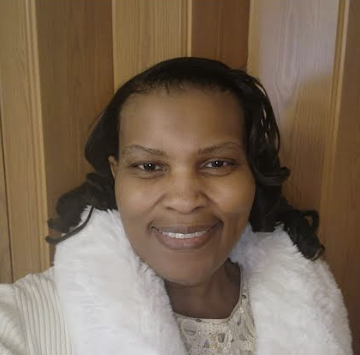
“Dumping information on victims on the worst day of their life and expecting them to remember it and then contacting them decades later when it’s time for someone to get out of prison is unfair. They deserve to be contacted more than once, checked on, programs, and although their feelings shouldn’t change when a person has earned their release, they still deserve to be notified and have time to process and to be heard.
“But this step is long overdue and I’m appreciative to the governor and his staff. I’m just really elated that this has happened.”
Evers’ first appointments to the board are his chief legal counsel, Mel Barnes, and a corrections veteran, Cindy O’Donnell. The governor will announce more members at a later date.
Evers’ second executive order gives incarcerated youth a second chance
The second executive order addresses incarcerated youth who were sentenced to life in prison.
“A growing body of neuroscientific and psychological research has demonstrated that an individual’s brain, behavior, and personality undergo significant changes throughout their teen years and into their twenties,” the order states.
Evers said the U.S. Supreme Court has ruled that youth sentenced to a mandatory life sentence without the possibility of parole is unconstitutional based on these scientific developments.
“Our criminal legal system isn’t working, and Governor Evers knows that. His actions … reinstate Wisconsin’s commutation process, form a new commutation advisory board, and establish a new commutation process specifically for children sentenced to life in prison, acknowledging the U.S. Supreme Court’s recognition that children have a great capacity for change and must be treated differently than adults,” the ACLU of Wisconsin said in a statement.
“These measures represent a step forward in providing incarcerated people with a meaningful pathway toward freedom.
“We thank the governor for taking this bold and long-overdue action. And we thank the organizations and Wisconsinites who work tirelessly each and every day to fight for people impacted by the carceral system.
“Clemency is an invaluable tool to correct the mistakes and injustices of mass incarceration. We urge the Governor to continue taking steps to address mass incarceration and unjust imprisonment.”
Over a year ago, Evers unveiled prison reform plans, including closing Green Bay Correctional Institution in 2029 and rehabilitating and transforming Waupun Correctional Institution, but he said Republican lawmakers have proposed no plan to improve public safety across Wisconsin, reduce short and long-term costs to taxpayers, lower rates of recidivism, support corrections staff, and stabilize the state’s skyrocketing prison population.
“I’m glad Evers kept his word,” Walker said. “But there is still so much left to do.”

Drake Bentley is an award-winning investigative journalist who has worked for the Milwaukee Journal Sentinel, Wisconsin State Journal, Newsweek, Heavy and The Sporting News. He is a northside Milwaukee native, former political staffer and graduate of the University of Wisconsin-Whitewater and the University of Nebraska.
Want More Local News?

Civic Media
Civic Media Inc.
The Civic Media App
Put us in your pocket.
