Source: Photo by Anna Tarazevich on Pexels

Feb 13, 2026, 10:39 AM CST


Share
Black History Month is a time to reflect on where we’ve been, what we’ve overcome and what our community deserves moving forward. It’s about honoring lives and protecting futures. For me, that includes talking honestly about health, especially when it comes to diseases that continue to take too many Black lives.
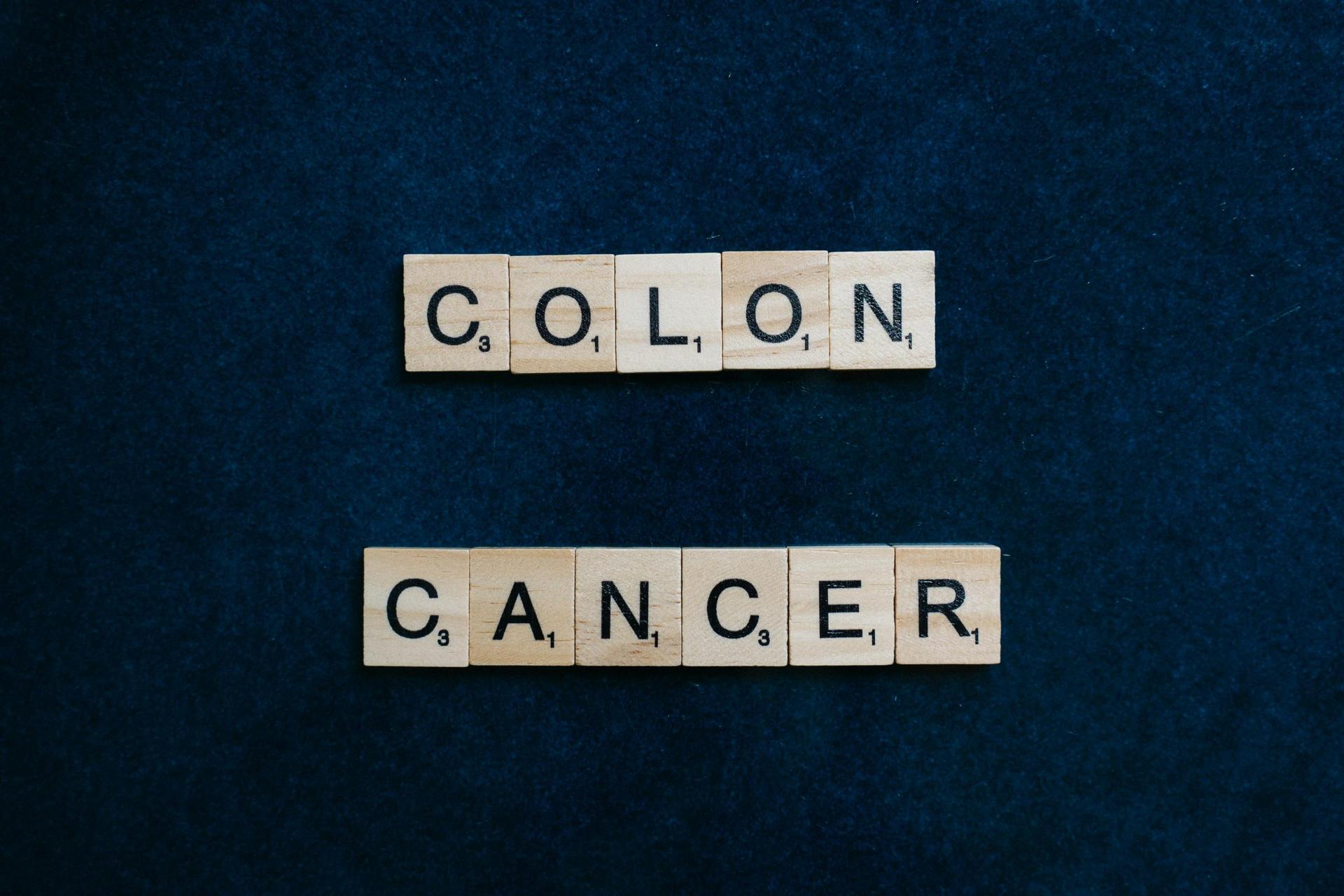
Throughout my career at the Greater Milwaukee Urban League and as a community activist, I have learned that community health and economic opportunity are deeply connected. When people have access to the tools they need, they are better able to care for themselves and their families. That is why colorectal cancer screening matters so much for our community.
For decades, African Americans have faced higher rates of colorectal cancer and higher mortality from this disease than other groups. Compared to White Americans, Black Americans have about a 15 percent higher incidence of colorectal cancer and a 35 percent higher mortality rate. That means more of us are diagnosed, and too many more of us lose our lives. We are also more likely to be diagnosed at younger ages and later stages of the disease, when treatment is more difficult and outcomes are worse.
Over the past 20 years, colorectal cancer screening rates among Black Americans have doubled, rising from 32 percent to 65 percent. But even with the improved screening rates, the mortality gap remains. These gaps exist not because of who we are, but because of the barriers we face, barriers we can help dismantle through awareness and access.
Traditional colorectal cancer screening can be hard to complete. It often requires preparation, time off work, transportation, and procedures that many people can find uncomfortable. For individuals working hourly jobs, caring for family members, or navigating limited healthcare access, these hurdles can delay or prevent screening altogether. These are not personal failures; they are systemic barriers. Removing those barriers means creating real options that fit into our lives.
That’s why newer screening options, including Shield, the first and only blood test approved by the FDA as a primary screening option for colorectal cancer for adults 45 and older at average risk, are an important inclusion in screening options. A simple blood draw during a routine doctor’s visit removes many of the obstacles that have kept people from getting screened. When screening fits into real life, people are more likely to follow through.
What matters most is early detection. Colorectal cancer is one of the most treatable cancers when caught early, and screening can save lives.
Catching cancer early continues to be your best chance of survival. During Black History Month, I encourage everyone, including Black Americans, to talk to their doctors about colorectal cancer screening. Ask questions, learn your options, and choose the screening method that will work best for you and your lifestyle. Taking control of our health is another act of empowerment.
Betty Speed is an African American community activist from Milwaukee, WI.
Betty Speed is an African American community activist from Milwaukee, WI.
Want More Local News?
Civic Media
Civic Media Inc.
The Civic Media App
Put us in your pocket.