


Jan 29, 2025, 11:43 AM CT


Share
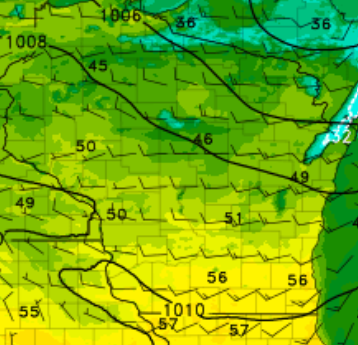
MADISON, Wis. (CIVIC MEDIA) – As Wisconsin soars to feeling like Spring this Thursday, records will be broken in many parts of the state, signifying a changing climate.
January 30th CURRENT RECORD HIGHS:
- Madison: 47 in 1974
- Milwaukee: 53 in 1988
- Green Bay: 42 in 1989
- Wausau: 43 in 1999
- Hayward: 43 in 2016
- Eau Claire: 50 in 1896
- LaCrosse: 48 in 1931
Temperatures are expected to climb to the upper 40s north to mid 50s south. For the end of January this is about 30 degrees above normal. So it’s no surprise to hear that our Wisconsin winters have been getting shorter.
A recent study says we are losing an average of 14 days of winter conditions each decade, since 1995. All due to rising air temperatures and climate change.
The study published in Environmental Research Letters also found that the Great Lakes Region has seen the steepest increase in average winter temperatures over the last 50 years. And the great lakes are losing ice cover at a rate of about 5 percent each decade, for a total loss of 25 percent between 1973 and 2023.
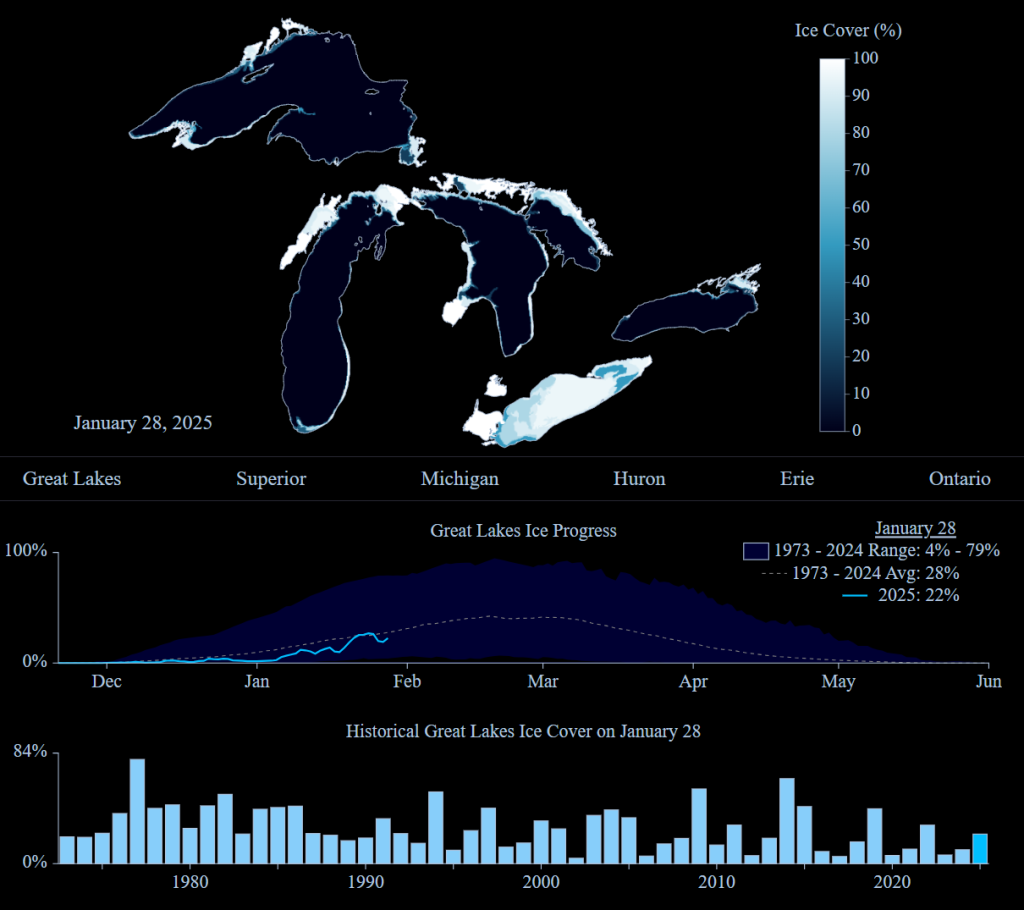
Winter days on the lakes were defined as days with ice cover or having surface temperatures of less than 35 degrees. The loss of winter days was found over nearly the entire area of lakes Superior, Huron and Erie. In lakes Michigan and Ontario, the loss of winter days was primarily along the shorelines and bays. Continued changes could affect the ecosystem of the lakes.

Brittney Merlot is Civic Media’s Meteorologist. Email her at [email protected].
Want More Local News?

Civic Media
Civic Media Inc.
The Civic Media App
Put us in your pocket.