

May 2, 2024, 4:22 AM CT


Share
GREEN BAY, WI – (WISS and WGBW) – Many municipalities and areas have embraced “No Mow May” as a way to encourage growth of food for pollinators coming out of hibernation. However, many people don’t like the concept because they prefer a well-manicured lawn. This is where “Slow Mow May” comes in!
“Just remember that bees and pollinators need our habitats and our yards. Our yards are part of the environment. We’re not separate from it. So we should be thinking about our yards. Not just in May, but we should be thinking about it all year round,” said Julie Mazzoleni with the Brown County Beekeepers Association.
No Mow May
Wayne Steigelmann, a beekeeper with A-Frame Acres, says new science shows that mowing less frequently and putting your mower at a higher setting will allow food sources for pollinators without yards getting too tall.
“We’re changing the verbiage because some of the science behind it has been retracted,” said Steiglemann.
But, he says it is still important to provide food and habitat for the pollinators. He and Mazzoleni say habitat loss is the primary reason for declining insect and pollinator populations.
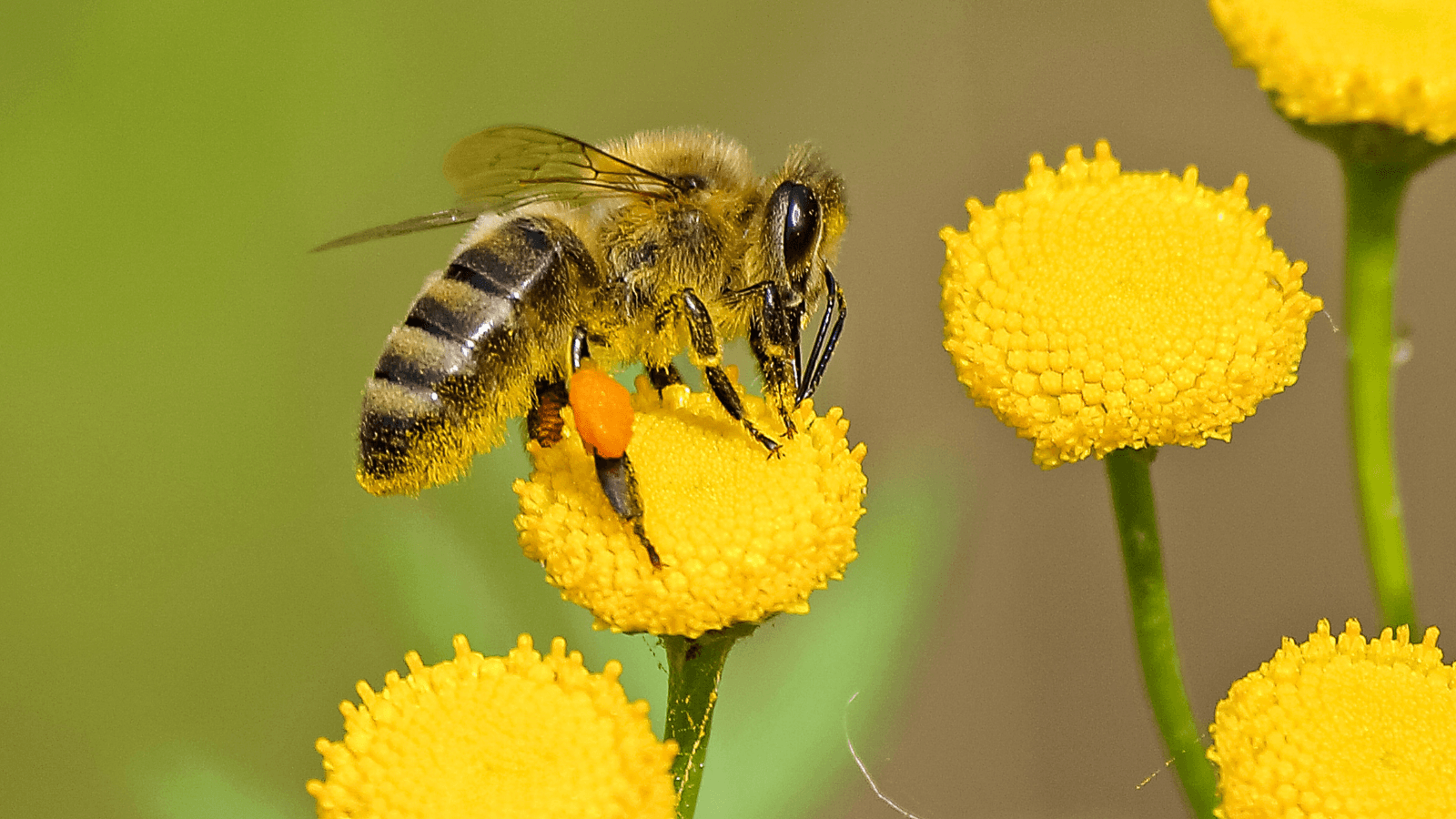
Pollinators like native bees, moths, butterflies, wasps, beetles, and even ants are coming out of hibernation and using our landscapes as habitat. “No Mow May” started as a way to help these pollinators find food.
“No Mow May is really well-intended because we want to remember that our pollinators need early-blooming flowers,” said Mazzoleni. “So, by cutting down and removing all the dandelions, we’re removing food for them; pollen and nectar.”
Slow Mow May
Now, environmentalists and beekeepers are asking people to plant native plants to provide a sustainable habitat.
“You can still cut your lawn,” says Steiglemann. “But throughout the whole year, plant native plants, decorative plants, if you want. Early blooming, mid blooming, late blooming, so that way the pollinators have something to feed on year long.”
Mazzoleni said that many of the native pollinators evolved over millions of years with specific native plants.
“Many, many of our pollinators are specialized on specific plants. You have that plant in your yard; you’re going to have that pollinator in your yard,” said Mazzoleni.
Mindful Spring cleanup
Steigelmann says being mindful when doing Spring yard cleanup can go a long way toward helping the pollinators thrive.
“Where most pollinators, I think, 80 percent of them, hibernate underground. Either a newly mated queen or they lay their eggs and young underground,” said Steigelmann. “That’s why in May we have to be careful in how we cleanup to protect them.”
Some things to be mindful of during Spring cleanups to help pollinators thrive are as follows:
- Don’t clean up too early: wait until there is a steady temperature of 50 degrees before cleaning up debris as insects and other wildlife are still hibernating.
- Leave the leaves: leaves provide habitat to pollinators that overwinter in the ground.
- Don’t cut stems and stalks: Some native bees hibernate in stems and stalks.
- Turn off outdoor lighting at night: too much outdoor lighting disrupts the night-time ecosystem and habitats for pollinators.
- Avoid using pesticides.
- Plant for the pollinators: choose native blooming plants to provide a food source for pollinators.
- Provide water: bees and other insects need water to thrive.
For more information about Slow Mow May visit the Brown County Beekeepers Association’s website and blogs.

Lisa Hale is Northeast Wisconsin Bureau Chief and the voice of newscasts on WISS. Email her at lisa.hale@civicmedia.us.
Want More Local News?

Civic Media
Civic Media Inc.
The Civic Media App
Put us in your pocket.